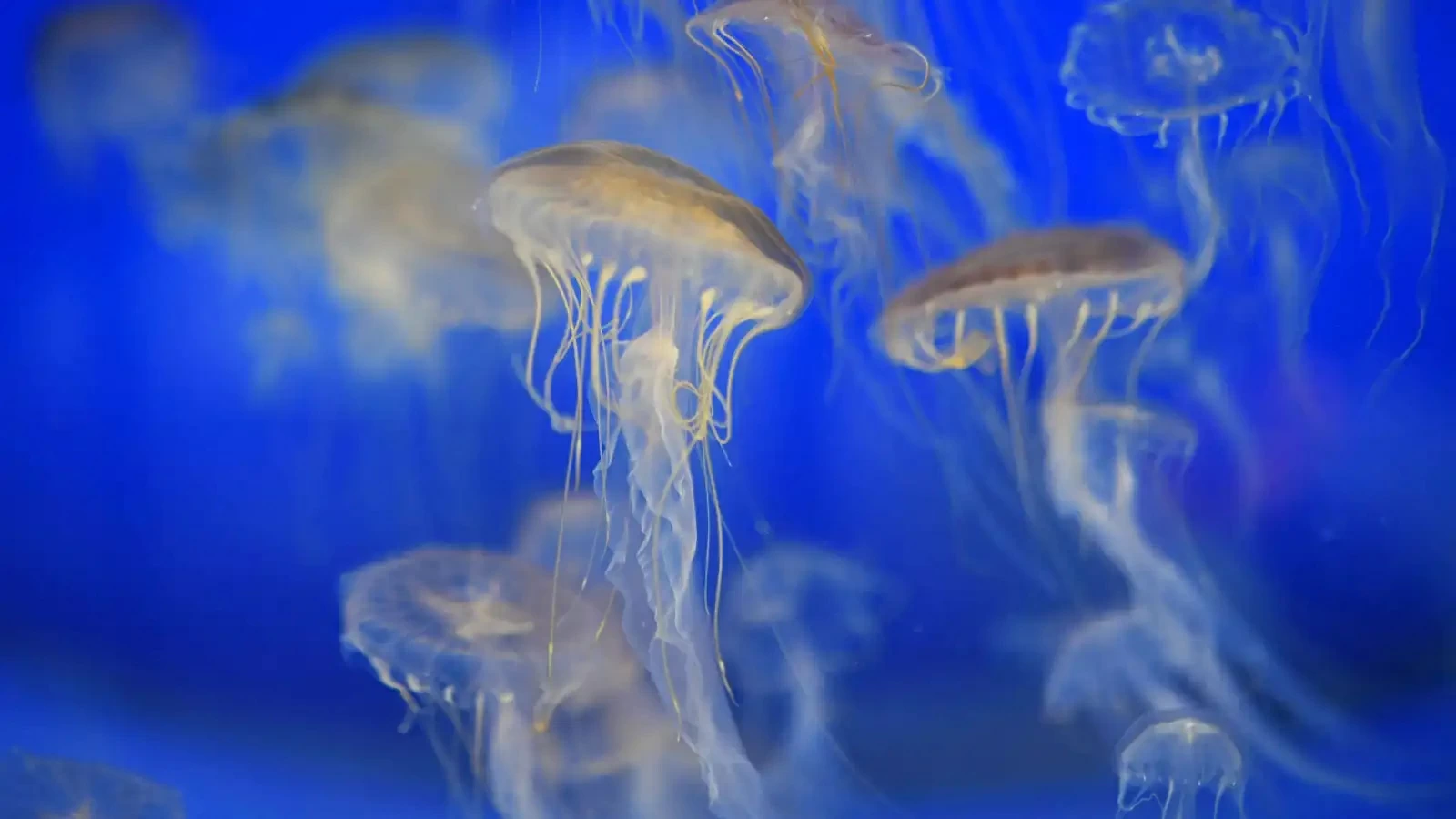
لم تكن الحرارة المرتفعة أو الجفاف هذه المرة السبب في اضطراب أحد أكبر مواقع إنتاج الكهرباء في فرنسا، بل كان السبب أسراباً من قناديل البحر وصلت إلى منظومة التبريد وأعاقت عمل مضخات مياه البحر.
وأعلنت شركة الكهرباء الفرنسية «إي دي إف»، الثلاثاء، توقف ثلاثة مفاعلات في محطة غرافلين النووية شمال البلاد، بعدما تسببت قناديل البحر في انسداد مضخات تستخدم لتبريد المفاعلات. كما خُفض إنتاج مفاعل رابع إلى النصف، فيما واصل مفاعل خامس العمل بكامل طاقته، بينما كان المفاعل السادس متوقفاً مسبقاً لإجراء أعمال صيانة مجدولة.
وأكدت الشركة أن هذا الوضع لا يشكل خطراً على سلامة المنشآت أو العاملين أو البيئة.
وتقع محطة غرافلين قرب مدينة دونكيرك، وتعد من أكبر محطات الطاقة النووية في أوروبا الغربية، وتضم ستة مفاعلات تبلغ قدرة كل منها 900 ميغاواط.
وجاء توقف المفاعلات في وقت يواجه إنتاج الطاقة النووية في فرنسا ضغوطاً متزايدة بسبب موجات الحر والجفاف التي شهدتها البلاد هذا العام. وكانت «إي دي إف» قد أوقفت عدداً من المفاعلات خلال يونيو ويوليو نتيجة ارتفاع درجات الحرارة، فيما أظهرت بيانات الشركة أن إنتاج الطاقة النووية كان أقل بنحو 15.6% من مستواه المعتاد الأحد، وفق حسابات وكالة «فرانس برس».
وليست هذه المرة الأولى التي تتسبب فيها قناديل البحر في تعطيل محطة غرافلين، إذ شهدت المحطة حادثة مماثلة العام الماضي أدت إلى توقفها مؤقتاً بعدما سدت أسراب منها أنظمة ضخ مياه البحر.
وسجلت محطات نووية في دول أخرى حوادث مشابهة؛ ففي السويد أدى تجمع قناديل البحر إلى إغلاق محطة نووية لمدة ثلاثة أيام عام 2013، بينما تسبب حادث مماثل في اليابان عام 1999 في انخفاض كبير في إنتاج إحدى المحطات.
ويربط خبراء انتشار قناديل البحر بعدة عوامل بيئية، من بينها الصيد الجائر والتلوث البلاستيكي وارتفاع حرارة مياه البحار نتيجة التغير المناخي، وهي ظروف يمكن أن تساعد على تكاثرها وازدهارها.
وبينما تبدو الحادثة غير مألوفة، فإنها تسلط الضوء على أحد التحديات غير المتوقعة التي يمكن أن تواجه المنشآت الساحلية، خصوصاً محطات الطاقة التي تعتمد على مياه البحر في أنظمة التبريد.
The high temperatures or drought were not the reason this time for the disruption of one of the largest electricity production sites in France; rather, it was swarms of jellyfish that reached the cooling system and hindered the operation of the seawater pumps.
The French electricity company "EDF" announced on Tuesday the shutdown of three reactors at the Gravelines nuclear power plant in the north of the country, after jellyfish caused blockages in the pumps used to cool the reactors. The production of a fourth reactor was also reduced by half, while a fifth reactor continued to operate at full capacity, and the sixth reactor was already shut down for scheduled maintenance.
The company confirmed that this situation does not pose a danger to the safety of the facilities, workers, or the environment.
The Gravelines plant is located near the city of Dunkirk and is one of the largest nuclear power stations in Western Europe, comprising six reactors, each with a capacity of 900 megawatts.
The shutdown of the reactors comes at a time when nuclear power production in France is facing increasing pressures due to the heatwaves and drought that the country has experienced this year. EDF had previously shut down several reactors in June and July due to rising temperatures, while the company's data showed that nuclear power production was about 15.6% lower than its usual level on Sunday, according to calculations by the AFP agency.
This is not the first time jellyfish have caused disruptions at the Gravelines plant, as the facility experienced a similar incident last year that led to a temporary shutdown after swarms blocked the seawater pumping systems.
Nuclear plants in other countries have recorded similar incidents; in Sweden, a jellyfish bloom led to the closure of a nuclear plant for three days in 2013, while a similar incident in Japan in 1999 caused a significant drop in production at one of the plants.
Experts link the spread of jellyfish to several environmental factors, including overfishing, plastic pollution, and rising sea temperatures due to climate change, conditions that can help them proliferate and thrive.
While the incident may seem unusual, it highlights one of the unexpected challenges that coastal facilities, particularly power plants that rely on seawater for cooling systems, may face.