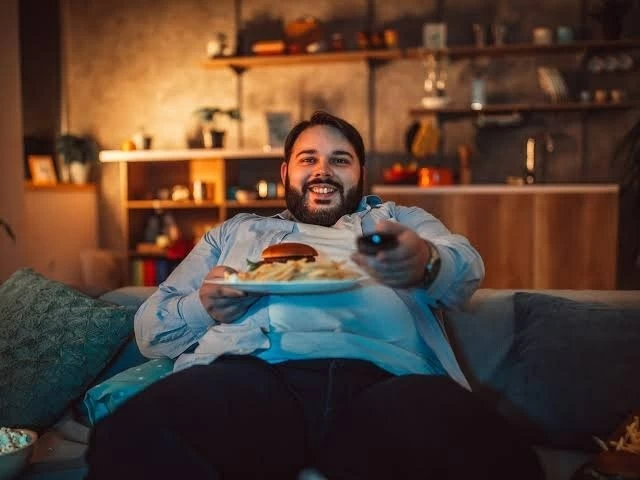
لا تتعلق الصحة بما نضعه في أطباقنا فقط، بل قد يكون للوقت الذي نتناول فيه الطعام دور لا يقل أهمية في كيفية تعامل الجسم معه، حيث تشير مجموعة متزايدة من الأبحاث العلمية إلى أن الساعة البيولوجية الداخلية للإنسان تؤثر بصورة مباشرة في الشهية والهضم ومستويات السكر في الدم وطريقة تخزين الدهون، بل وقد ترتبط بخطر الإصابة بالسمنة وأمراض القلب والسكري من النوع الثاني، بحسب شبكة BBC.
ويُعرف هذا المجال العلمي الناشئ باسم «التغذية الزمنية» (Chrononutrition)، وهو يدرس العلاقة بين توقيت تناول الطعام وإيقاع الجسم اليومي، أو ما يعرف بـ«الإيقاع اليوماوي».
ففي إسبانيا، تبدو هذه الفكرة حاضرة منذ سنوات في العادات الغذائية التقليدية، حيث يُعد الغداء الوجبة الأكبر في اليوم، بينما يكون العشاء خفيفاً، وأحياناً يقتصر على الفاكهة والزبادي، أما في بريطانيا والولايات المتحدة، فمن الشائع تناول غداء خفيف ثم وجبة أكبر في المساء.
لكن الأبحاث الحديثة تشير إلى أن هذا النمط قد لا يكون الأفضل للجسم.
الغداء المبكر قد يساعد على فقدان الوزن
بدأ اهتمام الباحثة الإسبانية مارتا غاراوليت، من جامعة مورسيا، بتوقيت الوجبات بعدما لاحظت اختلافاً لافتاً بين مريضين في عيادتها لإنقاص الوزن.
كان الشخصان يعيشان معاً ويتبعان النظام الغذائي نفسه، لكن أحدهما كان يتناول الغداء نحو الساعة الواحدة ظهراً، بينما كان الآخر يؤخر وجبته بسبب جدول الدراسة، وبعد 6 أسابيع، فقد الشخص الذي تناول الغداء في وقت أبكر وزناً أكبر بكثير.
دفعت هذه الملاحظة غاراوليت إلى دراسة العلاقة بين توقيت الوجبات وفقدان الوزن بصورة أوسع.
وفي دراسة شملت 420 بالغاً في إسبانيا شاركوا في برنامج موحد لإنقاص الوزن على مدار 20 أسبوعاً، وجد الباحثون أن الأشخاص الذين تناولوا الغداء في وقت مبكر فقدوا وزناً أكبر وبسرعة أعلى مقارنة بمن تناولوا وجبتهم الرئيسية في وقت متأخر.
وأظهرت تجربة عشوائية صغيرة أخرى شملت 32 امرأة سليمة أن تناول الغداء في وقت متأخر ارتبط بضعف التحكم في مستوى السكر في الدم وانخفاض قدرة الجسم على حرق الكربوهيدرات، رغم أن المشاركات تناولن الوجبات نفسها.
لماذا يؤثر الوقت في طريقة تعامل الجسم مع الطعام؟
ويوضح أستاذ الطب وعالم الأعصاب في مستشفى بريغهام والنساء في بوسطن الدكتور فرانك شير أن الإنسان «ليس الشخص البيولوجي نفسه صباحاً ومساءً».
فالساعة الداخلية للجسم تنظم تقريباً جميع جوانب وظائفنا الحيوية، ولذلك فإن تناول الطعام في وقت يكون فيه الجسم مهيأً للنوم قد يؤدي إلى حالة من عدم التوافق بين الساعة البيولوجية والسلوك الغذائي، ويظهر هذا التأثير بوضوح في طريقة تعامل الجسم مع سكر الدم.
وفي دراسة أجريت عام 2022 وشملت أكثر من 800 شخص، تناول المشاركون مشروباً يحتوي على الغلوكوز يحاكي كمية الكربوهيدرات الموجودة في وجبة عشاء نموذجية.
وأظهرت النتائج أن أجسامهم تعاملت مع الغلوكوز بكفاءة أقل عندما تناولوه قبل النوم بساعة، مقارنة بتناوله قبل النوم بـ4 ساعات.
كما سجل الذين تناولوا المشروب قرب موعد النوم مستويات أعلى من سكر الدم وإفرازاً أقل للإنسولين، وهو الهرمون المسؤول عن المساعدة في تنظيم مستويات السكر.
ويرجح الباحثون أن هرمون الميلاتونين، الذي ترتفع مستوياته مع استعداد الجسم للنوم، يلعب دوراً مهماً في هذه العملية.
ويقول شير إن تناول الطعام في المساء عندما تكون مستويات الميلاتونين مرتفعة يمكن أن يؤدي إلى تراجع قدرة الجسم على التحكم في الغلوكوز، وقد يكون التأثير أكبر لدى الأشخاص الذين يحملون متغيراً شائعاً في جين MTNR1B المرتبط بزيادة خطر الإصابة بالسكري من النوع الثاني.
العشاء المتأخر قد يزيد الشعور بالجوع
ولا تقتصر آثار توقيت الطعام على مستويات السكر في الدم، فقد وجدت أبحاث أن تناول الطعام في وقت متأخر يمكن أن يجعل الشخص أكثر شعوراً بالجوع في اليوم التالي، نتيجة تأثيره في الهرمونات المسؤولة عن تنظيم الشهية والشبع.
ويؤدي تناول الطعام المتأخر إلى انخفاض مستويات هرمون اللبتين، الذي يرسل إشارات إلى الدماغ تفيد بالشعور بالشبع.
كما يمكن لتوقيت الوجبات أن يؤثر في طريقة تخزين الدهون، فبدلاً من تفكيك الدهون واستخدامها كمصدر للطاقة، قد يؤدي تناول الطعام في وقت متأخر إلى دفع الخلايا نحو تخزين المزيد منها، الأمر الذي قد يجعل الحفاظ على وزن صحي أكثر صعوبة مع مرور الوقت.
وقد تكون هذه المسألة أكثر أهمية لدى الأشخاص الذين يحملون عوامل وراثية تزيد استعدادهم لزيادة الوزن، ففي دراسة شملت نحو 1200 شخص، ارتبط تناول الطعام في وقت متأخر بارتفاع مؤشر كتلة الجسم لدى الأشخاص الأكثر عرضة وراثياً للسمنة، بينما ساهم تناول الطعام في وقت أبكر في تقليل هذا الارتباط.
الإفطار المبكر والغداء الأكبر قد يفيدان القلب
ولا يبدو أن تقديم مواعيد الطعام يرتبط بالوزن والسكر فقط، إذ قد تكون له فوائد أيضاً لصحة القلب.
وفي دراسة شملت أكثر من 100 ألف شخص في فرنسا، وجد الباحثون أن الأشخاص الذين تناولوا وجبة الإفطار في وقت متأخر كانوا أكثر عرضة للإصابة بأمراض القلب والأوعية الدموية.
كما ارتبطت إطالة فترة الصيام خلال الليل، من خلال تناول العشاء في وقت أبكر بدلاً من تأخير وجبة الإفطار، بصحة أفضل للقلب.
وقد يكون توقيت الطعام مهماً بشكل خاص للعاملين بنظام الورديات وغيرهم ممن يتعرضون لاضطراب الساعة البيولوجية.
وبالنسبة إلى العاملين ليلاً، قد يكون من المفيد قدر الإمكان تقليل تناول الطعام خلال ساعات الليل والتركيز على النهار، مع ضرورة مراعاة طبيعة العمل والاحتياجات الفردية؛ فبعض العاملين، مثل أفراد الطواقم الطبية، قد يحتاجون إلى تناول الطعام ليلاً للحفاظ على مستويات الطاقة.
«طائر صباح» أم «بومة ليلية»؟
لا يستطيع الإنسان دائماً التحكم بشكل كامل في مواعيد طعامه، إذ تلعب طبيعته البيولوجية دوراً في ذلك.
ويشير العلماء إلى اختلاف ما يسمى «النمط الزمني» (Chronotype)؛ فبعض الأشخاص يميلون بطبيعتهم إلى النشاط والاستيقاظ المبكر، بينما يفضل آخرون السهر والنشاط في ساعات الليل.
وتقول جيوفانا موسكوغيوري، الأستاذة المساعدة في جامعة نابولي فيديريكو الثاني بإيطاليا، إن الأشخاص الذين يميلون إلى الاستيقاظ مبكراً يكونون أكثر ميلاً إلى اتباع النظام الغذائي المتوسطي، بينما يميل الأشخاص الذين يفضلون السهر إلى تأخير وجباتهم وتناول أطعمة أعلى في السعرات الحرارية خلال ساعات متأخرة.
كما تختلف استجابة الجسم للطعام بحسب النمط الزمني؛ إذ يميل الأشخاص الصباحيون إلى الوصول إلى ذروة حساسية الإنسولين في وقت أبكر، وكذلك إفراز الميلاتونين في وقت أبكر من الأشخاص الليليين.
ومن ثم، قد يكون الأشخاص الذين يميلون إلى تناول الطعام في وقت متأخر أكثر عرضة لاضطراب التحكم في سكر الدم وزيادة الوزن.
النوم جزء من المعادلة
ولا يمكن فصل توقيت الطعام عن النوم. فمدة النوم وجودته تؤثران بدورهما في الشهية والرغبة في تناول الطعام.
وتشير موسكوغيوري إلى أن الحرمان من النوم قد يدفع الإنسان إلى الإفراط في تناول الطعام واختيار أطعمة غنية بالطاقة، وهو ما قد يؤدي إلى زيادة الوزن مع مرور الوقت.
كيف نضبط مواعيد وجباتنا؟
قد تبدو النصائح العملية بسيطة نسبياً، إذ يمكن البدء بتناول الوجبات في أوقات منتظمة، مع التركيز على الأطعمة الغنية بالألياف والكربوهيدرات الصحية، مثل الحبوب الكاملة والبقوليات والفواكه، في وقت مبكر من اليوم عندما يكون الجسم أكثر قدرة على التعامل معها.
أما في المساء، فمن الأفضل اختيار وجبة أخف، ويفضل أن تكون غنية بالبروتين.
كما تشير مراجعات علمية حديثة إلى إمكانية تضمين بعض الأطعمة التي قد تساعد على دعم النوم في وجبة المساء، مثل المكسرات والبذور، إلى جانب مصادر البروتين الغنية بالتريبتوفان، مثل الدجاج والسلمون والتونة، إذ يرتبط هذا الحمض الأميني بتحسين جودة النوم.
أفضل وقت لتناول العشاء
بحسب الخبراء، لا توجد ساعة واحدة يمكن اعتبارها «الوقت المثالي» لتناول العشاء بالنسبة إلى الجميع، لأن مواعيد العمل والنوم والنمط الزمني تختلف من شخص إلى آخر، لكن القاعدة العامة التي تدعمها الأدلة الحالية هي أن يكون أكبر قدر من الطعام في وقت أبكر من اليوم، مع تناول عشاء أخف، ويفضل أن يكون ذلك قبل موعد النوم بـ3 ساعات على الأقل.
Health is not only about what we put on our plates, but the timing of our meals may play an equally important role in how the body processes food. A growing body of scientific research indicates that the human internal biological clock directly affects appetite, digestion, blood sugar levels, and fat storage, and may even be linked to the risk of obesity, heart disease, and type 2 diabetes, according to BBC.
This emerging scientific field is known as "Chrononutrition," which studies the relationship between meal timing and the body's daily rhythm, or what is known as the "circadian rhythm."
In Spain, this idea has been present for years in traditional eating habits, where lunch is the largest meal of the day, while dinner is light, sometimes consisting only of fruit and yogurt. In contrast, in the UK and the US, it is common to have a light lunch followed by a larger meal in the evening.
However, recent research suggests that this pattern may not be the best for the body.
Early Lunch May Aid Weight Loss
The interest of Spanish researcher Marta Garaulet from the University of Murcia in meal timing began when she noticed a striking difference between two patients in her weight loss clinic.
Both individuals lived together and followed the same diet, but one had lunch around 1 PM, while the other delayed his meal due to his study schedule. After 6 weeks, the person who had lunch earlier lost significantly more weight.
This observation prompted Garaulet to study the relationship between meal timing and weight loss more broadly.
In a study involving 420 adults in Spain who participated in a unified weight loss program over 20 weeks, researchers found that those who had lunch earlier lost more weight and did so more quickly compared to those who had their main meal later.
Another small randomized trial involving 32 healthy women showed that late lunch was associated with poorer blood sugar control and reduced ability to burn carbohydrates, even though the participants consumed the same meals.
Why Does Timing Affect How the Body Handles Food?
Dr. Frank Scheer, a professor of medicine and neuroscientist at Brigham and Women's Hospital in Boston, explains that humans "are not the same biological person in the morning and evening."
The body's internal clock regulates nearly all aspects of our vital functions, and therefore, eating at a time when the body is geared for sleep may lead to a mismatch between the biological clock and eating behavior. This effect is particularly evident in how the body handles blood sugar.
In a study conducted in 2022 involving over 800 people, participants consumed a glucose drink that mimicked the amount of carbohydrates in a typical dinner.
The results showed that their bodies handled glucose less efficiently when consumed an hour before bedtime compared to four hours before.
Those who consumed the drink close to bedtime recorded higher blood sugar levels and lower insulin secretion, the hormone responsible for helping regulate blood sugar levels.
Researchers suggest that melatonin, which rises as the body prepares for sleep, plays an important role in this process.
Scheer states that eating in the evening when melatonin levels are high can reduce the body's ability to control glucose, and the effect may be greater in individuals carrying a common variant of the MTNR1B gene associated with an increased risk of type 2 diabetes.
Late Dinner May Increase Hunger
The effects of meal timing are not limited to blood sugar levels; research has found that eating late can make a person feel hungrier the next day due to its impact on hormones responsible for regulating appetite and satiety.
Late eating leads to lower levels of leptin, which sends signals to the brain indicating fullness.
Meal timing can also affect how fat is stored; instead of breaking down fat and using it as an energy source, eating late may push cells to store more fat, making it harder to maintain a healthy weight over time.
This issue may be more significant for individuals with genetic factors that increase their predisposition to weight gain. In a study involving about 1,200 people, late eating was associated with a higher body mass index in those genetically predisposed to obesity, while earlier eating helped reduce this association.
Early Breakfast and Larger Lunch May Benefit the Heart
It seems that advancing meal times is not only related to weight and sugar but may also have benefits for heart health.
In a study involving over 100,000 people in France, researchers found that individuals who had a late breakfast were more likely to suffer from cardiovascular diseases.
Additionally, extending the fasting period overnight by having dinner earlier rather than delaying breakfast was linked to better heart health.
Meal timing may be particularly important for shift workers and others who experience disruptions to their biological clock.
For night workers, it may be beneficial to minimize food intake during the night and focus on daytime eating, while considering the nature of their work and individual needs; some workers, such as medical staff, may need to eat at night to maintain energy levels.
"Morning Lark" or "Night Owl"?
Humans cannot always fully control their meal timings, as their biological nature plays a role in this.
Scientists point to differences in what is called "chronotype"; some people are naturally inclined to be active and wake up early, while others prefer to stay up late and be active during the night.
Giovanna Moscogiuri, an assistant professor at the University of Naples Federico II in Italy, states that early risers tend to be more likely to follow a Mediterranean diet, while night owls tend to delay their meals and consume higher-calorie foods during late hours.
The body's response to food also varies by chronotype; morning people tend to reach peak insulin sensitivity earlier, as well as melatonin secretion, compared to night owls.
Thus, those who tend to eat late may be more susceptible to disrupted blood sugar control and weight gain.
Sleep is Part of the Equation
Meal timing cannot be separated from sleep. The duration and quality of sleep also affect appetite and food cravings.
Moscogiuri points out that sleep deprivation may lead individuals to overeat and choose energy-dense foods, which can lead to weight gain over time.
How Can We Adjust Our Meal Times?
Practical advice may seem relatively simple; one can start by having meals at regular times, focusing on foods rich in fiber and healthy carbohydrates, such as whole grains, legumes, and fruits, earlier in the day when the body is better able to handle them.
In the evening, it is better to choose a lighter meal, preferably rich in protein.
Recent scientific reviews also suggest including some foods that may help support sleep in the evening meal, such as nuts and seeds, along with protein sources rich in tryptophan, such as chicken, salmon, and tuna, as this amino acid is associated with improved sleep quality.
The Best Time to Have Dinner
According to experts, there is no single hour that can be considered the "ideal time" for everyone to have dinner, as work, sleep, and chronotype schedules vary from person to person. However, the general rule supported by current evidence is to have the largest amount of food earlier in the day, with a lighter dinner, preferably at least 3 hours before bedtime.