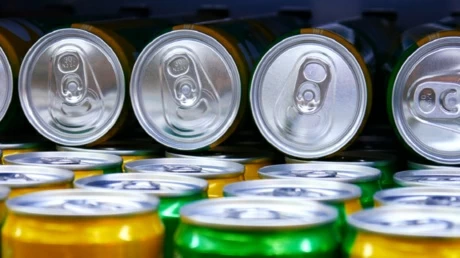
تحذّر أخصائية طب الأعصاب الدكتورة يكاترينا ديميانوفسكايا، من أن تناول مشروبات الطاقة في الطقس الحار قد يشكّل خطرًا مباشرًا على صحة القلب والأوعية الدموية، خصوصًا لدى الأشخاص الذين يعانون من زيادة الوزن أو أمراض مزمنة.
وتوضح الأخصائية أن علبة واحدة من مشروبات الطاقة في درجات الحرارة المرتفعة قد تسبب تسارع ضربات القلب وارتفاعًا ملحوظًا في ضغط الدم حتى لدى الأشخاص الأصحاء.
وتشير الطبيبة إلى أن بعض الفئات أكثر عرضة للمضاعفات؛ مثل المصابين بارتفاع ضغط الدم، وأمراض القلب التاجية، واضطرابات النظم، إضافة إلى الأطفال والمراهقين الذين تكون أجسامهم وعمليات الأيض لديهم أقل استقرارًا، كما أن القلب والأوعية لديهم أكثر حساسية للمنبهات. وتشمل الفئات المحظور عليها تناول مشروبات الطاقة أيضًا النساء الحوامل والمرضعات، ومرضى السكري، والأشخاص الذين يعانون من السمنة، ومن يتناولون مضادات الاكتئاب أو أدوية خفض الضغط أو بعض المضادات الحيوية.
وتوضح ديميانوفسكايا أن المكونات النشطة في مشروبات الطاقة؛ وعلى رأسها الكافيين والسكر، تمنح دفعة سريعة من النشاط، لكنها قد تتحول في الحر إلى عبء خطير على القلب؛ فالكافيين يحفّز الجهاز العصبي المركزي، ويرفع ضغط الدم، ويزيد سرعة ضربات القلب. وفي الطقس الحار، يعمل القلب بالفعل تحت ضغط إضافي بسبب توسّع الأوعية السطحية لتبديد الحرارة، ما يجعل تأثير الكافيين مضاعفًا وقد يؤدي إلى اضطرابات في النظم وارتفاع حاد في الضغط.
وتضيف أن "الجفاف يمثل خطرًا آخر، إذ يعمل الكافيين كمدرّ للبول، وفي ظل فقدان الجسم كميات كبيرة من السوائل عبر التعرُّق، قد يؤدي ذلك إلى زيادة خطر الجفاف وفقدان الشوارد الأساسية مثل البوتاسيوم والمغنيسيوم، ما يضعف وظائف القلب ويرفع احتمالات تجلط الدم".
وتحذّر الطبيبة أيضًا من الجمع بين الكحول ومشروبات الطاقة، لأن الكافيين قد يخفي بعض آثار الكحول ويجعل الشخص غير مدرك لدرجة الثمالة الفعلية، ما يزيد مخاطر السلوكيات الخطرة، ويرفع احتمالات الجفاف والإجهاد الحراري وربما الإصابة بضربة الشمس.
وتؤكد أن مشروبات الطاقة في الطقس الحار قد تتحول من وسيلة لتنشيط الجسم إلى عامل يهدد القلب والأوعية، وأن تجنبها في الظروف المناخية القاسية يعد خطوة أساسية للحفاظ على الصحة، خصوصًا لدى الفئات الأكثر عرضة للمضاعفات.
Neurologist Dr. Yekaterina Demyanovskaya warns that consuming energy drinks in hot weather can pose a direct risk to cardiovascular health, especially for individuals who are overweight or have chronic diseases.
The specialist explains that a single can of energy drinks at high temperatures can cause an increased heart rate and a noticeable rise in blood pressure even in healthy individuals.
The doctor points out that certain groups are more susceptible to complications, such as those with high blood pressure, coronary heart disease, and arrhythmias, in addition to children and adolescents whose bodies and metabolic processes are less stable, making their hearts and blood vessels more sensitive to stimulants. The groups prohibited from consuming energy drinks also include pregnant and breastfeeding women, diabetes patients, individuals suffering from obesity, and those taking antidepressants, blood pressure medications, or certain antibiotics.
Demyanovskaya clarifies that the active ingredients in energy drinks, primarily caffeine and sugar, provide a quick boost of energy, but in the heat, they can become a serious burden on the heart; caffeine stimulates the central nervous system, raises blood pressure, and increases heart rate. In hot weather, the heart is already under additional stress due to the dilation of surface blood vessels to dissipate heat, which amplifies the effects of caffeine and may lead to arrhythmias and a sharp increase in blood pressure.
She adds that "dehydration poses another risk, as caffeine acts as a diuretic, and with the body losing large amounts of fluids through sweating, this can increase the risk of dehydration and loss of essential electrolytes like potassium and magnesium, weakening heart functions and raising the chances of blood clotting."
The doctor also warns against mixing alcohol with energy drinks, as caffeine may mask some effects of alcohol and make a person unaware of their actual level of intoxication, increasing the risks of dangerous behaviors and raising the chances of dehydration, heat stress, and possibly heat stroke.
She emphasizes that energy drinks in hot weather can shift from a means of energizing the body to a factor threatening the heart and blood vessels, and avoiding them in extreme weather conditions is a crucial step to maintaining health, especially for those at higher risk of complications.