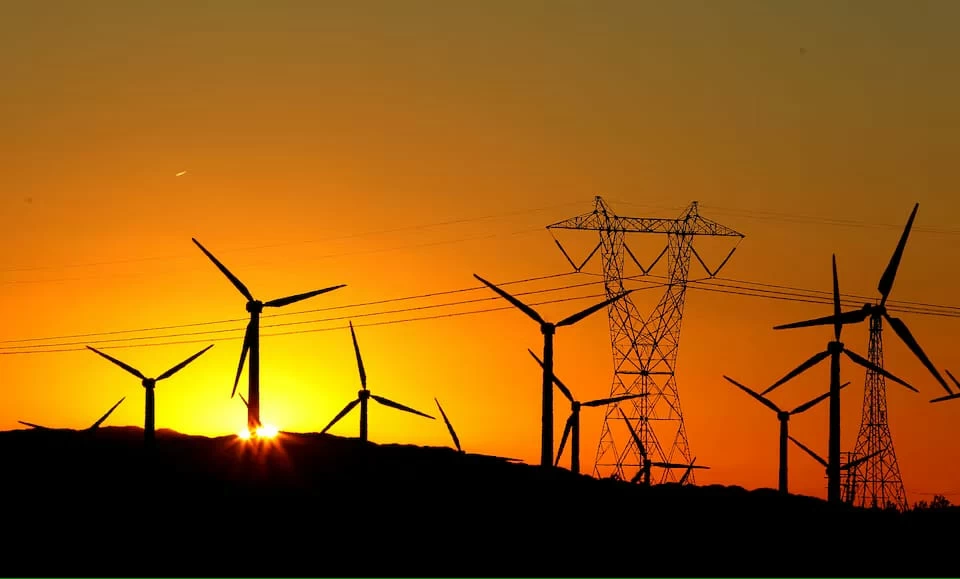
وجّه قاضٍ اتحادي أمريكي ضربة جديدة إلى إدارة الرئيس دونالد ترمب، بعدما أمر وزارة الدفاع الأمريكية (البنتاغون) برفع التجميد المفروض على مراجعة مشاريع طاقة الرياح البرية المقترحة، في قرار يعيد هذه المشاريع إلى مسار التقييم التنظيمي بعد أشهر من التوقف.
وأصدرت قاضية المحكمة الجزئية الأمريكية كارين إيمرجوت، في مدينة بورتلاند بولاية أوريجون، الخميس، أمرًا قضائيًا أوليًا لصالح عدد من جماعات الطاقة المتجددة، التي قالت إن قرار وزارة الدفاع أدى عمليًا إلى «توقف تام» لتطوير مشاريع طاقة الرياح في الولايات المتحدة.
ويُعد القرار انتكاسة لإدارة ترمب، الذي أعلن مرارًا معارضته لطاقة الرياح، وانتقد توربيناتها باعتبارها قبيحة ومكلفة وغير فعالة، في الوقت الذي يفضل فيه التوسع في استخدام مصادر الوقود الأحفوري، وعلى رأسها النفط والغاز.
«البنتاغون» يبرر مراجعة مشاريع الرياح
من جانبها، قالت وزارة الدفاع الأمريكية إنها لا تعلق على الدعاوى القضائية الجارية، لكنها أوضحت أنها تواصل تقييم مشاريع طاقة الرياح البرية للتأكد من عدم تأثيرها على الأمن القومي أو العمليات العسكرية، وذلك وفقًا للمتطلبات القانونية والتنظيمية المعمول بها.
وتتعلق مراجعات البنتاغون بالتأكد من أن مشاريع توربينات الرياح لا تتسبب في مشكلات مرتبطة بأنظمة الرادار أو المجال الجوي، إلى جانب مخاوف تتعلق بالتكنولوجيا، بما في ذلك الأمن السيبراني وأنظمة الاتصالات.
وتخضع مشاريع طاقة الرياح لهذه المراجعات بسبب احتمال تأثير بعض المنشآت والتوربينات على الأنظمة العسكرية أو عمليات المراقبة والاستشعار، خصوصًا في المناطق القريبة من المنشآت والقواعد العسكرية.
لماذا جمّد «البنتاغون» المراجعات؟
وبحسب الدعوى القضائية، كان نظام مراجعة مشاريع طاقة الرياح قائمًا بصورة يمكن التنبؤ بها منذ إنشائه عام 2011، قبل أن تبدأ وزارة الدفاع في إبطاء عمليات المراجعة في أغسطس الماضي، وصولًا إلى وقفها بالكامل بحلول أوائل مايو.
واتهمت جماعات الطاقة المتجددة الوزارة بالتصرف بصورة تعسفية وغير قانونية، معتبرة أن التجميد أدى إلى تعطيل مشاريع جديدة وألحق خسائر مالية كبيرة بالشركات والمستثمرين.
وفي المقابل، طلبت وزارة الدفاع من المحكمة رفض الدعوى، مبررة قرارها بظهور تهديدات جديدة للأمن القومي تستدعي إعادة تقييم إجراءات مراجعة مشاريع طاقة الرياح.
وقالت الوزارة إن التجميد كان ضروريًا لحماية المصالح الأمريكية في ظل «مشهد عالمي دائم التطور» وتغير طبيعة التهديدات التي تواجه الولايات المتحدة.
القاضية: البنتاغون لا يستطيع اختيار القوانين
لكن القاضية كارين إيمرجوت، التي عيّنها ترمب نفسه، خلصت إلى أن جماعات الطاقة المتجددة من المرجح أن تثبت أن وزارة الدفاع انتهكت المواعيد القانونية والتنظيمية التي أقرها الكونغرس لإتمام مراجعات المشاريع.
وأكدت في قرارها، الذي جاء في 36 صفحة، أن الوزارة لا تملك صلاحية اختيار أجزاء من النظام القانوني تلتزم بها وأخرى تتجاهلها.
وكتبت القاضية أن وزارة الدفاع «لا تستطيع تكييف التشريع مع أهدافها السياسية من خلال إعادة صياغة نصوص قانونية واضحة».
ويعني القرار، في الوقت الحالي، أن «البنتاغون» ملزم باستئناف النظر في مشاريع طاقة الرياح البرية بدلًا من إبقائها معلقة إلى أجل غير مسمى.
خسائر بمليارات الدولارات
ولم تقتصر حيثيات المحكمة على الجانب القانوني، إذ رأت إيمرجوت أن جماعات الطاقة المتجددة قدمت أدلة كافية على تعرضها لأضرار لا يمكن تداركها، تقدر قيمتها بمليارات الدولارات.
وتشمل هذه الأضرار الإيرادات التي فقدتها الشركات نتيجة تأخير المشاريع، وارتفاع تكاليف التشغيل والاحتفاظ بالتمويل، فضلًا عن احتمال فقدان حوافز وائتمانات ضريبية مرتبطة بمشاريع الطاقة المتجددة.
18 ولاية تقاضي إدارة ترمب
ولا تقتصر المعركة القضائية بشأن تجميد مشاريع الرياح على جماعات الطاقة المتجددة، إذ رفعت أيضًا النيابات العامة الديموقراطية في 18 ولاية أمريكية، إلى جانب العاصمة واشنطن، دعاوى قضائية للطعن في قرار التجميد.
وتأتي هذه المواجهة في وقت تمثل فيه طاقة الرياح نحو 10% من إجمالي إنتاج الكهرباء في الولايات المتحدة، ما يجعل أي تغيير كبير في السياسة الحكومية تجاه هذا القطاع ذا تداعيات على شركات الطاقة والمستثمرين وخطط التحول في قطاع الكهرباء.
ويعكس النزاع القضائي صراعًا أوسع داخل الولايات المتحدة بشأن مستقبل الطاقة، بين إدارة ترمب التي تدفع باتجاه تعزيز الوقود الأحفوري وتقليص الدعم المقدم لمصادر الطاقة المتجددة، وبين الولايات والشركات والجماعات التي تسعى إلى استمرار الاستثمار في الطاقة النظيفة.
صراع ترمب مع طاقة الرياح
لطالما انتقد ترمب توربينات الرياح، ووصفها في مناسبات مختلفة بأنها مكلفة وغير فعالة، كما انتقد تأثيرها على المناظر الطبيعية ومصالح المجتمعات المحلية.
وتأتي المعركة الحالية ضمن سلسلة من التحركات التي اتخذتها إدارته لإعادة تشكيل سياسة الطاقة الأمريكية وتعزيز دور النفط والغاز ومصادر الوقود الأحفوري.
وفي المقابل، ترى صناعة الطاقة المتجددة أن مشاريع الرياح تمثل عنصرًا مهمًا في منظومة الكهرباء الأمريكية، وأن تعطيل عمليات الموافقة والمراجعة الحكومية يهدد استثمارات ضخمة وفرصًا اقتصادية في عدد من الولايات.
ويضع الحكم القضائي الأخير إدارة ترمب أمام تحدٍ جديد في ملف الطاقة، إذ جاء من قاضية عيّنها الرئيس نفسه، وألزم وزارة الدفاع بالعودة إلى مراجعة مشاريع طاقة الرياح، في وقت تواصل فيه الإدارة الدفع باتجاه تقليص دور الطاقة المتجددة وتعزيز الاعتماد على النفط والغاز.
A U.S. federal judge dealt another blow to President Donald Trump's administration after ordering the Department of Defense (the Pentagon) to lift the freeze imposed on the review of proposed onshore wind energy projects, in a decision that returns these projects to the regulatory evaluation process after months of stagnation.
U.S. District Judge Karen Immigurt, in Portland, Oregon, issued a preliminary injunction on Thursday in favor of several renewable energy groups, which stated that the Pentagon's decision effectively led to a "complete halt" in the development of wind energy projects in the United States.
The decision is a setback for the Trump administration, which has repeatedly expressed its opposition to wind energy, criticizing its turbines as ugly, costly, and inefficient, while preferring to expand the use of fossil fuel sources, primarily oil and gas.
Pentagon Justifies Wind Project Reviews
For its part, the U.S. Department of Defense stated that it does not comment on ongoing lawsuits, but clarified that it continues to evaluate onshore wind energy projects to ensure they do not impact national security or military operations, in accordance with applicable legal and regulatory requirements.
The Pentagon's reviews are concerned with ensuring that wind turbine projects do not cause issues related to radar systems or airspace, along with technology-related concerns, including cybersecurity and communication systems.
Wind energy projects are subject to these reviews due to the potential impact that some facilities and turbines may have on military systems or surveillance and sensing operations, especially in areas close to military installations and bases.
Why Did the Pentagon Freeze the Reviews?
According to the lawsuit, the wind energy project review system had been operating predictably since its establishment in 2011, before the Department of Defense began to slow down review processes last August, ultimately halting them entirely by early May.
Renewable energy groups accused the department of acting arbitrarily and unlawfully, arguing that the freeze disrupted new projects and caused significant financial losses to companies and investors.
In contrast, the Department of Defense requested the court to dismiss the lawsuit, justifying its decision by citing new threats to national security that necessitate a reevaluation of wind energy project review procedures.
The department stated that the freeze was necessary to protect American interests in light of a "constantly evolving global landscape" and the changing nature of threats facing the United States.
Judge: The Pentagon Cannot Choose Which Laws to Follow
However, Judge Karen Immigurt, who was appointed by Trump himself, concluded that renewable energy groups are likely to prove that the Department of Defense violated the legal and regulatory deadlines established by Congress for completing project reviews.
In her 36-page ruling, she affirmed that the department does not have the authority to choose which parts of the legal system it adheres to and which it ignores.
The judge wrote that the Department of Defense "cannot tailor legislation to its political goals by reinterpreting clear legal texts."
The ruling currently means that the "Pentagon" is obligated to resume consideration of onshore wind energy projects instead of leaving them in limbo indefinitely.
Billions of Dollars in Losses
The court's reasoning was not limited to the legal aspect, as Immigurt found that renewable energy groups provided sufficient evidence of suffering irreparable harm, estimated to be worth billions of dollars.
This harm includes lost revenues that companies incurred due to project delays, increased operational costs, and maintaining financing, as well as the potential loss of incentives and tax credits associated with renewable energy projects.
18 States Sue the Trump Administration
The legal battle over the freeze on wind projects is not limited to renewable energy groups, as Democratic attorneys general in 18 U.S. states, along with the District of Columbia, have also filed lawsuits challenging the freeze decision.
This confrontation comes at a time when wind energy accounts for about 10% of total electricity generation in the United States, making any significant change in government policy toward this sector have repercussions for energy companies, investors, and plans for transitioning in the electricity sector.
The legal dispute reflects a broader struggle within the United States over the future of energy, between the Trump administration, which pushes for the promotion of fossil fuels and reducing support for renewable energy sources, and states, companies, and groups that seek to continue investing in clean energy.
Trump's Conflict with Wind Energy
Trump has long criticized wind turbines, describing them on various occasions as costly and inefficient, and has criticized their impact on landscapes and the interests of local communities.
The current battle is part of a series of moves taken by his administration to reshape U.S. energy policy and enhance the role of oil, gas, and fossil fuel sources.
In contrast, the renewable energy industry views wind projects as a crucial component of the U.S. electricity system, and the disruption of government approval and review processes threatens significant investments and economic opportunities in several states.
The recent court ruling places the Trump administration in a new challenge regarding energy policy, as it came from a judge appointed by the president himself, and obligates the Department of Defense to return to reviewing wind energy projects, at a time when the administration continues to push for reducing the role of renewable energy and enhancing reliance on oil and gas.