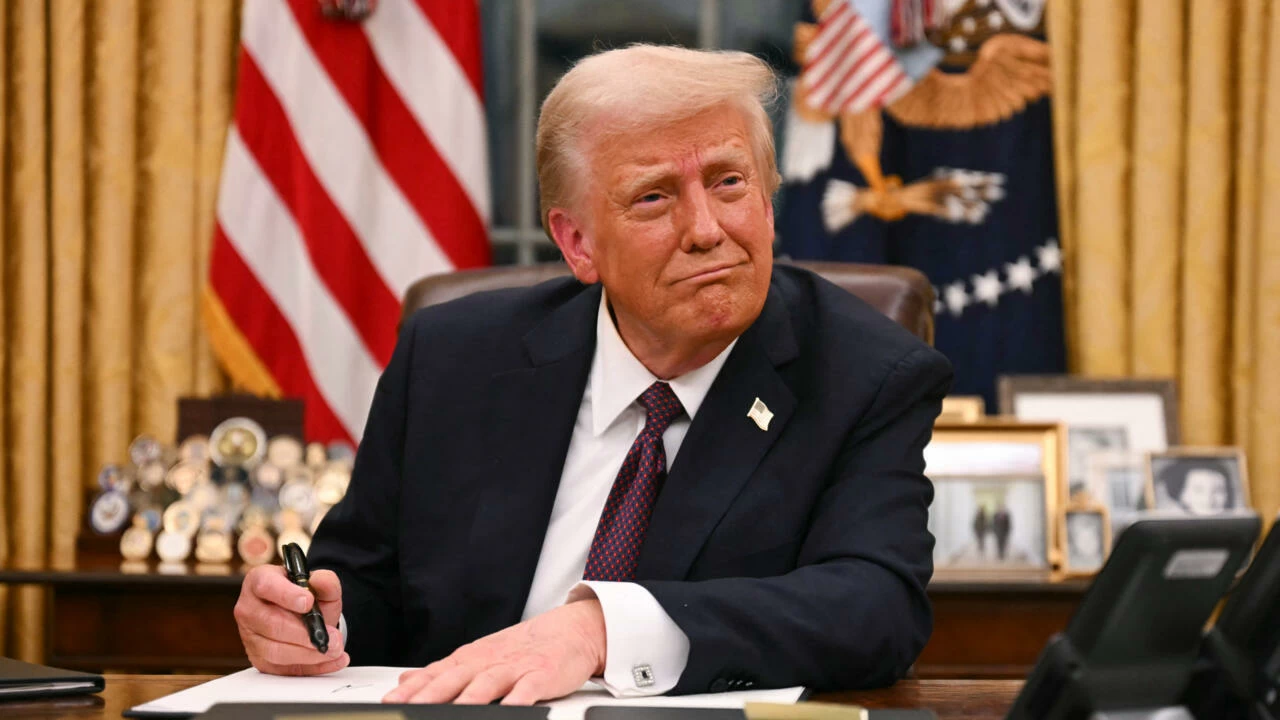
فتح الرئيس الأمريكي دونالد ترمب جبهة جديدة ضد ما يسميه «سياحة الولادة»، بعدما وقَّع أمرين تنفيذيين يستهدفان تضييق نطاق الحصول على الجنسية الأمريكية بالميلاد، في خطوة تأتي رغم مواجهة محاولاته السابقة لإنهاء حق المواطنة بالولادة عقبات دستورية وقضائية.
وقال ترمب إن الإجراءات الجديدة تهدف إلى معالجة ما يعتبره استغلالًا لنظام الجنسية بالولادة، معتبرًا أن أشخاصًا، بينهم أثرياء، يحولون الحصول على الجنسية الأمريكية إلى نشاط تجاري من خلال السفر إلى الولايات المتحدة بغرض إنجاب أطفالهم هناك.
ويستهدف أحد الأمرين التنفيذيين توسيع الفئات التي لا يحصل أبناؤها تلقائيًا على الجنسية الأمريكية رغم ولادتهم داخل الولايات المتحدة، ليشمل ذلك أبناء بعض الأجانب الموجودين في البلاد، إلى جانب فئات كانت مستثناة تاريخيًا من الحماية العامة التي يوفرها بند الجنسية في التعديل الرابع عشر للدستور.
وتتعلق الاستثناءات التقليدية بفئات محددة، من بينها أبناء الدبلوماسيين الأجانب المعتمدين لدى الولايات المتحدة، وأبناء القوات الأجنبية خلال الاحتلال، وبعض الحالات المرتبطة بالسفن الأجنبية العامة، فضلًا عن أوضاع خاصة بالسكان الأصليين.
أما الأمر التنفيذي الثاني، فيستهدف ما يعرف بـ«سياحة الولادة»، وهي ممارسة يسافر بموجبها بعض الأجانب إلى الولايات المتحدة بهدف أساسي هو إنجاب طفل على الأراضي الأمريكية بما يتيح له الحصول على الجنسية بموجب القواعد المعمول بها حاليًا.
ويأتي تحرك ترمب بعد مواجهة قضائية بشأن أمر أصدره في بداية ولايته، كان يستهدف إنهاء حق الجنسية التلقائية لمعظم الأطفال المولودين في الولايات المتحدة لأبوين غير مواطنين أو غير مقيمين بصورة قانونية.
وكانت المحكمة العليا الأمريكية قد تدخلت في القضية، وضيقت نطاق الأوامر القضائية التي كانت تمنع تنفيذ سياسة ترمب على مستوى البلاد، من دون أن تحسم بشكل نهائي دستورية إنهاء حق الجنسية بالولادة نفسه. ومن ثم، فإن الأوامر الجديدة مرشحة بدورها لمواجهة طعون قضائية بشأن مدى توافقها مع التعديل الرابع عشر للدستور والسوابق القضائية الأمريكية.
ويستند أنصار حق الجنسية بالولادة إلى نص واضح في التعديل الرابع عشر، الذي ينص على أن جميع الأشخاص المولودين أو المتجنسين في الولايات المتحدة والخاضعين لولايتها القضائية هم مواطنون أمريكيون. ويعتبر المدافعون عن هذا الحق أن محاولة تضييق نطاقه بأمر تنفيذي تثير أسئلة دستورية كبيرة بشأن قدرة الرئيس على تغيير قاعدة ذات أساس دستوري.
في المقابل، يرى ترمب وحلفاؤه أن تطبيق الجنسية بالولادة على نطاق واسع ساهم في خلق حوافز للهجرة غير النظامية، وأن بعض الأجانب يستغلون النظام من خلال دخول الولايات المتحدة بهدف إنجاب أطفال يحصلون على الجنسية.
ويأتي ذلك في إطار سياسة أوسع تتبناها إدارة ترمب للحد من الهجرة، وتشديد إجراءات الدخول والإقامة، وتوسيع عمليات إنفاذ قوانين الهجرة، مع التركيز على إنهاء ما تعتبره الإدارة ثغرات تسمح للأجانب بالحصول على مزايا داخل الولايات المتحدة.
وتعد «سياحة الولادة» ظاهرة محدودة نسبيًا مقارنة بإجمالي المواليد في الولايات المتحدة، لكن القضية اكتسبت حضورًا سياسيًا كبيرًا خلال السنوات الأخيرة، خصوصًا بين التيار المحافظ الذي يرى أن الجنسية بالولادة أصبحت عامل جذب للهجرة.
U.S. President Donald Trump has opened a new front against what he calls "birth tourism," after signing two executive orders aimed at narrowing the scope of obtaining U.S. citizenship by birth. This move comes despite facing constitutional and judicial obstacles to his previous attempts to end birthright citizenship.
Trump stated that the new measures aim to address what he sees as an exploitation of the birthright citizenship system, arguing that individuals, including the wealthy, are turning the acquisition of U.S. citizenship into a commercial activity by traveling to the United States to give birth to their children there.
One of the executive orders targets expanding the categories of individuals whose children do not automatically receive U.S. citizenship despite being born in the United States. This includes the children of certain foreigners present in the country, along with groups that have historically been excluded from the general protections provided by the citizenship clause in the Fourteenth Amendment to the Constitution.
The traditional exceptions pertain to specific categories, including the children of foreign diplomats accredited to the United States, the children of foreign military personnel during occupation, and certain cases related to foreign public vessels, as well as special situations concerning indigenous populations.
The second executive order targets what is known as "birth tourism," a practice whereby some foreigners travel to the United States primarily to give birth on American soil, thus allowing their child to obtain citizenship under the current rules.
This move by Trump follows a legal battle concerning an order he issued at the beginning of his term, which aimed to end the automatic citizenship right for most children born in the United States to non-citizen or unlawfully present parents.
The U.S. Supreme Court had intervened in the case, narrowing the scope of court orders that were blocking the nationwide implementation of Trump's policy, without definitively resolving the constitutionality of ending birthright citizenship itself. Therefore, the new orders are also likely to face legal challenges regarding their compliance with the Fourteenth Amendment and U.S. legal precedents.
Supporters of birthright citizenship rely on a clear text in the Fourteenth Amendment, which states that all persons born or naturalized in the United States and subject to its jurisdiction are American citizens. Advocates of this right argue that attempting to narrow its scope through an executive order raises significant constitutional questions about the president's ability to change a rule that has a constitutional basis.
In contrast, Trump and his allies believe that the broad application of birthright citizenship has contributed to creating incentives for illegal immigration, and that some foreigners exploit the system by entering the United States with the aim of giving birth to children who obtain citizenship.
This is part of a broader policy adopted by the Trump administration to limit immigration, tighten entry and residency procedures, and expand immigration law enforcement, focusing on ending what the administration sees as loopholes that allow foreigners to gain benefits within the United States.
While "birth tourism" is a relatively limited phenomenon compared to the total number of births in the United States, the issue has gained significant political traction in recent years, especially among the conservative movement, which views birthright citizenship as a magnet for immigration.