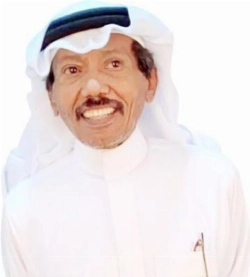
تصعب قراءة تجربة رئيس مجلس إدارة هيئة الترفيه المستشار تركي آل الشيخ من خلال منطق التمكين وحده. فالتمكين يفتح المجال، لكنه لا يشرح النتيجة. كثير من المسؤولين امتلكوا الصلاحيات والموارد والدعم نفسه، ومع ذلك بقي حضورهم محصوراً في حدود مناصبهم. لكن تركي آل الشيخ، استطاع أن يبني لنفسه موقعاً يتجاوز الوظيفة إلى التأثير، ويتجاوز إدارة القطاع إلى تشكيل المزاج العام المحيط به.
خصوصية تجربته تبدأ من فهمه المبكر للفارق بين صناعة النجاح وصناعة صورته. النجاح في معناه التنفيذي يمكن قياسه بعدد الفعاليات، وحجم الحضور، والعوائد، ونوعية الشراكات. لكن هذه المؤشرات -على أهميتها- لا تضمن أن يتحوّل النجاح إلى قيمة راسخة في الوعي العام. قد تنتهي الفعالية بانتهاء وقتها، وقد يُطوى المشروع داخل تقرير سنوي وحصاد أرقام، وقد يبقى الإنجاز حبيساً بين من صنعوه. وهنا تظهر المسافة الفاصلة بين من ينجز، ومن يعرف كيف يمنح الإنجاز حياةً تتجاوز لحظة حدوثه.
تركي آل الشيخ لم يتعامل مع الحدث بوصفه منتجاً نهائياً، بل بوصفه مادة أولية لمشهد أوسع. قبل الحدث يخلق الترقب، وفي أثنائه يدير الانتباه، وبعده يعيد تدوير أثره في الذاكرة العامة. لذلك لا تبدو الفعالية منفصلة عمّا قبلها وما بعدها، بل جزءاً من مسار متصل تتكامل فيه الفكرة والصورة والتوقيت والجدل والتفاعل.
وهذه هي صناعة المشهد بمعناها الحقيقي؛ ألا تكتفي بإقامة الحدث، بل أن تحدد كيف يُرى، وكيف يُروى، وما الذي يبقى منه بعد انطفاء الأضواء. المشهد ليس جمهوراً مجتمعاً في مكان، بل شبكة واسعة من الانطباعات والقصص والصور والمواقف. ومن يسيطر على هذه الشبكة لا يدير حدثاً فقط، وإنما يصوغ مكانته داخل الوعي العام.
الميزة الأوضح في تجربته قدرته على استثمار الأثر بدل الاكتفاء بتحقيقه.
الأثر هنا ليس صدى عابراً، بل رأسمال يمكن البناء عليه. كل نجاح يرفع سقف التوقعات، وكل تفاعل يوسع قاعدة الجمهور، وكل اسم عالمي يحضر يفتح نافذة لاسم آخر، وكل موسم يمهد لما يليه. بذلك يتحوّل الإنجاز من نتيجة منتهية إلى قوة دفع متراكمة.
هذا التراكم هو ما صنع حالة تركي آل الشيخ. لم تعد مشاريعه يُقاس كل واحد بمعزل عن الآخر، لأن اسمه نفسه أصبح جزءاً من معادلة التلقي. الجمهور لا ينتظر الحدث فحسب، بل ينتظر ما الذي سيفعله تركي آل الشيخ بهذا الحدث. وهذه درجة متقدّمة من التأثير؛ أن يصبح قائد القطاع عنصراً داخل المنتج، وأن تتحوّل شخصيته العامة إلى قناة تسويق، ومنصة تفاعل، ومحرك توقعات.
ولا يتحقق ذلك من خلال الحضور الإعلامي وحده، بل من خلال فهم دقيق لاقتصاد الانتباه. الجمهور اليوم لا يمنح اهتمامه للمشروع الأفضل بالضرورة، بل للمشروع الأقدر على تقديم نفسه، وإثارة الفضول حوله، وإشراك الناس في قصته. وتركي آل الشيخ يدرك أن المعركة الحقيقية لا تقع داخل القاعات والمسارح والملاعب فقط، بل داخل هواتف الناس، وفي أحاديثهم، وفي قدرتهم على الشعور بأنهم جزء من الحدث حتى إن لم يحضروه.
لهذا يتغلغل في التفاصيل التي قد تبدو صغيرة، لكنها شديدة التأثير؛ اسم الفعالية، شكل الإعلان، توقيت الكشف، اختيار الضيف، صياغة الرسالة، وطريقة الرد على الجمهور. هذه التفاصيل ليست هامشاً اتصالياً، بل بنية المشهد نفسه. فالنجاح الكبير قد يفقد أثره بسبب تقديم باهت، بينما تستطيع إدارة ذكية للتفاصيل أن تمنح مشروعاً جيداً وزناً أكبر من حجمه المباشر.
ومع ذلك، فإن صناعة المشهد تحمل تحدياً دائماً؛ فرفع منسوب التوقعات يجعل الجمهور أكثر صعوبة في الإرضاء، والحضور الشخصي الطاغي قد يربط نجاح المشاريع باسم واحد أكثر مما يربطه بالمؤسسة.
غير أن هذه الملاحظة لا تنفي خصوصية التجربة، بل تكشف حجمها. فحين يصبح اسم القائد قادراً على تحريك السوق، وجذب الشركاء، وإشعال التفاعل، فإننا نكون أمام حالة تتجاوز الإدارة التقليدية.
تركي آل الشيخ لم يكتفِ بصناعة نجاحات متتالية، بل صنع منظومة تستثمر كل نجاح في إنتاج نجاح آخر. وحوّل الأثر من نتيجة لاحقة إلى جزء من التخطيط الأصلي. لذلك لا تكمن فرادته في أنه أحدث تغييراً فقط، بل في أنه عرف كيف يمنح هذا التغيير صورةً وصوتاً وامتداداً.
القمة قد يبلغها كثيرون بالموارد والتخطيط والانضباط، لكن البقاء داخل الوعي العام يحتاج إلى قدرة مختلفة؛ أن تحوِّل الإنجاز إلى قصة، والقصة إلى مشهد، والمشهد إلى أثر متراكم. وهذه، تحديداً، هي المساحة التي صنعت تركي آل الشيخ بوصفه حالة خاصة في الإدارة والتأثير.
Reading the experience of the Chairman of the Entertainment Authority, Advisor Turki Al-Sheikh, is difficult through the logic of empowerment alone. Empowerment opens the door, but it does not explain the outcome. Many officials have had the same powers, resources, and support, yet their presence remained confined to the limits of their positions. However, Turki Al-Sheikh managed to build a position for himself that transcends the job to influence, and goes beyond managing the sector to shaping the general mood surrounding him.
His unique experience begins with his early understanding of the difference between creating success and creating his image. Success, in its executive sense, can be measured by the number of events, the size of attendance, the returns, and the quality of partnerships. But these indicators—important as they are—do not guarantee that success transforms into a lasting value in public consciousness. An event may end when its time is up, a project may be folded into an annual report with harvested numbers, and an achievement may remain confined among those who created it. Here lies the gap between those who achieve and those who know how to give the achievement a life that transcends the moment of its occurrence.
Turki Al-Sheikh did not treat the event as a final product, but as a raw material for a broader scene. Before the event, he creates anticipation; during it, he manages attention; and after it, he recycles its impact in public memory. Thus, the event does not seem separate from what came before and after it, but rather a part of a continuous path where the idea, image, timing, debate, and interaction are integrated.
This is the true art of crafting a scene; it is not enough to hold the event, but to determine how it is seen, how it is narrated, and what remains of it after the lights go out. The scene is not just an audience gathered in one place, but a vast network of impressions, stories, images, and positions. Those who control this network do not merely manage an event; they shape their status within public consciousness.
The clearest advantage in his experience is his ability to invest in the impact rather than just achieving it.
The impact here is not a fleeting echo, but a capital that can be built upon. Every success raises the bar of expectations, every interaction expands the audience base, every global name that attends opens a window for another name, and every season paves the way for the next. Thus, the achievement transforms from a finite result into an accumulated driving force.
This accumulation is what created Turki Al-Sheikh's case. His projects can no longer be measured in isolation from one another, as his name itself has become part of the reception equation. The audience does not just await the event; they await what Turki Al-Sheikh will do with this event. This is an advanced level of influence; for the sector leader to become an element within the product, and for his public persona to transform into a marketing channel, an interaction platform, and a driver of expectations.
This is not achieved through media presence alone, but through a precise understanding of the economy of attention. Today, the audience does not necessarily grant their attention to the best project, but to the project most capable of presenting itself, sparking curiosity about it, and engaging people in its story. Turki Al-Sheikh understands that the real battle does not take place only within halls, theaters, and stadiums, but within people's phones, in their conversations, and in their ability to feel they are part of the event even if they do not attend.
That is why he delves into details that may seem small but are highly influential; the name of the event, the form of the advertisement, the timing of the reveal, the choice of the guest, the crafting of the message, and the way to respond to the audience. These details are not a communicative margin but the very structure of the scene itself. A major success may lose its impact due to a lackluster presentation, while a smart management of details can give a good project greater weight than its immediate size.
However, crafting the scene carries a constant challenge; raising the level of expectations makes it more difficult to satisfy the audience, and an overwhelming personal presence may tie the success of projects to one name more than to the institution.
Nevertheless, this observation does not negate the uniqueness of the experience but reveals its magnitude. When the leader's name can move the market, attract partners, and ignite interaction, we are faced with a case that transcends traditional management.
Turki Al-Sheikh did not settle for creating successive successes; he created a system that invests every success in producing another success. He transformed the impact from a subsequent result into part of the original planning. Therefore, his uniqueness lies not only in that he brought about change, but in that he knew how to give this change an image, a voice, and an extension.
Many can reach the summit through resources, planning, and discipline, but staying within public consciousness requires a different ability; to turn achievement into a story, the story into a scene, and the scene into an accumulated impact. This, precisely, is the space that has made Turki Al-Sheikh a special case in management and influence.