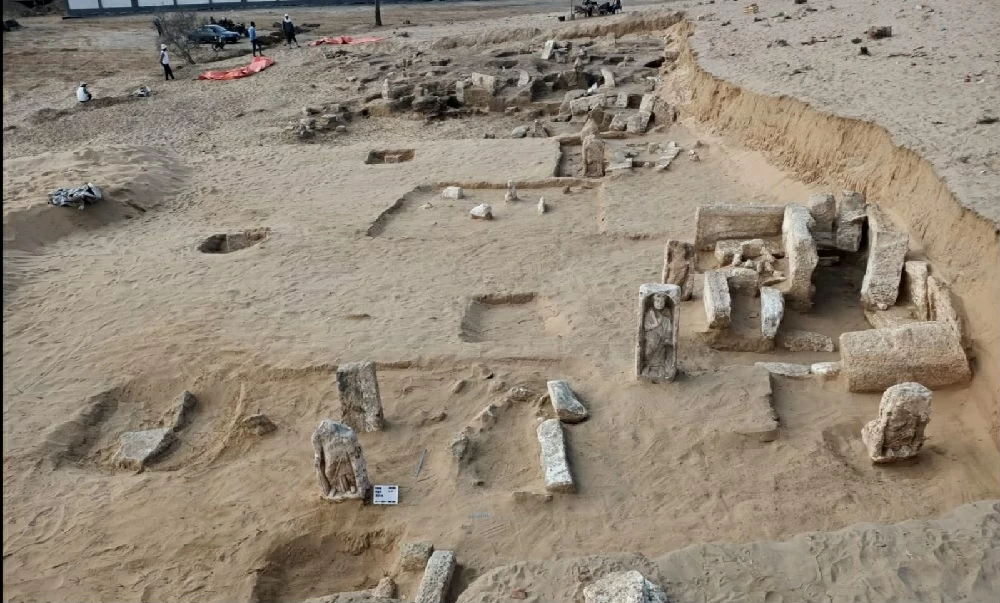
أعلنت البعثة الأثرية المصرية التابعة للمجلس الأعلى للآثار عن اكتشاف عدد من شواهد القبور والتوابيت والتمائم الأثرية بمنطقة تل الدير في محافظة دمياط، وذلك خلال موسم الحفائر الحالي بالموقع، في كشف جديد يسلط الضوء على الأهمية التاريخية والأثرية للمنطقة.
وأكد الأمين العام للمجلس الأعلى للآثار الدكتور هشام الليثي، أن هذا الكشف يفتح آفاقًا جديدة لفهم تطور الجبانات في دلتا مصر، ويؤكد أن منطقة تل الدير لم تكن مجرد موقع للدفن، وإنما مثلت مركزًا جنائزيًا متكاملًا يعكس هوية اجتماعية وثقافية وعقائدية واضحة المعالم.
وأضاف أن الاكتشاف يعزز كذلك الأهمية الأثرية لمنطقة تل الدير؛ باعتبارها أحد أبرز المواقع الأثرية في شرق الدلتا، لما تضمه من طبقات وشواهد أثرية قادرة على إعادة رسم خريطة الاستيطان والجبانات القديمة، إلى جانب إتاحة قراءة جديدة لتاريخ محافظة دمياط خلال العصور القديمة.
من جانبه، أوضح رئيس قطاع الآثار المصرية بالمجلس الأعلى للآثار محمد عبدالبديع، أن البعثة نجحت في اكتشاف نحو 20 شاهد قبر فريدًا من الحجر الجيري، نُحتت بعناية فائقة وجُسدت عليها الهيئة الآدمية بأسلوب فني متميز، بينما زُينت جوانبها وظهورها بمجموعة من الرموز والمعبودات ذات الدلالات العقائدية؛ من بينها الجريفون، والأجاثاديمون، وإيزيس ثيرموتيس.
وأشار إلى أن هذه العناصر الأيقونية تعكس تفاعلًا حضاريًا وثقافيًا لافتًا بين الموروث الديني المصري والتأثيرات اليونانية الرومانية، كما تكشف عن المكانة الاجتماعية المتميزة لأصحاب تلك الشواهد.
وأضاف عبدالبديع أن أعمال الحفائر أسفرت أيضًا عن العثور على مجموعة كبيرة ومتنوعة من المباخر الفخارية والمسارج المزخرفة بأشكال متعددة، إلى جانب التوابيت الفخارية الآدمية ذات الطراز البرميلي، فضلًا عن اكتشاف عدد من التمائم الجنائزية.
وأوضح أن هذه المكتشفات تقدم صورة أكثر اكتمالًا عن الطقوس الشعائرية والرمزية المرتبطة بممارسات الدفن عبر الحقب الزمنية المختلفة، كما تعكس تطورًا حضاريًا متواصلًا يؤكد أن منطقة تل الدير تمثل نطاقًا حضاريًا ممتدًا يبدأ منذ العصر المتأخر ويستمر حتى نهاية العصر الروماني، ما يجعلها سجلًا أثريًا حيًا يوثق تحولات المشهد الاجتماعي والعقائدي والجنائزي في دلتا النيل على امتداد قرون طويلة من التاريخ.
The Egyptian archaeological mission affiliated with the Supreme Council of Antiquities announced the discovery of several tombstones, coffins, and ancient amulets in the Tell al-Dair area of Damietta Governorate, during the current excavation season at the site, in a new finding that highlights the historical and archaeological significance of the area.
The Secretary-General of the Supreme Council of Antiquities, Dr. Hisham El-Liethy, confirmed that this discovery opens new horizons for understanding the development of burial sites in the Nile Delta, and emphasizes that the Tell al-Dair area was not just a burial site, but represented a comprehensive funerary center that reflects a clear social, cultural, and ideological identity.
He added that the discovery also enhances the archaeological significance of the Tell al-Dair area, as it is one of the most prominent archaeological sites in East Delta, due to the layers and archaeological evidence it contains that can redraw the map of ancient settlements and burial sites, along with providing a new reading of the history of Damietta Governorate during ancient times.
For his part, the head of the Egyptian Antiquities Sector at the Supreme Council of Antiquities, Mohamed Abdel-Badi, explained that the mission succeeded in discovering about 20 unique limestone tombstones, intricately carved and depicting the human form in a distinctive artistic style, while their sides and backs were adorned with a collection of symbols and deities with ideological connotations; among them are the griffin, Agathodaimon, and Isis Thermuthis.
He pointed out that these iconic elements reflect a remarkable cultural and civilizational interaction between the Egyptian religious heritage and Greek-Roman influences, as well as revealing the distinguished social status of the owners of those tombstones.
Abdel-Badi added that the excavation work also resulted in the discovery of a large and diverse collection of pottery incense burners and decorated lamps in various shapes, in addition to human-shaped pottery coffins of the barrel style, as well as the discovery of several funerary amulets.
He explained that these discoveries provide a more complete picture of the ritual and symbolic practices associated with burial practices across different historical periods, and reflect a continuous civilizational development that confirms that the Tell al-Dair area represents an extended civilizational scope starting from the Late Period and continuing until the end of the Roman era, making it a living archaeological record documenting the transformations of social, ideological, and funerary scenes in the Nile Delta over long centuries of history.