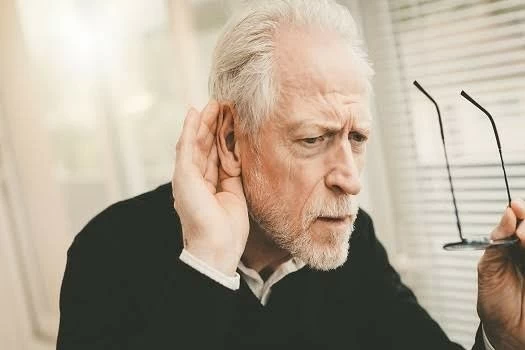
يرتبط التقدم في العمر في أذهان كثيرين بضعف البصر أو السمع، إلا أن الخبراء يؤكدون أن الشيخوخة تؤثر تدريجياً في الحواس الخمس جميعها، بما في ذلك الشم والتذوق واللمس، وهو ما قد ينعكس على الصحة الجسدية والنفسية، ويزيد من مخاطر العزلة الاجتماعية والسقوط وحتى التدهور الإدراكي إذا لم يُكتشف مبكراً.
وتوضح تقارير طبية أن هذه التغيرات تحدث ببطء شديد، ما يجعل كثيراً من كبار السن لا يلاحظونها إلا بعد أن تبدأ في التأثير على حياتهم اليومية.
وتشير الإحصاءات إلى أن نحو ثلثي كبار السن يعانون ضعفاً في حاستين أو أكثر، بينما لا يحتفظ سوى عدد محدود بجميع حواسه دون أي تراجع يُذكر.
تجربة شخصية تعكس واقع الملايين
وبحسب موقع webmd، تجسد المدونة الأمريكية جوديث بويد، هذه التحديات اليومية، فبعد سنوات من استخدام سماعات طبية لتحسين السمع، واجهت مشكلات متكررة في الإبصار، شملت الإصابة بثقب في البقعة الصفراء وإجراء عمليات جراحية في كلتا العينين، إلى جانب جراحة المياه البيضاء.
ورغم هذه التحديات، تؤكد بويد أن الحفاظ على القدرة على رؤية العالم وسماع المقربين يمثل جزءاً أساسياً من جودة الحياة مع التقدم في العمر، وهو ما يدفعها إلى الاهتمام بصحة حواسها كما تهتم بأناقتها.
الشم.. حاسة تتراجع بصمت
ويحذر اختصاصيو طب الشيخوخة من أن ضعف حاسة الشم يعد من أكثر التغيرات شيوعاً مع التقدم في السن، ولا يرتبط فقط بالإصابة ببعض الفيروسات كما يعتقد البعض.
ويشير الدكتور إيمانويل أوسي-بواماه، المتخصص في طب كبار السن، إلى أن ما بين 22% و30% من كبار السن يعانون تغيرات في القدرة على الشم، فيما ترتفع النسبة إلى أكثر من 62% لدى من تجاوزوا الثمانين عاماً. وقد يؤدي ذلك إلى مخاطر يومية مثل عدم اكتشاف فساد الطعام أو تسرب الغاز أو اندلاع الحرائق.
ضعف السمع والبصر.. أكثر من مجرد فقدان للحواس
ولا يقتصر تأثير ضعف السمع على صعوبة التواصل مع الآخرين، إذ تربطه دراسات بارتفاع احتمالات الإصابة بالعزلة الاجتماعية والاكتئاب والخرف والتراجع الإدراكي، خاصة إذا لم يحصل المصاب على العلاج المناسب.
أما ضعف البصر، فقد يدفع كبار السن إلى تقليل أنشطتهم اليومية، والتوقف عن القيادة أو الخروج بمفردهم، ما يحد من استقلاليتهم ويزيد شعورهم بالوحدة. كما يزيد ضعف الرؤية من احتمالات السقوط أو التعرض لإصابات داخل المنزل نتيجة عدم ملاحظة المخاطر المحيطة.
التذوق واللمس.. آثار قد لا يتوقعها كثيرون
ورغم أن تراجع حاستي التذوق واللمس يحظى باهتمام أقل، فإن تأثيرهما قد يكون كبيراً أيضاً، ففقدان القدرة على تذوق الطعام قد يقلل الشهية ويؤدي إلى سوء التغذية، كما قد يحرم كبار السن من متعة تناول الطعام مع العائلة والأصدقاء.
أما انخفاض الإحساس باللمس، فقد يجعل الشخص أقل قدرة على ملاحظة الجروح أو الحروق أو الضغط المستمر على الجلد، إضافة إلى تأثيره في التوازن أثناء المشي، وهو ما يزيد من احتمالات التعثر والسقوط.
الفحص المبكر.. خطوة أساسية
ويؤكد الخبراء أن اكتشاف هذه التغيرات مبكراً يساهم في الحد من آثارها، ففي حين لا توجد فحوصات دورية معتمدة للشم أو التذوق أو اللمس، ينصح الأطباء بمراجعة المختصين عند ملاحظة أي تغيرات أو عند ظهور أعراض مثل فقدان الوزن غير المبرر أو الاكتئاب أو تراجع جودة الحياة.
أما بالنسبة للبصر، فتوصي الأكاديمية الأمريكية لطب العيون بإجراء فحص شامل كل عام إلى عامين بعد سن الخامسة والستين، بينما توصي منظمة الصحة العالمية بإجراء اختبار للسمع مرة كل سنة إلى ثلاث سنوات للفئة العمرية نفسها.
إجراءات بسيطة تصنع فارقاً
ويرى التقرير أن الحفاظ على الحواس لا يعتمد فقط على العلاج، بل يشمل أيضاً اتباع إجراءات وقائية مثل استخدام النظارات أو السماعات الطبية عند الحاجة، وتركيب أجهزة إنذار الدخان داخل المنزل، وفحص صلاحية الأغذية باستمرار، وإزالة العوائق التي قد تسبب السقوط، وفحص الجلد والقدمين بانتظام، والاستعانة بالعصا أو المشاية عند الحاجة.
وفي الختام، يؤكد الخبراء أن تراجع الحواس ليس أمراً يمكن تجنبه دائماً، لكنه لا يعني بالضرورة فقدان الاستقلالية أو جودة الحياة، فالتشخيص المبكر، والمتابعة الطبية المنتظمة، والالتزام بالإجراءات الوقائية، تمثل عوامل أساسية تساعد كبار السن على الحفاظ على نشاطهم واستقلالهم والحد من مخاطر الاكتئاب والخرف والسقوط مع التقدم في العمر.
Aging is often associated in the minds of many with declining vision or hearing, but experts confirm that aging gradually affects all five senses, including smell, taste, and touch, which can impact both physical and mental health, increasing the risks of social isolation, falls, and even cognitive decline if not detected early.
Medical reports indicate that these changes occur very slowly, making many older adults unaware of them until they begin to affect their daily lives.
Statistics show that about two-thirds of older adults experience a decline in two or more senses, while only a limited number retain all their senses without any significant decline.
A Personal Experience Reflecting the Reality of Millions
According to the webmd website, American blogger Judith Boyd embodies these daily challenges. After years of using hearing aids to improve her hearing, she faced recurring vision problems, including a hole in the macula and surgeries in both eyes, along with cataract surgery.
Despite these challenges, Boyd emphasizes that maintaining the ability to see the world and hear loved ones is an essential part of quality of life as one ages, which drives her to care for her senses as much as she cares for her appearance.
Smell... A Sense That Quietly Declines
Geriatric specialists warn that a decline in the sense of smell is one of the most common changes with aging and is not only associated with infections from certain viruses, as some believe.
Dr. Emmanuel Owusu-Banahene, a specialist in geriatric medicine, notes that between 22% and 30% of older adults experience changes in their sense of smell, while the percentage rises to over 62% among those over eighty years old. This can lead to daily risks such as failing to detect spoiled food, gas leaks, or fires.
Hearing and Vision Loss... More Than Just a Loss of Senses
The impact of hearing loss is not limited to difficulty communicating with others; studies link it to increased chances of social isolation, depression, dementia, and cognitive decline, especially if the affected person does not receive appropriate treatment.
As for vision loss, it may lead older adults to reduce their daily activities, stop driving, or go out alone, which limits their independence and increases their feelings of loneliness. Additionally, impaired vision raises the likelihood of falls or injuries at home due to an inability to notice surrounding hazards.
Taste and Touch... Effects That Many May Not Expect
Although the decline in the senses of taste and touch receives less attention, their impact can also be significant. Loss of the ability to taste food may reduce appetite and lead to malnutrition, as well as depriving older adults of the joy of sharing meals with family and friends.
A decrease in the sense of touch may make a person less able to notice cuts, burns, or continuous pressure on the skin, in addition to affecting balance while walking, which increases the chances of tripping and falling.
Early Screening... An Essential Step
Experts confirm that early detection of these changes helps mitigate their effects. While there are no established routine screenings for smell, taste, or touch, doctors recommend consulting specialists when noticing any changes or when symptoms such as unexplained weight loss, depression, or a decline in quality of life appear.
For vision, the American Academy of Ophthalmology recommends a comprehensive eye exam every one to two years after the age of sixty-five, while the World Health Organization recommends a hearing test once every one to three years for the same age group.
Simple Measures Make a Difference
The report suggests that maintaining the senses relies not only on treatment but also on following preventive measures such as using glasses or hearing aids when needed, installing smoke alarms in the home, regularly checking food safety, removing obstacles that may cause falls, regularly examining the skin and feet, and using a cane or walker when necessary.
In conclusion, experts assert that sensory decline is not always avoidable, but it does not necessarily mean a loss of independence or quality of life. Early diagnosis, regular medical follow-up, and adherence to preventive measures are key factors that help older adults maintain their activity and independence while reducing the risks of depression, dementia, and falls as they age.