أعلنت وزارة التعليم العالي والبحث العلمي المصرية بدء المرحلة الأولى لتنسيق القبول بالجامعات الحكومية والمعاهد للعام الجامعي 2026-2027، لطلاب الثانوية العامة الناجحين في الدور الأول بالنظامين الحديث والقديم، وذلك اعتباراً من الأربعاء 5 أغسطس وحتى الأحد 9 أغسطس، عبر موقع التنسيق الإلكتروني الرسمي.
وأكد وزير التعليم العالي والبحث العلمي، والقائم بأعمال وزير الثقافة، الدكتور عبدالعزيز قنصوة، أن الوزارة استكملت جميع الاستعدادات الخاصة بأعمال التنسيق، في ظل التوسع الذي شهدته منظومة التعليم العالي خلال السنوات الأخيرة من إنشاء جامعات جديدة وزيادة أعداد الكليات والبرامج الأكاديمية، بما يعزز القدرة الاستيعابية للجامعات مع الحفاظ على جودة العملية التعليمية.
وأوضح أن الدولة تتبنى سياسة تستهدف إتاحة فرص التعليم الجامعي مع ربط منظومة التعليم العالي بحاجات سوق العمل وخطط التنمية المستدامة، من خلال إعداد كوادر تمتلك المهارات والجدارات اللازمة لدعم الاقتصاد القائم على المعرفة والابتكار.
ربط القبول بحاجات سوق العمل
وأشارت الوزارة إلى أن اللجنة العليا لتطوير البرامج الأكاديمية وربطها بمؤشرات سوق العمل أجرت، بالتعاون مع الوزارات والجهات المعنية ومؤسسات الصناعة والأعمال، دراسات شاملة لتحليل حاجات سوق العمل الحالية والمستقبلية، والتخصصات الأكثر طلباً، والمهارات المطلوبة، مع الاستفادة من التجارب الدولية.
وأضافت أن نتائج هذه الدراسات انعكست على سياسات القبول للعام الحالي، من خلال التوسع في الكليات والبرامج التي تشهد طلباً متزايداً على خريجيها، والحفاظ على معدلات القبول في التخصصات التي استقرت حاجات سوق العمل منها، إلى جانب التوسع في البرامج البينية والتخصصات الحديثة التي تعزز المهارات متعددة التخصصات وترفع القدرة التنافسية للخريجين محلياً وإقليمياً ودولياً.
وأكدت الوزارة أن أي توسع في القبول يرتبط بجاهزية الجامعات من حيث أعضاء هيئة التدريس، والبنية التحتية، والمعامل، والمستشفيات الجامعية، والمنشآت التعليمية، بما يضمن استمرار جودة التعليم وتحقيق التوازن بين الإتاحة والكفاءة الأكاديمية.
كما شددت على أن مكتب التنسيق الإلكتروني يراعي استمرار وجود نظامين للثانوية العامة (الحديث والقديم)، بما يضمن تحقيق العدالة وتكافؤ الفرص بين جميع الطلاب، وفقاً لقرارات المجلس الأعلى للجامعات.
الحدود الدنيا للمرحلة الأولى
النظام الحديث
حددت الوزارة الحد الأدنى للقبول بالمرحلة الأولى للنظام الحديث على النحو التالي:
الشعبة العلمية (علوم): 292 درجة بنسبة 91.25%، بإجمالي 23154 طالباً.
الشعبة العلمية (رياضيات): 275.5 درجة بنسبة 86.09%، بإجمالي 16046 طالباً.
الشعبة الأدبية: 229 درجة بنسبة 71.56%، بإجمالي 55567 طالباً.
وبذلك يبلغ إجمالي عدد الطلاب المقرر قبول رغباتهم في المرحلة الأولى للنظام الحديث 94767 طالباً.
النظام القديم
أما بالنسبة لطلاب النظام القديم فجاء الحد الأدنى كما يلي:
علمي علوم: 369 درجة بنسبة 90%، بعدد 21 طالباً.
علمي رياضيات: 347 درجة بنسبة 84.63%، بعدد 7 طلاب.
الشعبة الأدبية: 270 درجة بنسبة 65.85%، بعدد 70 طالباً.
ويبلغ إجمالي طلاب المرحلة الأولى بالنظام القديم 98 طالباً فقط.
التسجيل إلكترونياً لمدة خمسة أيام
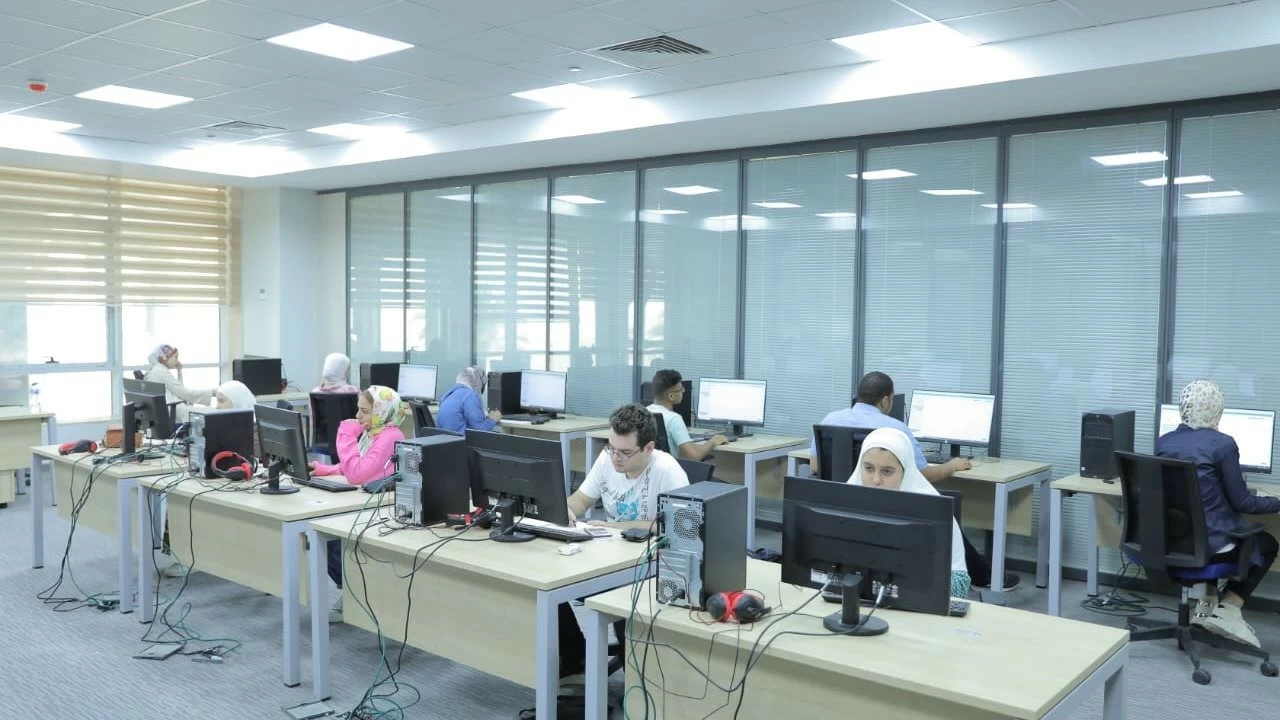
وأوضحت الوزارة أن تسجيل الرغبات يتم حصرياً عبر موقع التنسيق الإلكتروني الرسمي، بينما توفر الجامعات معامل حاسب آلي لمساعدة الطلاب طوال فترة المرحلة الأولى، يومياً من الساعة التاسعة صباحاً حتى الثالثة عصراً.
كما يمكن للطلاب تسجيل رغباتهم باستخدام الحاسب الشخصي على مدار 24 ساعة يومياً، بما في ذلك أيام العطلات الرسمية، مع إمكانية تعديل الرغبات أكثر من مرة حتى إغلاق باب التسجيل في السابعة مساءً من آخر أيام المرحلة.
مزايا التنسيق الإلكتروني
وأكدت الوزارة أن نظام التنسيق الإلكتروني يتيح العديد من المزايا، أبرزها تسهيل إجراءات التقديم دون الحاجة إلى الانتقال بين المحافظات أو تقديم مستندات ورقية في هذه المرحلة، وإمكانية تسجيل الرغبات ومراجعتها وطباعتها، مع السماح بتعديلها طوال فترة التنسيق.
كما يوفر النظام واجهة إلكترونية مبسطة لترتيب الرغبات، ويتيح للطالب الاطلاع على نتيجة التنسيق فور إعلانها من خلال الموقع الإلكتروني.
تعليمات للطلاب
ودعت الوزارة الطلاب إلى ترتيب رغباتهم بعناية وفقاً لميولهم العلمية والمهنية، والاستفادة من الاطلاع على الحدود الدنيا للكليات في الأعوام السابقة لتكوين تصور واقعي عن فرص القبول.
وأكدت أن النظام يعرض تلقائياً الكليات والمعاهد المتاحة لكل شعبة، كما ينبه الطالب حال اختيار كلية خارج النطاق الجغرافي المخصص له، ويطلب تعديل الرغبة بما يتوافق مع قواعد التوزيع الجغرافي.
وشددت الوزارة على ضرورة استكمال جميع الرغبات البالغ عددها 75 رغبة، إذ لا يسمح النظام بإتمام عملية التسجيل قبل استيفائها بالكامل.
خطوات تسجيل الرغبات
وأوضحت الوزارة أن التسجيل يبدأ بالدخول إلى موقع التنسيق الإلكتروني، ثم إدخال رقم الجلوس والرقم السري، يلي ذلك تسجيل الرغبات بالترتيب الذي يحدده الطالب مع الالتزام بقواعد التوزيع الجغرافي.
ويتيح الموقع للطالب ترتيب رغباته سواء حسب قطاعات التخصص أو حسب الجامعات، مع إمكانية التنقل بين القطاعات المختلفة وفقاً للقواعد المنظمة، ومراجعة الأقسام والشعب داخل كل كلية، حيث يعد كل قسم أو برنامج رغبة مستقلة.
وبعد الانتهاء من التسجيل، يمكن للطالب طباعة قائمة الرغبات والحصول على إيصال إلكتروني يتضمن رقم العملية وتاريخ ووقت التسجيل، كما يمكنه حفظ نسخة إلكترونية من رغباته، مع العلم بأن النظام يعتمد آخر تعديل يجريه الطالب قبل إغلاق باب التسجيل.
إعلان النتائج
وأشارت الوزارة إلى أن الطالب سيتمكن من الاستعلام عن نتيجة ترشيحه عبر الموقع الإلكتروني نفسه، على أن تصبح بطاقة الترشيح النهائية متاحة للطباعة بعد انتهاء مرحلة تقليل الاغتراب وإعلان نتائجها، والتي تبدأ عقب انتهاء المرحلة الثانية من التنسيق وإعلان نتائجها رسمياً.
The Egyptian Ministry of Higher Education and Scientific Research announced the start of the first phase of coordination for admission to public universities and institutes for the academic year 2026-2027, for high school students who passed the first round in both the modern and old systems, starting from Wednesday, August 5, until Sunday, August 9, through the official electronic coordination website.
The Minister of Higher Education and Scientific Research, and the Acting Minister of Culture, Dr. Abdelaziz Qansoua, confirmed that the ministry has completed all preparations for the coordination process, in light of the expansion witnessed by the higher education system in recent years with the establishment of new universities and an increase in the number of colleges and academic programs, which enhances the capacity of universities while maintaining the quality of the educational process.
He explained that the state adopts a policy aimed at providing opportunities for university education while linking the higher education system to the needs of the labor market and sustainable development plans, by preparing cadres that possess the necessary skills and competencies to support the knowledge-based and innovative economy.
Linking admission to labor market needs
The ministry indicated that the Supreme Committee for Developing Academic Programs and Linking them to Labor Market Indicators conducted, in cooperation with the relevant ministries, authorities, and industry and business institutions, comprehensive studies to analyze the current and future needs of the labor market, the most in-demand specializations, and the required skills, benefiting from international experiences.
It added that the results of these studies were reflected in the admission policies for the current year, through the expansion of colleges and programs that are witnessing increasing demand for their graduates, while maintaining admission rates in specializations where the needs of the labor market have stabilized, in addition to expanding interdisciplinary programs and modern specializations that enhance multidisciplinary skills and increase the competitiveness of graduates locally, regionally, and internationally.
The ministry confirmed that any expansion in admission is linked to the universities' readiness in terms of faculty members, infrastructure, laboratories, university hospitals, and educational facilities, ensuring the continuation of quality education and achieving a balance between availability and academic efficiency.
It also emphasized that the electronic coordination office takes into account the continued existence of two systems for high school (modern and old), ensuring fairness and equal opportunities among all students, in accordance with the decisions of the Supreme Council of Universities.
Minimum limits for the first phase
Modern system
The ministry set the minimum admission limit for the first phase of the modern system as follows:
Scientific Division (Science): 292 degrees, equivalent to 91.25%, with a total of 23,154 students.
Scientific Division (Mathematics): 275.5 degrees, equivalent to 86.09%, with a total of 16,046 students.
Literary Division: 229 degrees, equivalent to 71.56%, with a total of 55,567 students.
Thus, the total number of students whose preferences are scheduled to be accepted in the first phase of the modern system is 94,767 students.
Old system
As for students of the old system, the minimum limit is as follows:
Scientific Sciences: 369 degrees, equivalent to 90%, with 21 students.
Scientific Mathematics: 347 degrees, equivalent to 84.63%, with 7 students.
Literary Division: 270 degrees, equivalent to 65.85%, with 70 students.
The total number of students in the first phase of the old system is only 98 students.
Electronic registration for five days
The ministry clarified that the registration of preferences is done exclusively through the official electronic coordination website, while universities provide computer labs to assist students throughout the first phase, daily from 9 AM to 3 PM.
Students can also register their preferences using personal computers 24 hours a day, including official holidays, with the possibility of modifying preferences multiple times until the registration closes at 7 PM on the last day of the phase.
Advantages of electronic coordination
The ministry confirmed that the electronic coordination system offers many advantages, the most prominent of which is facilitating the application procedures without the need to travel between governorates or submit paper documents at this stage, and the ability to register, review, and print preferences, while allowing modifications throughout the coordination period.
The system also provides a simplified electronic interface for arranging preferences, and allows the student to view the coordination result immediately upon its announcement through the website.
Instructions for students
The ministry urged students to carefully arrange their preferences according to their scientific and professional inclinations, and to benefit from reviewing the minimum limits for colleges in previous years to form a realistic perception of admission opportunities.
It confirmed that the system automatically displays the available colleges and institutes for each division, and alerts the student if they choose a college outside their designated geographical area, requesting a modification of the preference in accordance with the geographical distribution rules.
The ministry emphasized the necessity of completing all 75 preferences, as the system does not allow the completion of the registration process before fully fulfilling them.
Steps to register preferences
The ministry explained that registration begins by entering the electronic coordination website, then entering the seat number and secret number, followed by registering preferences in the order determined by the student while adhering to the geographical distribution rules.
The website allows the student to arrange their preferences either by specialization sectors or by universities, with the ability to navigate between different sectors according to the organizing rules, and to review the departments and divisions within each college, as each department or program is considered an independent preference.
After completing the registration, the student can print the list of preferences and obtain an electronic receipt that includes the operation number, date, and time of registration, and they can also save an electronic copy of their preferences, noting that the system relies on the last modification made by the student before the registration closes.
Announcement of results
The ministry indicated that the student will be able to inquire about the result of their nomination through the same website, and the final nomination card will be available for printing after the end of the phase of reducing expatriation and announcing its results, which begins after the second phase of coordination and the official announcement of its results.