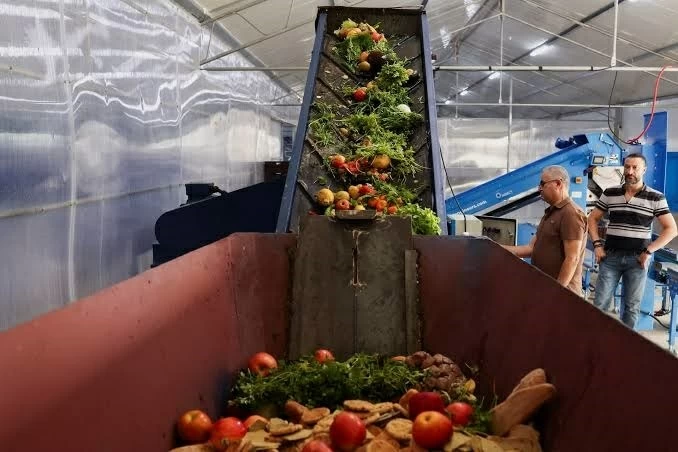
تخيّل أن المشروب المنعش الذي تحتسيه في الصباح، أو لوح البروتين الذي تتناوله في النادي، قد يكون مصنوعاً بالكامل من بقايا أطعمة كان مكانها الطبيعي سلة المهملات! هذا ليس سيناريو من أفلام الخيال العلمي، بل تحول اقتصادي هادئ ومزلزل يقود ثورة غذائية عالمية الآن.
في وقت يئن فيه العالم تحت وطأة الهدر الغذائي المروع، قررت كبرى شركات الأغذية قلب المعادلة تماماً، فتحولت بقايا الفواكه، ورواسب القهوة، وبذور العنب، ولُب العصائر من «نفايات مزعجة» إلى كنز اقتصاد كاسح متوقع أن يضرب حاجز الـ125 مليار دولار بحلول عام 2035.
لم يكن الدافع خلف هذه الثورة مجرد رفاهية بيئية، بل أزمة مناخية وتجارية خلقها الواقع، إذ تُظهر بيانات الأمم المتحدة أن خُمس طعام العالم يُهدر هباءً قبل أن يلمس شفتي المستهلك، مخلفاً انبعاثات كربونية تعادل 5 أضعاف ما ينتجه قطاع الطيران بأكمله.
وأمام هذه الأرقام المفزعة، فرضت الحكومات تشريعات صارمة تقيد التخلص من المكونات العضوية، ليجد أرباب الصناعة في «الأغذية المعاد تدويرها» (Upcycled Food) المنفذ الذهبي نظراً لخفض التكاليف المرتفعة للتخلص من المخلفات، وضخ مكونات فائقة القيمة ومحملة بمضادات الأكسدة إلى الأسواق عبر قنوات التجارة الإلكترونية.
وبينما تتوسع التجربة عربياً بأساليب مبتكرة يظل السؤال الحقيقي والأكثر سخونة: هل يتقبل المستهلك العربي هذا المفهوم دون تشكيك؟
الخبيرة الاقتصادية حنان رمسيس حسمت هذا الجدل المؤرق، مؤكدة أن نجاح هذه التجربة في المنطقة العربية لا ينقصه التمويل ولا التقنيات، بل «ثقة الشارع»، فالخط الفاصل بين الاستدامة الذكية والغش التجاري شعرة دقيقة للغاية، وما لم تُعلن الشركات بشفافية مطلقة عن مصادر مكوناتها، سيبقى الحذر والشك هو السائد أمام هذه المنتجات الوافدة.
Imagine that the refreshing drink you sip in the morning, or the protein bar you eat at the gym, could be made entirely from food scraps that would normally belong in the trash! This is not a scenario from a science fiction movie, but rather a quiet and seismic economic shift that is leading a global food revolution right now.
At a time when the world is groaning under the weight of horrific food waste, major food companies have decided to completely flip the equation, transforming fruit scraps, coffee grounds, grape seeds, and juice pulp from "annoying waste" into a treasure trove of a booming economy expected to surpass $125 billion by 2035.
The driving force behind this revolution is not merely environmental luxury, but a climate and commercial crisis created by reality, as United Nations data shows that one-fifth of the world's food is wasted before it even touches the consumer's lips, leaving behind carbon emissions equivalent to five times what the entire aviation sector produces.
In light of these alarming figures, governments have imposed strict regulations limiting the disposal of organic ingredients, prompting industry leaders to find a golden outlet in "upcycled food" due to the high costs of waste disposal, and to flood the markets with super valuable ingredients rich in antioxidants through e-commerce channels.
As this experiment expands in the Arab world with innovative methods, the real and most pressing question remains: Will the Arab consumer accept this concept without skepticism?
Economic expert Hanan Ramsis has settled this troubling debate, confirming that the success of this experiment in the Arab region lacks neither funding nor technology, but rather "public trust." The fine line between smart sustainability and commercial fraud is extremely thin, and unless companies transparently disclose the sources of their ingredients, caution and doubt will prevail regarding these incoming products.