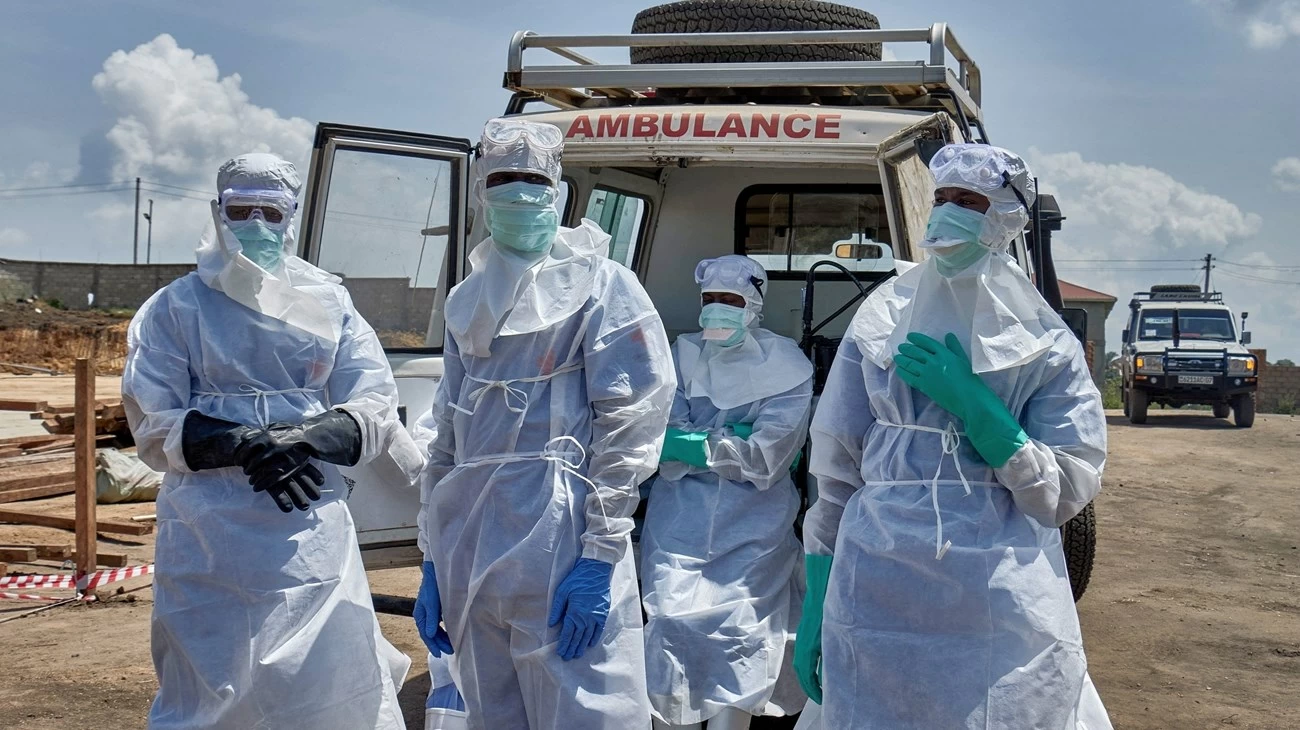
تتفاقم الأزمة الصحية في جمهورية الكونغو الديمقراطية مع استمرار التفشي المتسارع لفايروس إيبولا، بعدما ارتفع عدد الوفيات إلى 1309 حالات من أصل 2973 إصابة مؤكدة، بما يعادل نحو 44% من المصابين، في واحدة من أخطر موجات التفشي التي تشهدها البلاد خلال السنوات الأخيرة.
وتتركز غالبية الإصابات في إقليم إيتوري شرقي البلاد، الذي يمثل بؤرة التفشي الرئيسية، بينما امتدت الحالات إلى مناطق أخرى، بينها كيفو الشمالية، في وقت تكافح فيه السلطات الصحية لاحتواء انتشار المرض وسط ظروف أمنية وإنسانية بالغة الصعوبة.
وتزداد خطورة الوضع مع دخول عامل جديد على خط الأزمة، بعدما أضرب عاملون صحيون في مركز إليكيا لعلاج الإيبولا بمدينة بونيا، احتجاجًا على تأخر صرف مستحقاتهم ومكافآتهم، ما أدى إلى تعطيل جانب كبير من خدمات الرعاية في المنشأة، في وقت تحتاج فيه مراكز العلاج إلى أقصى طاقتها لمواجهة الأعداد المتزايدة من المرضى.
ويرتبط التفشي الحالي بفايروس بونديبوجيو، وهو أحد الأنواع النادرة من فايروس إيبولا. وتكمن خطورة الوضع في أن اللقاحات والعلاجات المعتمدة المتوافرة للأنواع الأخرى من إيبولا لا توفر حلًا معتمدًا مماثلًا لهذه السلالة، بينما بدأت دراسة علاجات تجريبية محتملة في المنطقة.
وكانت منظمة الصحة العالمية قد أعلنت في مايو 2026 أن تفشي فايروس بونديبوجيو في الكونغو الديمقراطية وأوغندا يمثل حالة طوارئ صحية عامة تثير قلقًا دوليًا، بعدما بدأ رصد الحالات في إقليم إيتوري قبل اتساع رقعة الانتشار لاحقًا.
وتواجه جهود احتواء الوباء عقبات متعددة، من بينها العنف المسلح والهجمات على العاملين والمنشآت الصحية، ونقص التمويل والإمدادات، فضلًا عن صعوبات الوصول إلى بعض المناطق وتراجع الثقة لدى قطاعات من السكان، وهي عوامل تعرقل تتبع المخالطين وعزل المصابين ودفن الضحايا بطريقة آمنة.
ينتقل فايروس إيبولا أساسًا عبر التلامس المباشر مع دم أو سوائل جسم الشخص المصاب أو المتوفى، ولا ينتشر عبر الهواء مثل الأنفلونزا، ما يجعل العزل السريع، وتتبع المخالطين، والوقاية الصارمة داخل المنشآت الصحية، من أهم أدوات احتواء التفشي.
وتزداد صعوبة مكافحة المرض في شرق الكونغو الديمقراطية بسبب النزاعات المسلحة وحركة السكان والنشاط التجاري والتعديني، إضافة إلى قرب المناطق المتضررة من الحدود مع دول مجاورة. وقد سجلت منظمة الصحة العالمية حتى منتصف يوليو إصابات في عشرات المناطق الصحية عبر عدة أقاليم، مع استمرار نشاط التفشي في عدد كبير منها.
The health crisis in the Democratic Republic of the Congo is worsening as the rapid outbreak of the Ebola virus continues, with the death toll rising to 1,309 cases out of 2,973 confirmed infections, which is approximately 44% of those infected, in one of the most dangerous waves of outbreaks the country has witnessed in recent years.
The majority of infections are concentrated in the Ituri province in the eastern part of the country, which represents the main outbreak hotspot, while cases have spread to other areas, including North Kivu, at a time when health authorities are struggling to contain the spread of the disease amid extremely difficult security and humanitarian conditions.
The situation is becoming more critical with the introduction of a new factor in the crisis, as health workers at the Elikia Ebola treatment center in the city of Bunia went on strike in protest against the delay in the payment of their dues and bonuses, leading to a significant disruption of care services at the facility, at a time when treatment centers need to operate at full capacity to cope with the increasing number of patients.
The current outbreak is linked to the Bundibugyo virus, which is one of the rare types of the Ebola virus. The danger of the situation lies in the fact that the approved vaccines and treatments available for other types of Ebola do not provide a similar approved solution for this strain, while studies on potential experimental treatments in the region have begun.
The World Health Organization announced in May 2026 that the outbreak of the Bundibugyo virus in the Democratic Republic of the Congo and Uganda constitutes a public health emergency of international concern, after cases began to be reported in the Ituri province before the spread widened later.
Efforts to contain the epidemic face multiple obstacles, including armed violence and attacks on health workers and facilities, lack of funding and supplies, as well as difficulties in accessing some areas and a decline in trust among segments of the population, which hinder tracking contacts, isolating the infected, and safely burying the victims.
The Ebola virus primarily spreads through direct contact with the blood or bodily fluids of an infected or deceased person, and it does not spread through the air like influenza, making rapid isolation, contact tracing, and strict prevention within health facilities some of the most important tools for containing the outbreak.
Combating the disease in eastern Democratic Republic of the Congo is made more difficult due to armed conflicts, population movements, commercial and mining activities, in addition to the proximity of affected areas to the borders with neighboring countries. The World Health Organization reported infections in dozens of health areas across several provinces by mid-July, with the outbreak continuing to be active in a large number of them.