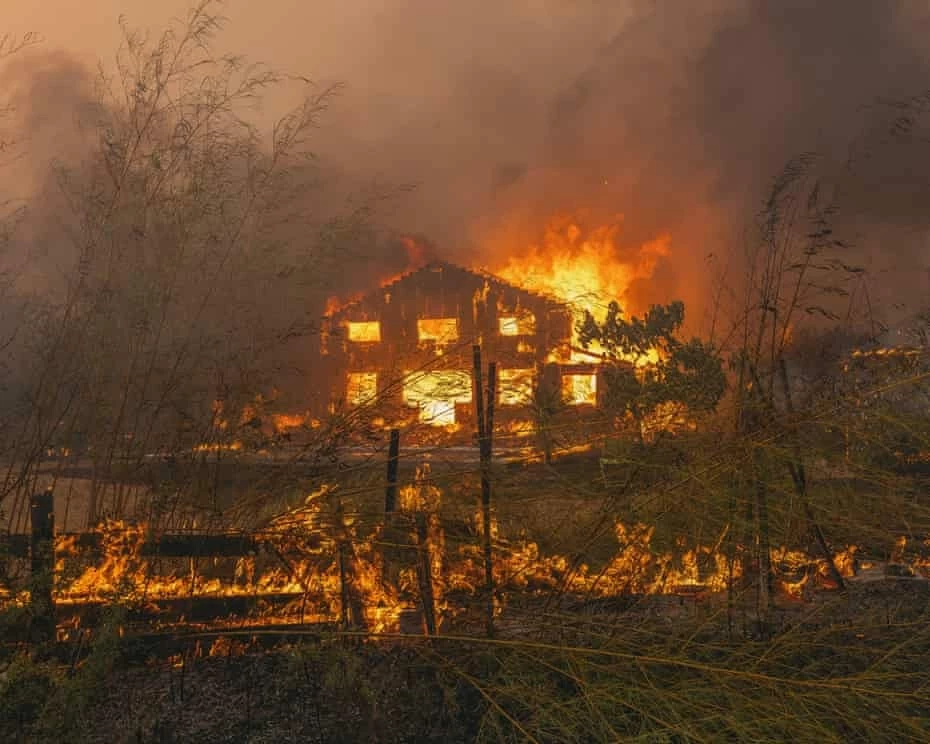
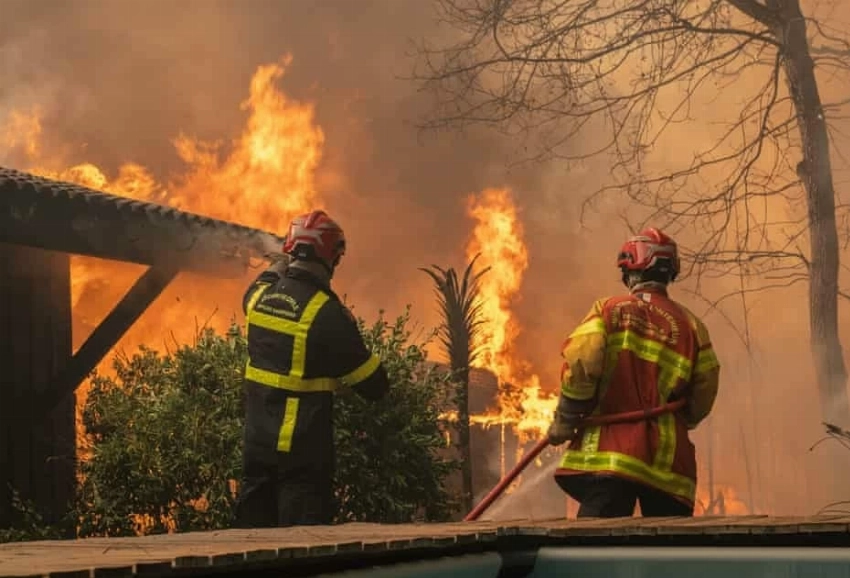
تواجه عدة دول أوروبية واحدة من أخطر موجات حرائق الغابات في السنوات الأخيرة، مع استمرار انتشار النيران في فرنسا وإسبانيا واسكتلندا بفعل موجات الحر الشديدة والجفاف والرياح القوية، ما أجبر السلطات على إجلاء مئات الآلاف من السكان، وإعلان حالات الطوارئ، والاستعانة بالقوات المسلحة والطائرات العسكرية لاحتواء الكارثة.
وفي فرنسا، واصلت حرائق الغابات زحفها نحو المناطق المحيطة بمدينة بوردو، ما دفع السلطات، اليوم (السبت)، إلى إجلاء آلاف السكان من ضواحي المدينة، بعد أن امتدت النيران إلى مناطق لو هايان وإيزين وميرينياك، وسط مخاوف من استمرار اتساع رقعتها.
وأكدت رئيسة الإدارة المحلية لإقليم نوفيل آكيتين وجيروند، صوفي بروكاس، تنفيذ عمليات الإخلاء لحماية السكان مع استمرار اشتعال الحرائق.
وأعلن رئيس الوزراء الفرنسي سيباستيان لوكورنو أن عدد الذين تم إجلاؤهم من إقليمي جيروند ولاند تجاوز 141 ألف شخص منذ اندلاع الحرائق مطلع الأسبوع الحالي، واصفاً الوضع بأنه غير مسبوق، قائلاً إن الحرائق بلغت مستوى «لم تشهده البلاد من قبل».
كما أعلن مشاركة الجيش في جهود مكافحة النيران، وطلب الدفع بطائرة النقل العسكرية إيرباص A400M قبل الموعد المقرر لدعم عمليات الإطفاء.
وفي إطار تعزيز جهود المواجهة، فعّل الرئيس الفرنسي إيمانويل ماكرون آلية الحماية المدنية التابعة للاتحاد الأوروبي، لتلقي دعم جوي من عدة دول، من بينها كرواتيا والبرتغال والتشيك وسلوفاكيا.
كما كشف وزير الداخلية لوران نونيز أن 32 حريقاً لا تزال مشتعلة في أنحاء البلاد، بعدما التهمت النيران نحو 50 ألف هكتار منذ بداية العام، وهو ما يعادل أربعة أضعاف المساحات التي احترقت خلال الفترة نفسها من العام الماضي.
وفي إسبانيا، أعلنت الحكومة حالة الطوارئ الوطنية بعد أن اقتربت الحرائق من العاصمة مدريد وإقليم أفيلا المجاور، ما أدى إلى إجلاء أو عزل أكثر من 63 ألف شخص.
ووصف المسؤولون الوضع بأنه «بالغ الخطورة»، محذرين من أن الرياح المتقلبة قد تؤدي إلى تفاقم الحرائق، رغم تحسن نسبي في درجات الحرارة والرطوبة خلال الساعات الأولى من اليوم.
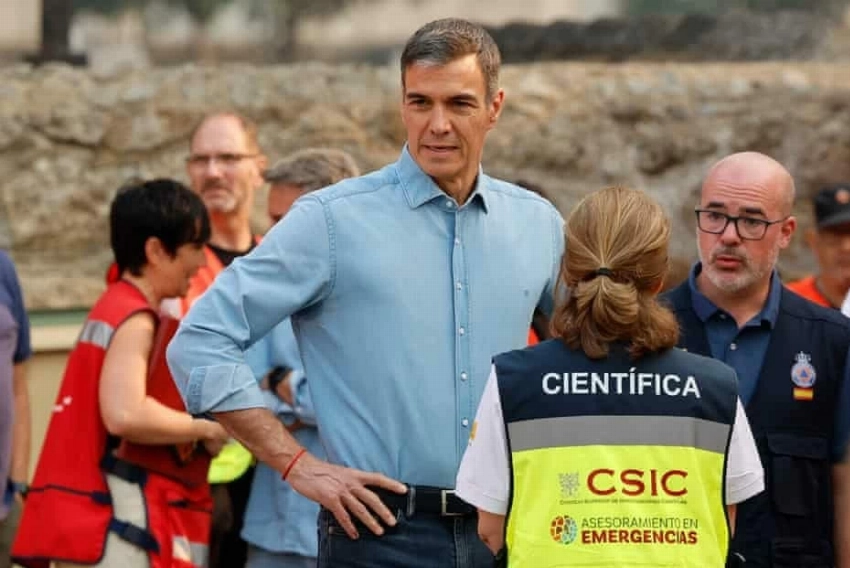
فيما ترأس رئيس الوزراء الإسباني بيدرو سانشيز اجتماعاً طارئاً للحكومة لمتابعة تطورات الأزمة، مؤكداً أن جميع إمكانات الدولة سُخرت لمواجهة الحرائق، قبل أن يتوجه إلى المناطق المتضررة قرب مدريد، حيث أتت النيران على نحو 25 ألف هكتار من الأراضي.
وامتدت الأزمة إلى المملكة المتحدة، إذ أعلنت السلطات الاسكتلندية حالة طوارئ إثر حريق ضخم اندلع في متنزه كيرنجورمز الوطني، وأدى إلى إجلاء سكان قرية نيثي بريدج بالكامل، وإغلاق جميع الطرق المؤدية إليها، بعدما ساهمت الرياح في تسارع انتشار النيران.
وأكد الوزير الأول الاسكتلندي جون سويني أن الوضع لا يزال خطيراً للغاية، مشيراً إلى أن فرق الإطفاء والشرطة تواصل إنشاء خطوط عازلة وإجلاء السكان لحماية الأرواح والممتلكات.
وتعكس الحرائق المتزامنة حجم التأثير المتزايد لموجات الحر والجفاف التي تضرب القارة الأوروبية هذا الصيف، إذ تشهد فرنسا انخفاضاً تاريخياً في منسوب الأنهار وجفافاً واسعاً للمجاري المائية، وهو ما ساهم في تهيئة الظروف لانتشار الحرائق بوتيرة غير مسبوقة، وسط تحذيرات من استمرار المخاطر خلال الأيام القادمة إذا استمرت الأحوال الجوية القاسية.
Several European countries are facing one of the most dangerous waves of wildfires in recent years, as the flames continue to spread in France, Spain, and Scotland due to severe heatwaves, drought, and strong winds, forcing authorities to evacuate hundreds of thousands of residents, declare states of emergency, and call in the armed forces and military aircraft to contain the disaster.
In France, wildfires continued their advance towards the areas surrounding the city of Bordeaux, prompting authorities today (Saturday) to evacuate thousands of residents from the city's suburbs, after the flames spread to the areas of Le Haillan, Eysines, and Mérignac, amid fears of further expansion.
The head of the local administration for the Nouvelle-Aquitaine and Gironde regions, Sophie Brocas, confirmed the implementation of evacuation operations to protect residents as the fires continue to blaze.
French Prime Minister Sébastien Lecornu announced that the number of people evacuated from the Gironde and Landes regions has exceeded 141,000 since the fires broke out earlier this week, describing the situation as unprecedented, stating that the fires have reached a level "not seen in the country before."
He also announced the military's participation in firefighting efforts and requested the deployment of the Airbus A400M military transport aircraft ahead of schedule to support firefighting operations.
As part of enhancing response efforts, French President Emmanuel Macron activated the EU Civil Protection Mechanism to receive aerial support from several countries, including Croatia, Portugal, the Czech Republic, and Slovakia.
Interior Minister Laurent Nuñez revealed that 32 fires are still burning across the country, having consumed about 50,000 hectares since the beginning of the year, which is four times the area burned during the same period last year.
In Spain, the government declared a national state of emergency after the fires approached the capital Madrid and the neighboring province of Ávila, leading to the evacuation or isolation of more than 63,000 people.
Officials described the situation as "extremely serious," warning that changing winds could exacerbate the fires, despite a relative improvement in temperatures and humidity during the early hours of the day.
Meanwhile, Spanish Prime Minister Pedro Sánchez chaired an emergency government meeting to monitor the developments of the crisis, confirming that all state resources have been mobilized to combat the fires, before heading to the affected areas near Madrid, where the flames have consumed about 25,000 hectares of land.
The crisis has extended to the United Kingdom, as Scottish authorities declared a state of emergency following a massive fire that broke out in the Cairngorms National Park, leading to the complete evacuation of residents from the village of Nethy Bridge and the closure of all roads leading to it, as the winds contributed to the rapid spread of the flames.
Scottish First Minister John Swinney confirmed that the situation remains extremely dangerous, noting that firefighting and police teams continue to establish containment lines and evacuate residents to protect lives and property.
The simultaneous wildfires reflect the increasing impact of heatwaves and drought affecting the European continent this summer, as France experiences a historic drop in river levels and widespread drying of waterways, which has contributed to creating conditions for the unprecedented spread of fires, amid warnings of continued risks in the coming days if severe weather conditions persist.