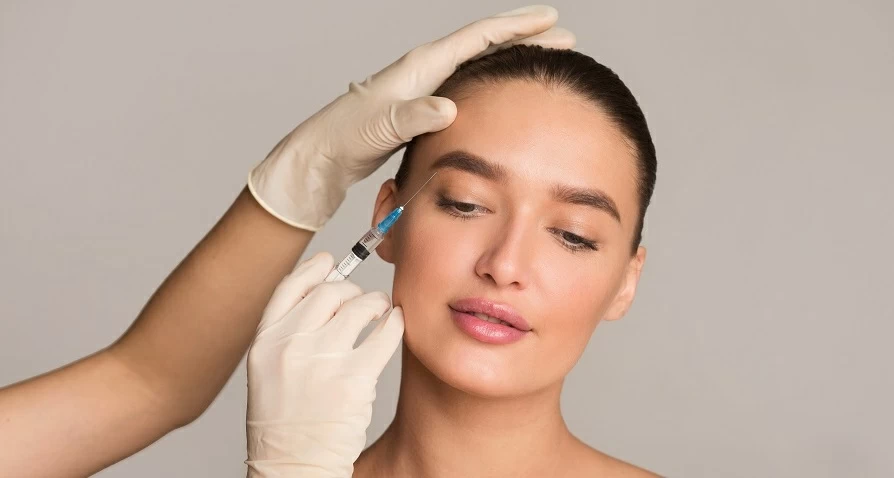
أطلقت السلطات الصحية البريطانية تحذيرات مشددة من مخاطر استخدام حقن البوتوكس المقلدة وغير المرخصة، بعد تسجيل عشرات حالات التسمم الخطيرة التي استدعت إدخال عدد من المرضى إلى وحدات العناية المركزة، فيما وصلت بعض الإصابات إلى مرحلة تهديد الحياة.
وأعلنت وكالة تنظيم الأدوية ومنتجات الرعاية الصحية البريطانية (MHRA) تعزيز التحذيرات الخاصة بمنتجات سم البوتولينوم المستخدمة في الإجراءات التجميلية، عقب ارتفاع ملحوظ في أعداد المرضى الذين تعرضوا لمضاعفات صحية خطيرة نتيجة استخدام منتجات غير معتمدة أو مقلدة.
وأكدت الوكالة أن ملصقات التحذير على عبوات هذه المنتجات والنشرات المرفقة بها ستصبح أكثر وضوحًا، مع التشديد على ضرورة الانتباه إلى أعراض قد تظهر خلال شهر من تلقي الحقن، مثل صعوبة البلع، وتلعثم الكلام، وضعف العضلات، وصعوبة التنفس، وهي أعراض قد تشير إلى الإصابة بالتسمم الوشيقي الذي يستدعي تدخلاً طبيًا عاجلًا.
ويعد البوتوكس من أكثر الإجراءات التجميلية انتشارًا في بريطانيا، إذ يُقدر عدد جلسات الحقن بنحو 900,000 عملية سنويًا، ويستخدم لتقليل التجاعيد من خلال مادة سم البوتولينوم التي تعمل على إرخاء العضلات مؤقتًا. إلا أن الجهات الصحية تؤكد أن استخدام منتجات غير مرخصة أو إعطاء الحقن بطرق غير صحيحة قد يحول هذا الإجراء التجميلي إلى خطر صحي جسيم.
ومن بين أبرز الحالات التي أثارت القلق، حالة البريطانية كايلي بيلي من مدينة بيترلي في مقاطعة دورهام، التي خضعت لثلاث حقن مضادة للتجاعيد مقابل 75 جنيهًا إسترلينيًا، بعدما أغراها انخفاض التكلفة مقارنة بجلسات سابقة.
وبعد أيام قليلة بدأت تعاني اضطرابات في الرؤية، وشخصت حالتها في البداية على أنها تدلٍّ في الجفن، قبل أن تتدهور حالتها سريعًا وتنقل إلى المستشفى، إذ تبين إصابتها بالتسمم الوشيقي الناتج عن حقنها بمنتج غير قانوني يعرف باسم «توكسبيا»، وهو منتج يحاكي البوتوكس.
وأمضت بيلي ثلاثة أيام في وحدة العناية المركزة، وتلقت علاجًا بمضاد السموم، فيما اضطر الأطباء إلى إنعاشها بعد توقفها عن التنفس في إحدى المراحل، وقالت لاحقًا إنها شعرت بأنها كانت على وشك الموت.
وأظهرت بيانات وكالة الأمن الصحي البريطانية تسجيل ما لا يقل عن 38 حالة تسمم مرتبطة بمنتجات سم البوتولينوم غير المرخصة خلال العام الماضي، بينها 28 حالة في شمال شرق إنجلترا، فيما استقبل أحد أقسام الطوارئ في مقاطعة دورهام خمسة مصابين في ليلة واحدة خلال يونيو الماضي، وجميعهم تعرضوا لمضاعفات بعد تلقي حقن تجميلية مقلدة.
The British health authorities have issued stern warnings about the dangers of using counterfeit and unlicensed Botox injections, following the registration of dozens of serious poisoning cases that required the admission of several patients to intensive care units, with some injuries reaching life-threatening stages.
The UK Medicines and Healthcare products Regulatory Agency (MHRA) announced the enhancement of warnings regarding botulinum toxin products used in cosmetic procedures, following a noticeable increase in the number of patients who experienced serious health complications as a result of using unapproved or counterfeit products.
The agency confirmed that warning labels on the packaging of these products and the accompanying leaflets will become more prominent, emphasizing the need to be aware of symptoms that may appear within a month of receiving the injections, such as difficulty swallowing, slurred speech, muscle weakness, and difficulty breathing, which are symptoms that may indicate botulinum poisoning requiring urgent medical intervention.
Botox is one of the most popular cosmetic procedures in the UK, with an estimated 900,000 injection sessions conducted annually, used to reduce wrinkles through the botulinum toxin that temporarily relaxes muscles. However, health authorities stress that using unlicensed products or administering injections incorrectly can turn this cosmetic procedure into a serious health risk.
Among the most concerning cases is that of British woman Kylie Bailey from Peterlee in County Durham, who underwent three anti-wrinkle injections for £75, lured by the lower cost compared to previous sessions.
After a few days, she began to experience vision disturbances, and her condition was initially diagnosed as eyelid drooping, before rapidly deteriorating and requiring hospitalization, where it was revealed that she had suffered from botulinum poisoning due to being injected with an illegal product known as "Toxbia," which mimics Botox.
Bailey spent three days in the intensive care unit and received treatment with an antitoxin, while doctors had to resuscitate her after she stopped breathing at one point, later stating that she felt she was on the verge of death.
Data from the UK Health Security Agency showed that at least 38 poisoning cases related to unlicensed botulinum toxin products were recorded last year, including 28 cases in the northeast of England, while one emergency department in County Durham received five patients in one night last June, all of whom experienced complications after receiving counterfeit cosmetic injections.