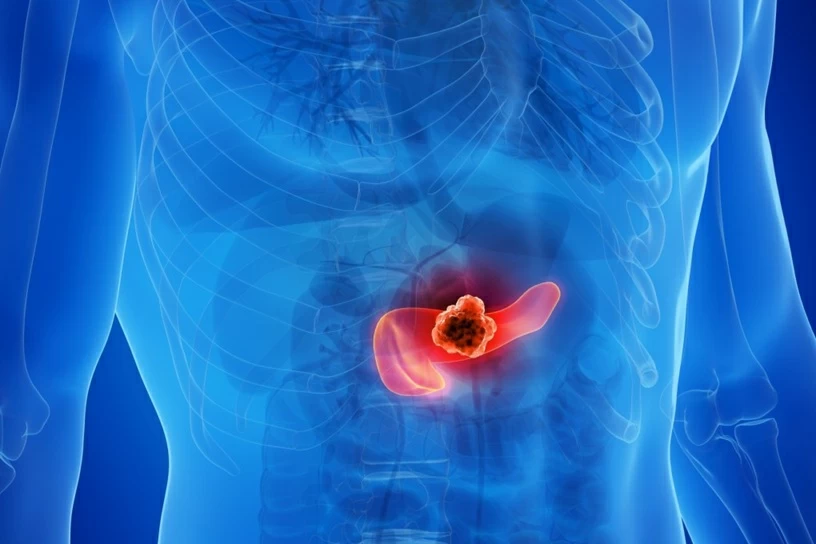
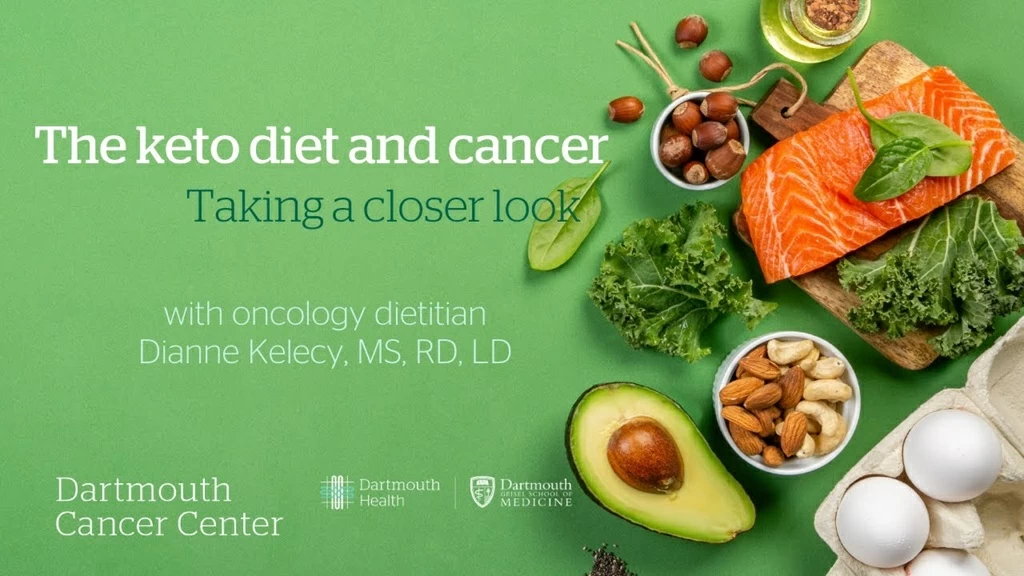
كشفت دراسة حديثة نُشرت في مجلة (نايتشر) العلمية عن نتائج غير متوقعة بشأن تأثير نظام الكيتو الغذائي على الأورام السرطانية، إذ تبين أن فاعلية هذا النظام تعتمد بصورة كاملة على موقع الإصابة داخل الجهاز الهضمي، حيث أظهرت التجارب أنه قد يسرّع نمو الأورام في الأمعاء الدقيقة، بينما يحدّ منها في القولون، ما يضع واحدة من أشهر الحميات الغذائية تحت مجهر علمي جديد.
ولسنوات طويلة، ارتبطت فوائد الكيتو بما يُعرف بـ«أجسام الكيتون» التي ينتجها الجسم عند اتباع هذا النظام؛ باعتبارها المسؤولة عن التأثيرات المضادة للسرطان. غير أن فريقًا بحثيًا من معهد ماساتشوستس للتكنولوجيا (MIT)، بقيادة عالم الأحياء عمر يلماز، توصّل إلى أن المحرك الحقيقي لهذه التأثيرات ليس الكيتونات، بل طريقة تعامل الخلايا المعوية مع الدهون عبر عمليات التمثيل الغذائي.
ووفق ما أورده موقع (سينس أليرت)، أوضح الباحثون أن عملية حرق الدهون للحصول على الطاقة، أو ما يُعرف بأكسدة الأحماض الدهنية، تنشّط بروتينات (PPARs) التي تدفع الخلايا الجذعية المعوية إلى الانقسام بوتيرة أسرع. ورغم أن هذا النشاط يعزز قدرة الأمعاء الدقيقة على ترميم الأنسجة التالفة، فإنه يزيد في الوقت ذاته احتمالات تحوّل تلك الخلايا إلى خلايا سرطانية.
ونقل الموقع عن الدكتور عمر يلماز قوله إن «زيادة نشاط الخلايا الجذعية يمنح الأمعاء قدرة أفضل على إصلاح نفسها، لكن الجانب السلبي هو أن هذا النشاط قد يفتح الباب أمام تكوّن الأورام». وأظهرت الدراسة أن الفئران التي اتبعت نظام الكيتو أصيبت بأورام في الأمعاء الدقيقة بمعدلات مماثلة، بل وأعلى أحيانًا، من تلك التي اتبعت حمية غنية بالدهون والسعرات الحرارية، رغم احتفاظها بوزن مثالي. وفي المقابل، ظل النظام الغذائي يقدم تأثيرًا وقائيًا ضد أورام القولون، بما يتسق مع نتائج أبحاث سابقة.
ويشير الباحثون إلى أن هذه النتائج، رغم أهميتها، تستند إلى نماذج حيوانية مهيأة وراثيًا، ما يستدعي إجراء المزيد من الدراسات لتحديد ما إذا كانت الآليات البيولوجية ذاتها تنطبق على البشر. كما توضح الدراسة أن مكملات الكيتون التجارية قد لا توفر التأثيرات الوقائية أو المخاطر نفسها؛ لأن التأثيرات مرتبطة بتمثيل الدهون داخل الخلايا وليس بارتفاع مستويات الكيتونات في الدم.
ويعمل الفريق البحثي حاليًا على فهم أسباب التباين اللافت في استجابة أجزاء متجاورة من الجهاز الهضمي لنظام الكيتو، في خطوة تهدف إلى كشف العلاقة المعقدة بين الغذاء والتمثيل الغذائي وتطور السرطان، وفتح الباب أمام مقاربات غذائية أكثر دقة في التعامل مع الأمراض السرطانية.
A recent study published in the scientific journal (Nature) revealed unexpected results regarding the impact of the keto diet on cancer tumors, showing that the effectiveness of this diet is entirely dependent on the location of the tumor within the digestive system. Experiments demonstrated that it may accelerate tumor growth in the small intestine while limiting it in the colon, placing one of the most famous diets under a new scientific microscope.
For many years, the benefits of keto have been linked to what are known as "ketone bodies" produced by the body when following this diet, as they are believed to be responsible for the anti-cancer effects. However, a research team from the Massachusetts Institute of Technology (MIT), led by biologist Omar Yilmaz, found that the true driver of these effects is not the ketones, but rather the way intestinal cells handle fats through metabolic processes.
According to what was reported by (Science Alert), the researchers explained that the process of burning fats for energy, known as fatty acid oxidation, activates (PPARs) proteins that drive intestinal stem cells to divide at a faster rate. While this activity enhances the small intestine's ability to repair damaged tissues, it simultaneously increases the likelihood of those cells transforming into cancerous cells.
The site quoted Dr. Omar Yilmaz as saying, "Increased stem cell activity gives the intestine a better ability to repair itself, but the downside is that this activity may open the door to tumor formation." The study showed that mice on the keto diet developed tumors in the small intestine at rates similar to, and sometimes higher than, those on a diet rich in fats and calories, despite maintaining an ideal weight. In contrast, the diet continued to provide a protective effect against colon tumors, consistent with previous research findings.
The researchers point out that these results, despite their importance, are based on genetically engineered animal models, necessitating further studies to determine whether the same biological mechanisms apply to humans. The study also clarifies that commercial ketone supplements may not provide the same protective effects or risks, as the effects are linked to fat metabolism within cells and not to elevated ketone levels in the blood.
The research team is currently working to understand the striking differences in the response of adjacent parts of the digestive system to the keto diet, in a step aimed at uncovering the complex relationship between food, metabolism, and cancer development, and paving the way for more precise dietary approaches in dealing with cancer diseases.