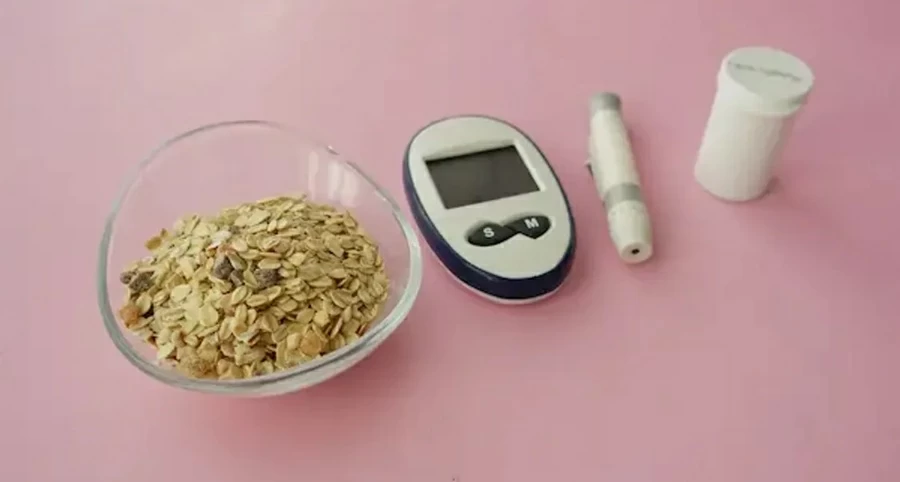
أظهرت دراسة حديثة أن الألياف القابلة للذوبان الموجودة في الشوفان قد تلعب دورًا مهمًا في الحدِّ من تلف الكبد وتحسين صحة الأمعاء لدى المصابين بداء السكري من النوع الثاني؛ بفضل قدرتها على تحسين مستويات السكر في الدم وتقليل الالتهابات المرتبطة بالمرض.
الدراسة، التي نُشرت في مجلة Nutrients العلمية، ركزت على مادة بيتا جلوكان؛ وهي أحد أنواع الألياف الغذائية المتوافرة بكثرة في الشوفان ونخالته، وأثبتت نتائج إيجابية خلال تجارب أُجريت على فئران مصابة بالسكري من النوع الثاني.
وخلال التجارب، تلقّت الفئران جرعات يومية متفاوتة من بيتا جلوكان لمدة عشرة أسابيع، ليتبين أن هذه الألياف ساعدت على تحسين مستويات سكر الدم وتعزيز قدرة الجسم على تحمل الغلوكوز، إلى جانب الحدِّ من تلف خلايا الكبد. كما رصد الباحثون انخفاضًا في مستويات الدهون الثلاثية وبعض إنزيمات الكبد، إضافة إلى تراجع المواد المحفزة للالتهابات؛ ومن بينها بروتين إنترلوكين-6 المرتبط بالاستجابة الالتهابية في الجسم.
وأرجع الباحثون هذه الفوائد إلى التغيرات التي أحدثتها بيتا جلوكان في البكتيريا النافعة داخل الأمعاء، إذ زادت أعداد الكائنات الدقيقة التي تدعم سلامة حاجز الأمعاء، مقابل انخفاض الأنواع المرتبطة بالالتهابات، ما يعزز التوازن الميكروبي ويحد من التأثيرات السلبية للسكري على الجهاز الهضمي.
وفي سياق متصل، دعمت دراسة سابقة أجراها باحثون من جامعة برشلونة هذه النتائج، إذ أشارت إلى أن أصناف الشعير الغنية ببيتا جلوكان تسهم في تعزيز إنتاج البيوتيرات، وهو حمض دهني قصير السلسلة يُعد مصدرًا مهمًا للطاقة لخلايا جدار الأمعاء، ويمتلك قدرة على تقليل الالتهابات وتحسين صحة الجهاز الهضمي. كما أوضحت الدراسة أن النظام الغذائي الغني بالألياف القابلة للتخمّر ومركبات البوليفينولات يساعد على تحسين توازن ميكروبات الأمعاء وتعزيز الاستجابة المناعية، ما يفتح الباب أمام استراتيجيات غذائية داعمة لصحة مرضى السكري من النوع الثاني.
A recent study has shown that the soluble fibers found in oats may play an important role in reducing liver damage and improving gut health in individuals with type 2 diabetes; thanks to their ability to improve blood sugar levels and reduce inflammation associated with the disease.
The study, published in the scientific journal Nutrients, focused on beta-glucan, which is a type of dietary fiber abundant in oats and oat bran, and demonstrated positive results during experiments conducted on mice with type 2 diabetes.
During the experiments, the mice received varying daily doses of beta-glucan for ten weeks, revealing that this fiber helped improve blood sugar levels and enhanced the body's ability to tolerate glucose, in addition to reducing liver cell damage. Researchers also observed a decrease in triglyceride levels and some liver enzymes, along with a reduction in inflammatory markers, including Interleukin-6 protein associated with the inflammatory response in the body.
The researchers attributed these benefits to the changes that beta-glucan induced in beneficial gut bacteria, as it increased the number of microorganisms that support the integrity of the gut barrier, while decreasing the types associated with inflammation, thus enhancing microbial balance and mitigating the negative effects of diabetes on the digestive system.
In a related context, a previous study conducted by researchers from the University of Barcelona supported these findings, indicating that barley varieties rich in beta-glucan contribute to enhancing the production of butyrate, a short-chain fatty acid that serves as an important energy source for the intestinal wall cells and has the ability to reduce inflammation and improve digestive health. The study also clarified that a diet rich in fermentable fibers and polyphenol compounds helps improve the balance of gut microbes and enhance immune response, opening the door for dietary strategies that support the health of individuals with type 2 diabetes.