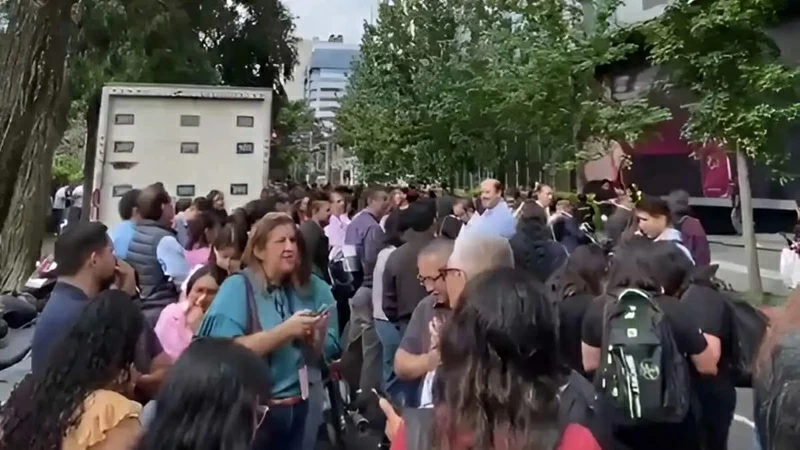
استنفرت السلطات في المكسيك ودول الجوار، الجمعة، عقب زلزال قوي بلغت شدته 7.3 درجة على مقياس ريختر ضرب الساحل الجنوبي للمكسيك وامتدت ارتداداته إلى غواتيمالا والسلفادور، ما دفع الجهات المختصة إلى إطلاق تحذيرات احترازية من احتمال تشكل أمواج تسونامي، وسط متابعة ميدانية واسعة لتقييم الموقف وتفعيل خطط الاستجابة للطوارئ.
وأفادت هيئة المسح الجيولوجي الأمريكية بأن مركز الزلزال وقع على بعد 48 كيلومترًا جنوب غربي بلدة أكيليس سيردان التابعة لولاية تشياباس الساحلية، فيما سجلت المنطقة سلسلة من الهزات الارتدادية تراوحت بين المتوسطة والقوية، بحسب ما أوردته شبكة CNN.
وفي أعقاب الزلزال، أصدر مركز التحذير من تسونامي في المحيط الهادئ تنبيهًا بشأن احتمال تشكل أمواج تسونامي خطرة ضمن نطاق يصل إلى 300 كيلومتر من مركز الزلزال، موضحًا أن ارتفاع الأمواج قد يبلغ نحو متر واحد فوق مستوى المد على أجزاء من السواحل المكسيكية والغواتيمالية.
ورغم قوة الزلزال، أكدت السلطات المكسيكية أن المؤشرات الأولية لا تشير إلى وقوع خسائر جسيمة. وقال وزير البحرية المكسيكي رايموندو بيدرو موراليس أنخيليس إن عمليات التقييم الميداني لم تكشف عن أضرار كبيرة، مشيرًا إلى أن التأثير الأبرز يتمثل في احتمال ارتفاع منسوب المياه على بعض الشواطئ بنحو نصف متر، داعيًا المواطنين إلى تجنب الاقتراب من السواحل حتى انتهاء التحذيرات الاحترازية.
من جهته، أوضح حاكم ولاية أواكساكا سالومون خارا كروز أن سكان عاصمة الولاية شعروا بالهزة الأرضية بدرجة متوسطة، مؤكدًا أن السلطات المحلية لم تسجل حتى الآن أي أضرار كبيرة أو خسائر تستدعي القلق.
وفي غواتيمالا، أعلن الرئيس برناردو أريفالو عدم ورود أي تقارير عن وقوع ضحايا حتى الآن، لافتًا إلى أن أجهزة الدولة باشرت تنفيذ خطط الاستجابة للطوارئ واتخاذ التدابير الوقائية اللازمة تحسبًا لأي تطورات.
أما في السلفادور، فأكدت إدارة الإطفاء أن فرقها لم ترصد أي أضرار ناجمة عن الزلزال، فيما تواصل السلطات مراقبة الوضع بالتنسيق مع الجهات المختصة في المنطقة.
ويأتي هذا الزلزال في ظل النشاط الزلزالي المعروف بمنطقة المحيط الهادئ، التي تُعد جزءًا من «حزام النار»، أحد أكثر الأحزمة الجيولوجية نشاطًا في العالم، حيث تتكرر الزلازل والبراكين بفعل حركة الصفائح التكتونية.
The authorities in Mexico and neighboring countries were on high alert on Friday following a strong earthquake measuring 7.3 on the Richter scale that struck the southern coast of Mexico, with its aftershocks extending to Guatemala and El Salvador. This prompted relevant agencies to issue precautionary warnings about the potential formation of tsunami waves, amidst extensive field monitoring to assess the situation and activate emergency response plans.
The U.S. Geological Survey reported that the epicenter of the earthquake was located 48 kilometers southwest of the town of Aquiles Serdán in the coastal state of Chiapas, while the region recorded a series of aftershocks ranging from moderate to strong, according to CNN.
In the aftermath of the earthquake, the Pacific Tsunami Warning Center issued an alert regarding the potential formation of dangerous tsunami waves within a range of up to 300 kilometers from the earthquake's epicenter, indicating that wave heights could reach about one meter above sea level along parts of the Mexican and Guatemalan coasts.
Despite the strength of the earthquake, Mexican authorities confirmed that initial indicators did not suggest any significant damage. Mexican Navy Minister Raimundo Pedro Morales Ángeles stated that field assessment operations did not reveal any major damages, noting that the most significant impact was the potential rise in water levels on some beaches by about half a meter, urging citizens to avoid approaching the coasts until the precautionary warnings were lifted.
For his part, the governor of Oaxaca, Salomón Jara Cruz, explained that residents of the state capital felt the tremor at a moderate level, confirming that local authorities had not recorded any significant damages or losses that would warrant concern.
In Guatemala, President Bernardo Arévalo announced that there had been no reports of casualties so far, noting that state agencies had begun implementing emergency response plans and taking necessary precautionary measures in anticipation of any developments.
In El Salvador, the fire department confirmed that its teams had not detected any damage resulting from the earthquake, while authorities continued to monitor the situation in coordination with relevant agencies in the region.
This earthquake comes amid the seismic activity known in the Pacific region, which is part of the "Ring of Fire," one of the most geologically active belts in the world, where earthquakes and volcanoes frequently occur due to tectonic plate movements.