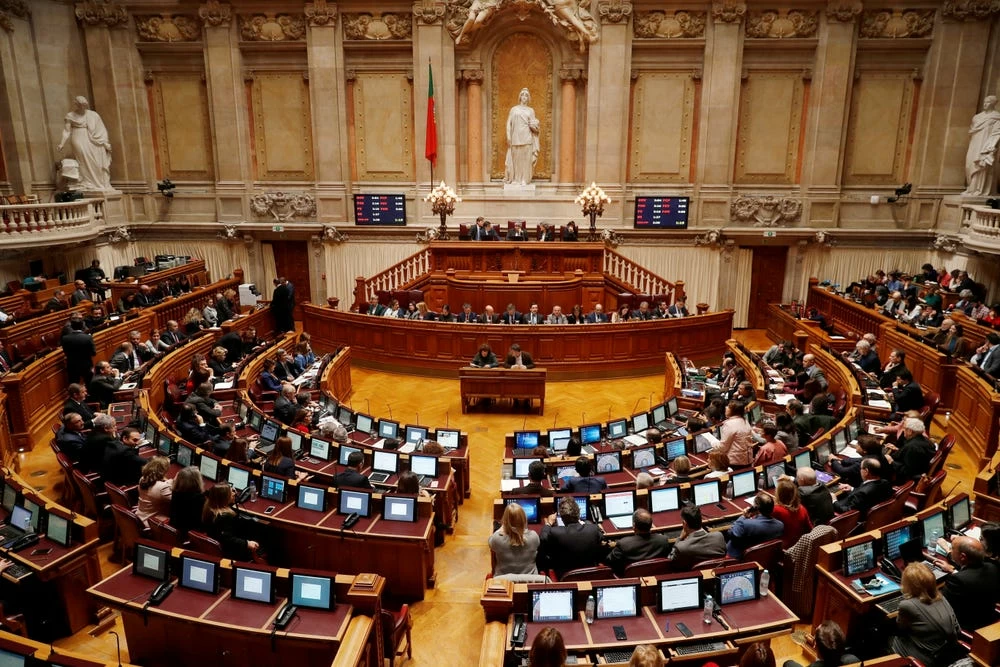
وافق البرلمان البرتغالي، في مرحلة اللجنة، على مشروع قانون يقضي بحظر تغطية الوجه في الأماكن العامة، في خطوة بررتها الحكومة بدواعٍ تتعلق بالأمن العام وتسهيل التحقق من هوية الأشخاص، فيما لا يزال المشروع بحاجة إلى استكمال مراحله التشريعية قبل دخوله حيز التنفيذ.
وحظي المشروع بدعم أحزاب «الحزب الديموقراطي الاجتماعي» (PSD)، و«شيغا»، و«مبادرة ليبرالية» (IL)، و«CDS»)، في حين عارضته أحزاب اليسار، التي اعتبرت أن القانون قد يفرض قيودًا على الحريات الشخصية والدينية.
من «قانون البوركا» إلى الأمن العام
وكان حزب «شيغا» قد تقدم بالمقترح في البداية تحت اسم «قانون البوركا»، قبل أن يُعدل الحزب الديموقراطي الاجتماعي صياغته ليصبح قانونًا عامًا يحظر تغطية الوجه في الأماكن العامة لأسباب تتعلق بالأمن والنظام العام، دون الإشارة صراحة إلى النقاب أو البرقع أو أي زي ديني بعينه.
غرامات بدلًا من السجن
واستبدلت النسخة المعدلة العقوبات السجنية المنصوص عليها في المقترح الأول بعقوبات إدارية، تشمل غرامات مالية للمخالفين، في إطار توجه يهدف إلى تطبيق القانون باعتباره إجراءً تنظيميًا وليس عقابيًا.
انقسام سياسي
ويرى مؤيدو المشروع أن حظر تغطية الوجه يسهم في تعزيز السلامة العامة، ويسهل على السلطات التحقق من هوية الأشخاص في الأماكن العامة، بينما يؤكد معارضوه أن القانون قد يحد من بعض الحريات الفردية، رغم أن نصه لا يستهدف أي فئة دينية بشكل مباشر.
ولا يزال المشروع بحاجة إلى استكمال الإجراءات التشريعية داخل البرلمان البرتغالي قبل إقراره نهائيًا ودخوله حيز التنفيذ.
The Portuguese parliament, at the committee stage, approved a bill that prohibits face covering in public places, a move justified by the government on grounds related to public security and facilitating the verification of individuals' identities, while the bill still needs to complete its legislative stages before coming into effect.
The bill received support from the parties "Social Democratic Party" (PSD), "Chega," "Liberal Initiative" (IL), and "CDS," while it was opposed by leftist parties, which argued that the law could impose restrictions on personal and religious freedoms.
From the "Burqa Law" to Public Security
The "Chega" party initially presented the proposal under the name "Burqa Law," before the Social Democratic Party revised its wording to become a general law prohibiting face covering in public places for reasons related to security and public order, without explicitly referring to the niqab, burqa, or any specific religious attire.
Fines Instead of Imprisonment
The amended version replaced the prison penalties stipulated in the initial proposal with administrative penalties, including financial fines for violators, as part of an approach aimed at enforcing the law as a regulatory measure rather than a punitive one.
Political Division
Supporters of the bill believe that banning face covering contributes to enhancing public safety and makes it easier for authorities to verify individuals' identities in public places, while its opponents assert that the law could limit certain individual freedoms, even though its text does not directly target any religious group.
The bill still needs to complete the legislative procedures within the Portuguese parliament before being finally approved and coming into effect.