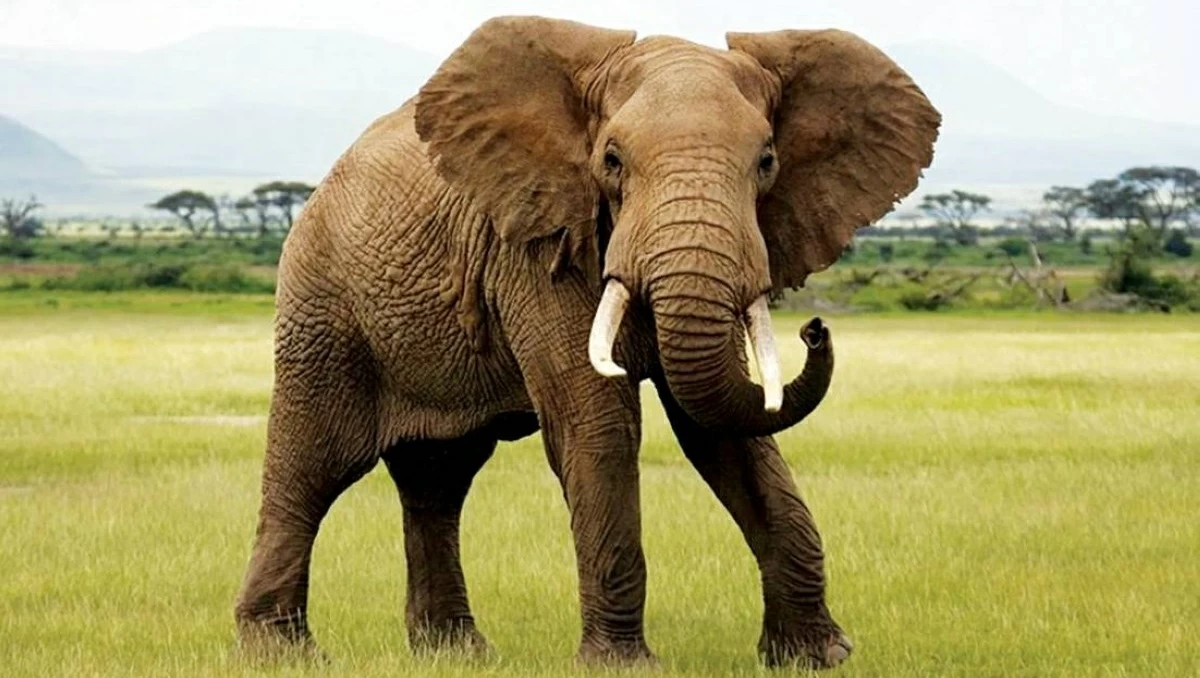
في حادثة تعكس عمق الصراع بين الإنسان والحياة البرية، عاش مواطن نيبالي يُدعى شانيتشارا بوت مأساة جديدة بعدما فقد زوجة ابنه وحفيده البالغ من العمر أربع سنوات؛ إثر هجوم نفّذه فيل بري شديد الخطورة، وهو الحيوان نفسه الذي تسبب قبل 12 عامًا في مقتل والديه رغم انتقال العائلة إلى منطقة أخرى هربًا من تهديداته.
وتعود القصة إلى عام 2012 حين هاجم الفيل المعروف باسم (دوربي) والديّ بوت في منطقة مادي؛ ما دفعه لاحقًا إلى بيع ممتلكاته والانتقال مع أسرته إلى منطقة جاغاتبور عبر نهر رابتي، اعتقادًا منه أن المسافة والمجاري المائية ستوفر حاجزًا طبيعيًا يحميهم. إلا أن الفيل نفسه تمكن من الوصول إلى منزلهم الجديد، ليُنهي حياة فردين آخرين من العائلة في حادثة صادمة وغير مألوفة.
ويُعد (دوربي) أحد أخطر الفيلة في نيبال، إذ تشير سجلات محمية شيتوان الوطنية إلى أنه تسبب في مقتل 25 شخصًا على الأقل خلال 23 عامًا داخل حدود المحمية وخارجها. وتستخدم السلطات طوقًا لتتبعه عبر الأقمار الصناعية بسبب عدوانيته المرتفعة، فيما أكد مسؤولون أن الحادث الأخير رفع حصيلة ضحاياه المؤكدة إلى 25 قتيلًا.
ويربط خبراء الحياة البرية السلوك العنيف للفيل بطبيعة الصراع داخل قطعان الفيلة؛ إذ تتعرض الذكور الشابة للطرد من قبل الذكور المهيمنة، ما يدفعها إلى العيش منفردة والاقتراب من التجمعات البشرية بحثًا عن الغذاء، وهو ما يزيد احتمالات وقوع هجمات.
ورغم أن هجمات الفيلة ليست نادرة في الهند ونيبال، فإن ملاحقة فيل واحد لعائلة واحدة في موقعين مختلفين تبقى حالة استثنائية تُبرز تعقيدات التعايش بين الإنسان والحياة البرية في المناطق المتداخلة بيئيًا.
In an incident that reflects the depth of the conflict between humans and wildlife, a Nepali citizen named Shanichara Bhut experienced a new tragedy after losing his son's wife and his four-year-old grandson; as a result of an attack carried out by a highly dangerous wild elephant, the same animal that caused the death of his parents 12 years ago, despite the family moving to another area to escape its threats.
The story dates back to 2012 when the elephant known as (Dorbi) attacked Bhut's parents in the Madi area; this later prompted him to sell his possessions and move with his family to the Jagatpur area across the Rapti River, believing that the distance and waterways would provide a natural barrier to protect them. However, the same elephant managed to reach their new home, ending the lives of two more family members in a shocking and unusual incident.
(Dorbi) is considered one of the most dangerous elephants in Nepal, as records from Chitwan National Park indicate that it has caused the deaths of at least 25 people over 23 years, both inside and outside the park boundaries. Authorities use a collar to track it via satellite due to its high aggression, while officials confirmed that the recent incident raised its confirmed victim count to 25 fatalities.
Wildlife experts link the elephant's violent behavior to the nature of conflict within elephant herds; young males are often expelled by dominant males, which drives them to live alone and approach human settlements in search of food, increasing the likelihood of attacks.
Although elephant attacks are not rare in India and Nepal, the pursuit of a single elephant by one family in two different locations remains an exceptional case that highlights the complexities of coexistence between humans and wildlife in ecologically overlapping areas.