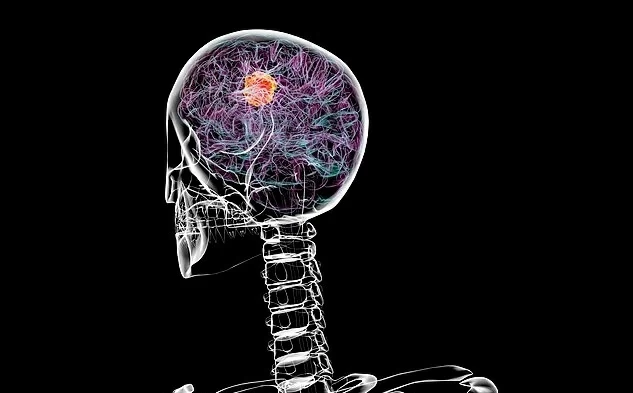
كشفت دراسة علمية حديثة عن نتائج واعدة لعلاج مناعي جديد قد يفتح الباب أمام تغيير جذري في علاج الورم الأرومي الدبقي (Glioblastoma)، أحد أكثر أنواع سرطان الدماغ عدوانية وصعوبة في العلاج.
ونقلت صحيفة (ديلي ميل) أن الدراسة أُجريت بواسطة باحثين من كلية (كينغز لندن) في المملكة المتحدة وجامعة (ماكماستر) الكندية، ونُشرت في دورية (Nature) العلمية، حيث أظهرت أن نسخة مطورة من علاج (CAR-T) نجحت في القضاء على الأورام لدى غالبية الحيوانات المشاركة في التجارب قبل السريرية، محققة فترات طويلة خالية من المرض.
ويُعد الورم الأرومي الدبقي من أخطر أورام الدماغ لدى البالغين، إذ يصيب نحو 3200 شخص سنوياً في المملكة المتحدة، بينما يتوفى نحو 95% من المرضى خلال خمس سنوات من التشخيص، ويبلغ متوسط البقاء على قيد الحياة حالياً ما بين 12 و18 شهراً فقط.
ويواجه الأطباء صعوبة كبيرة في علاج هذا النوع من السرطان بسبب انتشاره داخل أنسجة الدماغ عبر امتدادات دقيقة تجعل استئصاله جراحياً بشكل كامل شبه مستحيل، كما أن الخلايا المتبقية غالباً ما تُبدي مقاومة للعلاجين الكيميائي والإشعاعي.
وأكّد الباحثون في الدراسة على تطوير علاج (CAR-T)، وهو أسلوب علاجي يستخدم خلايا مناعية مأخوذة من المريض نفسه، يتم تعديلها وراثياً لتتعرف على الخلايا السرطانية وتهاجمها قبل إعادة حقنها في الجسم، ويُستخدم هذا العلاج بالفعل لعلاج بعض سرطانات الدم، مثل اللوكيميا والليمفوما.
وخلال الدراسة، تمكن العلماء من تحديد بروتين يُعرف باسم (GPNMB) يوجد على سطح خلايا الورم، وكذلك على بعض الخلايا المناعية التي يستغلها السرطان لحماية نفسه من العلاج.
وبعد تعديل خلايا (CAR-T) للتعرف على هذا البروتين، أصبحت قادرة على استهداف الورم والخلايا المناعية الداعمة له في الوقت نفسه.
وأظهرت النتائج نجاح العلاج في القضاء الكامل على الأورام لدى 12 من أصل 13 فأراً في اثنتين من التجارب الرئيسية، كما بقيت الحيوانات خالية من الأورام لأكثر من أربعة أشهر في إحدى المجموعات، ولأكثر من خمسة أشهر في مجموعة أخرى، وهي نتائج وصفها الباحثون بأنها قوية على مستوى الدراسات قبل السريرية.
وقالت أستاذة جراحة الأعصاب وأورام الجهاز العصبي في كلية (كينغز لندن) وجامعة (ماكماستر) والباحثة الرئيسية في الدراسة البروفيسورة شيلا سينغ: "إن الورم الأرومي الدبقي لا ينبغي النظر إليه باعتباره مجرد كتلة من الخلايا السرطانية، بل كنظام متكامل يضم الورم والبيئة المناعية المحيطة به". وأضافت أن النهج الجديد يستهدف الورم نفسه، إلى جانب الخلايا المناعية التي تساعده على مقاومة العلاج، وهو ما قد يرفع من فرص نجاح العلاج مقارنة بالاستراتيجيات التقليدية التي تركز على القضاء على الخلايا السرطانية فقط.
وأوضح الباحث المشارك شان غريوال أن الدراسة تشير إلى ضرورة استهداف منظومة الدعم المناعي التي يعتمد عليها الورم للبقاء، وليس الورم وحده، مؤكداً أن هذه الإستراتيجية قد تمثل خطوة مهمة نحو تطوير علاجات أكثر فاعلية.
ورغم النتائج الإيجابية، شدد الباحثون على أن العلاج لم يُختبر بعد على البشر، وأن الانتقال إلى التجارب السريرية سيكون ضرورياً للتأكد من سلامته وفاعليته قبل اعتماده كخيار علاجي.
ويواصل الباحثون حول العالم دراسة إمكانات علاج CAR-T في مكافحة أورام الدماغ، في ظل غياب تطورات جوهرية في علاج الورم الأرومي الدبقي خلال العقدين الماضيين، ما يجعل هذه النتائج مصدر أمل جديد للمرضى وأسرهم.
A recent scientific study has revealed promising results for a new immunotherapy that could pave the way for a radical change in the treatment of glioblastoma, one of the most aggressive and difficult-to-treat types of brain cancer.
The Daily Mail reported that the study was conducted by researchers from King's College London in the UK and McMaster University in Canada, and published in the scientific journal Nature. It showed that an advanced version of CAR-T therapy successfully eliminated tumors in the majority of animals involved in preclinical trials, achieving long periods free of disease.
Glioblastoma is considered one of the most dangerous brain tumors in adults, affecting about 3,200 people annually in the UK, with approximately 95% of patients dying within five years of diagnosis. The current average survival time is only between 12 and 18 months.
Doctors face significant challenges in treating this type of cancer due to its spread within brain tissues through fine extensions that make complete surgical removal nearly impossible. Additionally, the remaining cells often exhibit resistance to both chemotherapy and radiation therapy.
The researchers emphasized the development of CAR-T therapy, a treatment method that uses immune cells taken from the patient themselves, which are genetically modified to recognize and attack cancer cells before being reinjected into the body. This therapy is already used to treat some blood cancers, such as leukemia and lymphoma.
During the study, scientists were able to identify a protein known as GPNMB present on the surface of tumor cells, as well as on some immune cells that cancer exploits to protect itself from treatment.
After modifying CAR-T cells to recognize this protein, they became capable of targeting both the tumor and the supportive immune cells at the same time.
The results showed the therapy's success in completely eliminating tumors in 12 out of 13 mice in two of the main trials, with the animals remaining tumor-free for more than four months in one group and for more than five months in another group. Researchers described these results as strong at the preclinical study level.
Professor Sheila Singh, a neurosurgery and neuro-oncology professor at King's College London and McMaster University and the principal investigator of the study, stated: "Glioblastoma should not be viewed merely as a mass of cancer cells, but as an integrated system that includes the tumor and its surrounding immune environment." She added that the new approach targets the tumor itself, along with the immune cells that help it resist treatment, which may increase the chances of treatment success compared to traditional strategies that focus solely on eliminating cancer cells.
Co-researcher Shan Grewal explained that the study indicates the necessity of targeting the immune support system that the tumor relies on for survival, not just the tumor itself, emphasizing that this strategy could represent an important step toward developing more effective treatments.
Despite the positive results, researchers stressed that the treatment has not yet been tested on humans, and transitioning to clinical trials will be essential to ensure its safety and efficacy before it is adopted as a treatment option.
Researchers around the world continue to study the potential of CAR-T therapy in combating brain tumors, in light of the lack of significant developments in glioblastoma treatment over the past two decades, making these results a new source of hope for patients and their families.