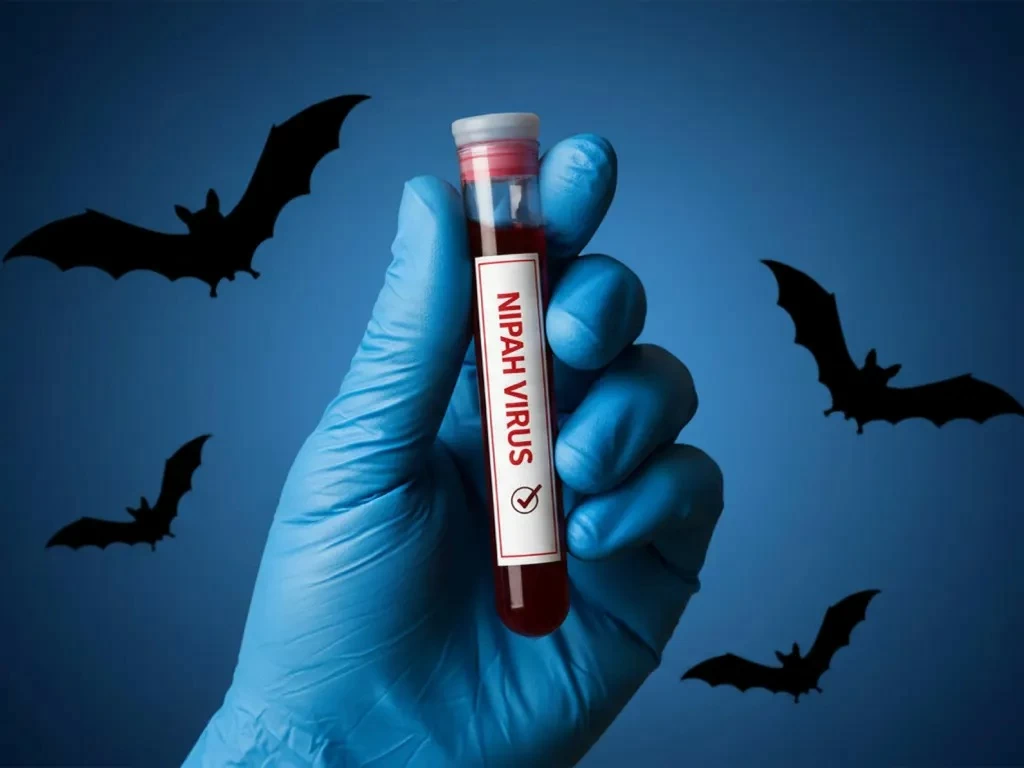
يرتبط فيروس نيباه عادةً بأشد مضاعفاته خطورة، وهي التهاب الدماغ، إلا أن الأطباء يحذرون من أن تأثيراته قد تمتد إلى الجهاز البصري، مسببة اضطرابات في الرؤية، وفي حالات نادرة قد تؤدي إلى فقدان دائم للبصر.
ويؤكد متخصصون أن العين قد تصبح نافذة مهمة للكشف المبكر عن مدى تأثير العدوى على الدماغ والأعصاب والأوعية الدموية الدقيقة المسؤولة عن تغذية الشبكية.
ووفقاً للخبراء، فإن التهاب الدماغ المرتبط بفيروس نيباه لا يؤثر فقط على الذاكرة أو الحركة أو الوعي، بل قد يمتد إلى المناطق المسؤولة عن حركة العين واستجابة الحدقة ومعالجة المعلومات البصرية.
أعراض قد تؤدي إلى فقد البصر
وعند حدوث ذلك، قد يعاني المرضى من أعراض تشمل: تشوش أو ضبابية الرؤية، ازدواجية الصورة، صعوبة التركيز البصري، حركات غير طبيعية للعين، حساسية زائدة للضوء.
كما قد تظهر علامات أخرى مثل اختلاف حجم الحدقتين، تدلي الجفن، أو صعوبة تحريك إحدى العينين، وهي أعراض يعتبرها الأطباء مؤشرات عصبية تستدعي التقييم الفوري.
وتحدث هذه الاضطرابات عندما تؤثر العدوى على المسارات العصبية التي تربط جذع الدماغ والأعصاب القحفية ومراكز الإبصار داخل الدماغ.
وقالت استشارية جراحة المياه البيضاء والجلوكوما بمستشفيات «د. راني مينون ماكسي فيجن» في ولاية كيرالا الهندية الدكتورة راني مينون، إن الأعراض البصرية لدى مرضى نيباه يجب التعامل معها باعتبارها إشارات تحذيرية عصبية وليست مجرد إجهاد أو ضعف مؤقت.
وأضافت أن تغيرات الرؤية قد تشير إلى إصابة في الأعصاب القحفية أو جذع الدماغ أو الأوعية الدموية المغذية للشبكية، موضحة أن فحص العين البسيط قد يقدم مؤشرات مهمة حول مدى التأثر العصبي.
وأكدت أهمية دمج تقييمات الرؤية ضمن برامج متابعة المرضى بعد التعافي، للمساعدة في اكتشاف المضاعفات مبكراً وتحسين فرص التعافي على المدى الطويل.
لماذا تصبح متابعة العين ضرورية بعد التعافي؟
ورغم عدم وجود علاج دوائي نوعي معتمد لفيروس نيباه حتى الآن، فإن الوقاية والتشخيص المبكر والرعاية الداعمة تبقى الأدوات الأهم في التعامل مع المرض.
ويشير الأطباء إلى أنه يجب المراجعة العاجلة لطبيب الأعصاب وطبيب العيون، حال ظهور أي أعراض مثل: ازدواج الرؤية، تدلي الجفن، تشوش مفاجئ في الإبصار، الحساسية الشديدة للضوء.
كما أن ظهور أعراض بصرية بعد أسابيع أو حتى أشهر من التعافي يجب ألا يُهمل، خاصة إذا تزامن مع الصداع أو اضطرابات التوازن أو التشنجات أو تغيرات السلوك.
ورغم أن معظم المصابين الذين ينجون من المرض يستعيدون وظائفهم بشكل كامل، تشير التقديرات إلى أن نحو شخص واحد من كل خمسة متعافين قد يعاني لاحقاً من مشكلات عصبية طويلة الأمد.
ولهذا يدعو الخبراء إلى إدراج فحوصات الشبكية ومسارات الإحالة الطبية والمتابعة المنظمة للناجين ضمن خطط الاستجابة لأي تفشٍ مستقبلي لفيروس نيباه، بما يضمن اكتشاف المضاعفات غير المرئية مبكراً وتحسين جودة الرعاية بعد التعافي.
The Nipah virus is usually associated with its most severe complications, which is encephalitis, but doctors warn that its effects may extend to the visual system, causing vision disturbances, and in rare cases, may lead to permanent vision loss.
Specialists confirm that the eye may become an important window for early detection of how the infection affects the brain, nerves, and the tiny blood vessels responsible for nourishing the retina.
According to experts, encephalitis associated with the Nipah virus not only affects memory, movement, or consciousness, but may also extend to the areas responsible for eye movement, pupil response, and visual information processing.
Symptoms That May Lead to Vision Loss
When this occurs, patients may experience symptoms including: blurred or cloudy vision, double vision, difficulty focusing visually, abnormal eye movements, and increased sensitivity to light.
Other signs may also appear, such as differences in pupil size, drooping eyelids, or difficulty moving one eye, which are symptoms that doctors consider neurological indicators requiring immediate evaluation.
These disturbances occur when the infection affects the neural pathways connecting the brainstem, cranial nerves, and visual centers within the brain.
Dr. Rani Menon, a consultant in cataract and glaucoma surgery at "Dr. Rani Menon Maxivision" hospitals in Kerala, India, stated that visual symptoms in Nipah patients should be treated as neurological warning signs rather than mere fatigue or temporary weakness.
She added that changes in vision may indicate damage to the cranial nerves, brainstem, or blood vessels supplying the retina, explaining that a simple eye examination may provide important indicators of neurological impact.
She emphasized the importance of integrating vision assessments into patient follow-up programs after recovery, to help detect complications early and improve long-term recovery chances.
Why is Eye Monitoring Necessary After Recovery?
Although there is currently no approved specific drug treatment for the Nipah virus, prevention, early diagnosis, and supportive care remain the most important tools in managing the disease.
Doctors indicate that urgent consultation with a neurologist and an ophthalmologist is necessary if any symptoms arise, such as: double vision, drooping eyelids, sudden visual disturbances, or severe light sensitivity.
Additionally, the emergence of visual symptoms weeks or even months after recovery should not be overlooked, especially if accompanied by headaches, balance disorders, seizures, or behavioral changes.
While most survivors of the disease regain their functions completely, estimates suggest that about one in five recovered individuals may later suffer from long-term neurological problems.
For this reason, experts call for the inclusion of retinal examinations, medical referral pathways, and organized follow-up for survivors in response plans for any future outbreaks of the Nipah virus, ensuring early detection of invisible complications and improving post-recovery care quality.