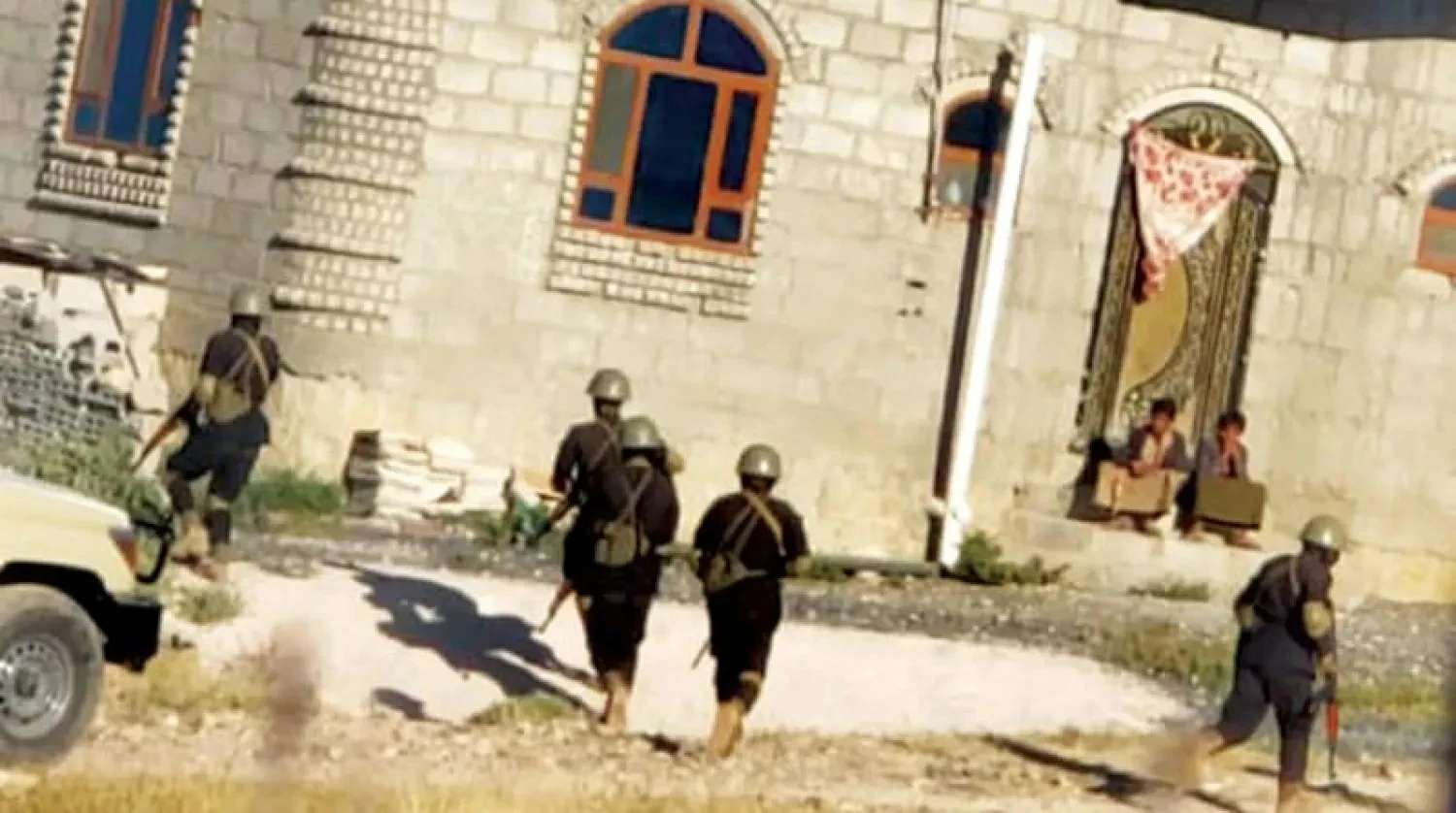
كشفت الشبكة اليمنية للحقوق والحريات اليوم (الأحد) ارتكاب الحوثي 1937 انتهاكاً بحق الزعماء القبليين والشخصيات والوجاهات الاجتماعية خلال السنوات العشر الماضية.
وذكرت الشبكة في بيان أن الحوثي منذ انقلابه على الدولة اليمنية ينفذ سياسة ممنهجة تستهدف تفكيك البنية القبلية وإضعاف دورها التاريخي، عبر القتل والتصفية والاعتقال والإخفاء القسري والإذلال والابتزاز والتشريد، في إطار مشروع يهدف إلى إخضاع القبائل وإحلال الولاء للجماعة محل الأعراف والقيم القبلية التي شكلت على مدى قرون إحدى ركائز الاستقرار الاجتماعي في اليمن.
وأوضح البيان أن انتهاكات الحوثي ارتكبت في 13 محافظة يمنية خلال الفترة من 1 يناير 2016 وحتى 30 مارس 2026، مبيناً أن الانتهاكات شملت جرائم القتل والتصفية الجسدية والسحل والتمثيل بالجثث، والاختطاف والإخفاء القسري، والتعذيب، وتفجير المنازل ونهبها، والاستيلاء على الممتلكات الخاصة، والتشريد والتهجير القسري، والاعتداءات الجسدية والإهانات الممنهجة بحق القبليين والرموز الاجتماعية.
وأفادت الشبكة بأن فريقها الميداني رصد 156 واقعة قتل بحق زعماء القبائل، بينها 49 جريمة قتل بالرصاص المباشر أثناء مداهمة منازل الضحايا وأمام أفراد أسرهم من النساء والأطفال، كما وثق إحراق 16 جثة للزعماء القبليين ووجهاء اجتماعيين بعد قتلهم، و29 جريمة سحل وتمثيل بالجثث، إضافة إلى اغتيال وتصفية 32 زعيماً قبلياً.
وأشار التقرير إلى أن بعض الجرائم اتسمت بقدر بالغ من القسوة، من بينها استمرار احتجاز جثمان الزعيم القبلي صادق أمين أبو شعر حتى اليوم، رغم إطلاق سراح المتهم بقتله، فضلاً عن اغتيال الزعيمين القبليين محمد الصلاحي، ومسعد محمد المعزبي داخل أحد المقار الأمنية بمحافظة إب، وسقوط امرأة من أسرته في الحادثة ذاتها، وقتل أحمد سالم السكني، و سلطان محمد الوروري، وأحمد الشعملي، وطفيان علي طفيان، واعتقال أحمد مصلح الحضرمي قبل تصفيته.
وذكرت الشبكة أن 43 زعيماً قبلياً وشخصيات اجتماعية أصيبوا، وتعرض 63 آخرون للاعتداء والضرب والإهانة وسوء المعاملة، سواء داخل منازلهم وأمام أسرهم أو في النقاط الأمنية التابعة للجماعة الحوثية.
وأكدت الشبكة أن جماعة الحوثي استخدمت سياسة الابتزاز والضغط على الزعماء القبليين لإجبارهم على الدفع بالمزيد من أبناء القبائل إلى جبهات القتال، معتمدة على الترغيب والترهيب، وتحويل القبيلة إلى خزان بشري يغذي الحرب، في انتهاك صارخ لحقوق الإنسان، ولحق المدنيين في الحماية من الإكراه والاستغلال.
وأضاف التقرير أن جماعة الحوثي تتعامل مع القبائل بمنطق التراتبية السلالية، وتسعى إلى إلغاء استقلالية القرار القبلي وإخضاع المشايخ لسلطة قادتها، مع معاقبة كل من يرفض الانصياع أو يعترض على سياساتها، الأمر الذي أدى إلى إضعاف دور القبيلة وإحداث تصدعات عميقة في النسيج الاجتماعي.
وأشار التقرير إلى أن مشهد السحل والتمثيل بجثمان الزعيم القبلي مجاهد قشيرة الغولي في محافظة عمران بعد مقتله عام 2019، رغم كونه أحد القيادات الموالية للحوثي، يعكس طبيعة النهج الذي تتبعه الجماعة حتى مع الشخصيات التي خدمت مشروعها، وهو النهج ذاته الذي طال الزعيمين القبليين سلطان الوروري، ومحمد الشتوي، ووكيل محافظة إب عبد القادر سفيان، وغيرهم من ضحايا التصفيات الداخلية.
وأكدت الشبكة أن ما تعرضت له قبائل حجور في محافظة حجة وقبيلة آل مسعود في مديرية قيفة بمحافظة البيضاء من حصار وقصف بالطائرات المسيّرة وعمليات عسكرية واسعة يمثل نموذجًا واضحًا للسياسة الانتقامية التي تنتهجها الجماعة ضد القبائل الرافضة لسلطتها، ويعكس استمرار استهدافها لكل قبيلة تحاول الحفاظ على استقلال قرارها أو رفض الانخراط في مشروعها.
وشددت الشبكة اليمنية للحقوق والحريات على أن الجرائم المرتكبة بحق القبائل اليمنية تمثل سياسة ممنهجة تهدف إلى تقويض دور القبيلة، وكسر هيبة مشايخها، وإعادة تشكيل المجتمع وفق منظومة قائمة على الولاء للجماعة، بما يهدد السلم الأهلي ويقوض أسس التعايش والاستقرار في اليمن.
ودعت الشبكة اليمنية للحقوق والحريات المجتمع الدولي، والأمم المتحدة، ومجلس حقوق الإنسان، والآليات الدولية المعنية، إلى فرض عقوبات على القيادات الحوثية المتورطة في جرائم القتل والتصفية والإخفاء القسري والتعذيب، والعمل على ضمان الإفراج الفوري عن جميع المختطفين والمخفيين قسراً، وتسليم جثامين الضحايا إلى أسرهم، مشددة على ضرورة توثيق اللجنة الوطنية للتحقيق في ادعاءات حقوق الإنسان هذه الانتهاكات بصورة مؤسسية، وتوفير الحماية للقيادات المجتمعية والقبلية.
The Yemeni Network for Rights and Freedoms revealed today (Sunday) that the Houthis have committed 1,937 violations against tribal leaders, personalities, and social figures over the past ten years.
The network stated in a statement that since their coup against the Yemeni state, the Houthis have been implementing a systematic policy aimed at dismantling the tribal structure and weakening its historical role, through killing, liquidation, detention, enforced disappearance, humiliation, extortion, and displacement, as part of a project aimed at subjugating the tribes and replacing loyalty to the group with the tribal customs and values that have formed one of the pillars of social stability in Yemen for centuries.
The statement clarified that the Houthi violations occurred in 13 Yemeni provinces during the period from January 1, 2016, to March 30, 2026, indicating that the violations included crimes of murder, physical liquidation, dragging, and mutilation of corpses, kidnapping and enforced disappearance, torture, bombing and looting of homes, seizure of private property, forced displacement and eviction, physical assaults, and systematic insults against tribal members and social symbols.
The network reported that its field team documented 156 incidents of murder against tribal leaders, including 49 murders by direct gunfire during raids on the victims' homes in front of their families, including women and children. It also recorded the burning of 16 bodies of tribal leaders and social dignitaries after their killings, and 29 incidents of dragging and mutilation of corpses, in addition to the assassination and liquidation of 32 tribal leaders.
The report pointed out that some of the crimes were marked by extreme brutality, including the continued detention of the body of tribal leader Sadiq Amin Abu Shaar to this day, despite the release of the suspect in his murder, as well as the assassination of tribal leaders Muhammad Al-Salahi and Musaad Muhammad Al-Maazabi inside a security facility in Ibb Governorate, with a woman from his family falling victim in the same incident, and the killings of Ahmad Salem Al-Sakani, Sultan Muhammad Al-Waruri, Ahmad Al-Shamali, and Tufyan Ali Tufyan, along with the arrest of Ahmad Musleh Al-Hadrami before his liquidation.
The network mentioned that 43 tribal leaders and social figures were injured, and 63 others were subjected to assault, beating, humiliation, and mistreatment, either inside their homes in front of their families or at the security checkpoints belonging to the Houthi group.
The network confirmed that the Houthi group used a policy of extortion and pressure on tribal leaders to force them to send more tribesmen to the front lines, relying on both inducement and intimidation, turning the tribe into a human reservoir that feeds the war, in a blatant violation of human rights and the right of civilians to protection from coercion and exploitation.
The report added that the Houthi group deals with the tribes based on a logic of hereditary hierarchy, seeking to abolish the independence of tribal decision-making and subjecting the sheikhs to the authority of their leaders, punishing anyone who refuses to comply or objects to their policies, which has led to the weakening of the tribe's role and caused deep fractures in the social fabric.
The report noted that the scene of dragging and mutilation of the body of tribal leader Mujahid Qashira Al-Ghuli in Amran Governorate after his killing in 2019, despite being one of the leaders loyal to the Houthis, reflects the nature of the approach adopted by the group even towards figures who served its project, which is the same approach that targeted tribal leaders Sultan Al-Waruri and Muhammad Al-Shatwi, and the Deputy Governor of Ibb, Abdul Qadir Sufyan, among other victims of internal liquidations.
The network confirmed that what the Hajour tribes in Hajjah Governorate and the Al-Masoud tribe in Qifah District in Al-Bayda Governorate have endured in terms of siege, drone strikes, and extensive military operations represents a clear example of the retaliatory policy pursued by the group against tribes that reject its authority, reflecting its continued targeting of any tribe attempting to maintain its decision-making independence or refusing to engage in its project.
The Yemeni Network for Rights and Freedoms emphasized that the crimes committed against the Yemeni tribes represent a systematic policy aimed at undermining the role of the tribe, breaking the dignity of its sheikhs, and reshaping society according to a system based on loyalty to the group, which threatens civil peace and undermines the foundations of coexistence and stability in Yemen.
The Yemeni Network for Rights and Freedoms called on the international community, the United Nations, the Human Rights Council, and the relevant international mechanisms to impose sanctions on Houthi leaders involved in crimes of murder, liquidation, enforced disappearance, and torture, and to work towards ensuring the immediate release of all abducted and forcibly disappeared individuals, and the handover of the victims' bodies to their families, emphasizing the need for the National Commission to document these human rights violations in an institutional manner and to provide protection for community and tribal leaders.