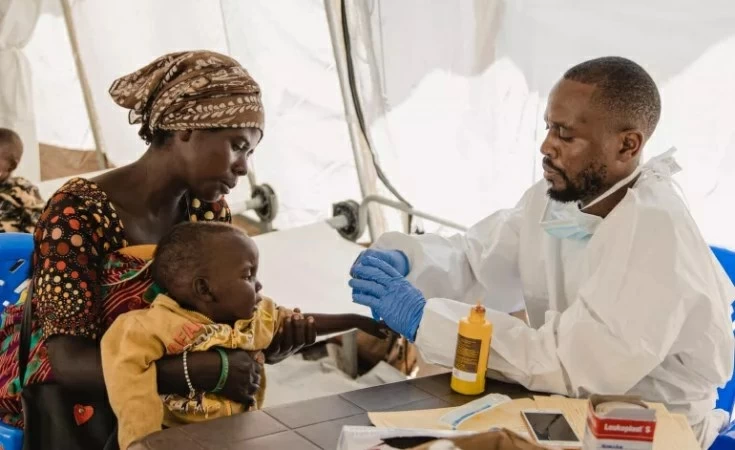
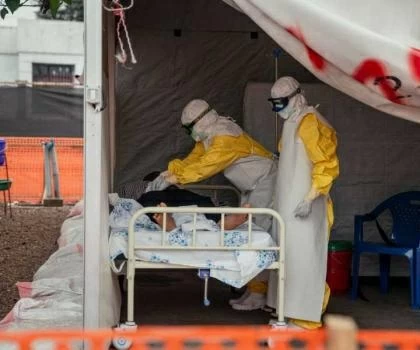
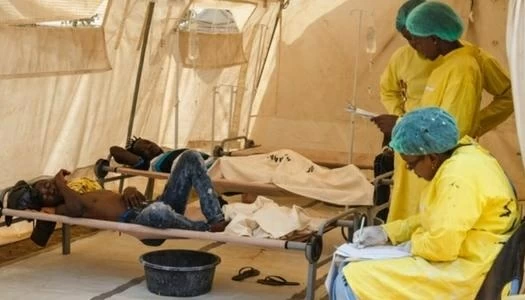
أعلنت جمهورية أفريقيا الوسطى تفشي وباء الكوليرا في البلاد، بعد تسجيل 24 حالة وفاة و197 إصابة مؤكدة، في تطور صحي مقلق يهدد بانتشار المرض إلى مناطق جديدة، خاصة مع تركز الإصابات في مناطق قريبة من العاصمة بانغي.
وأكّدت السلطات الصحية أن فرق الاستجابة بدأت تنفيذ إجراءات طارئة للحد من انتشار الوباء، تشمل تكثيف عمليات الرصد الوبائي، وتعزيز خدمات العلاج، وتوفير مياه الشرب الآمنة، إلى جانب حملات توعية للسكان حول سبل الوقاية من المرض.
ويثير موقع بؤر الإصابة مخاوف متزايدة من انتقال العدوى إلى العاصمة بانغي، التي تضم الكثافة السكانية الأكبر في البلاد، الأمر الذي قد يزيد من الضغوط على النظام الصحي، الذي يعاني بالفعل من تحديات كبيرة بسبب محدودية الإمكانات وتداعيات الأزمات الإنسانية المستمرة.
وتسعى السلطات، بالتعاون مع الشركاء الدوليين والمنظمات الصحية، إلى احتواء تفشي المرض ومنع توسعه، في ظل مخاوف من ارتفاع أعداد الإصابات مع حلول موسم الأمطار، الذي يسهم عادة في زيادة انتشار الأمراض المنقولة عبر المياه.
وتعد الكوليرا من الأمراض المعدية الحادة التي تنتقل غالبًا عن طريق تناول مياه أو أغذية ملوثة ببكتيريا ضمة الكوليرا، ويمكن أن تسبب إسهالًا شديدًا وجفافًا حادًا قد يؤديان إلى الوفاة إذا لم يتلق المصاب العلاج السريع. وتشهد جمهورية أفريقيا الوسطى منذ سنوات تحديات إنسانية وصحية معقدة نتيجة النزاعات المسلحة، والنزوح الداخلي، وضعف البنية التحتية الصحية، وهو ما يجعلها أكثر عرضة لتفشي الأوبئة. كما أن محدودية الوصول إلى مياه الشرب النظيفة وخدمات الصرف الصحي في العديد من المناطق تمثل بيئة مواتية لانتشار الكوليرا.
وتصنف منظمة الصحة العالمية الكوليرا ضمن الأمراض التي يمكن احتواؤها والوقاية منها إذا توفرت الاستجابة السريعة، والعلاج المناسب، وتحسين خدمات المياه والصرف الصحي. وتشهد عدة دول في القارة الأفريقية خلال السنوات الأخيرة موجات متكررة من تفشي المرض، خاصة خلال مواسم الأمطار والكوارث الإنسانية، ما يدفع المنظمات الدولية إلى تعزيز برامج الترصد والاستجابة الصحية في المناطق الأكثر عرضة للخطر.
The Central African Republic has announced an outbreak of cholera in the country, following the registration of 24 deaths and 197 confirmed cases, in a concerning health development that threatens the spread of the disease to new areas, especially with the concentration of cases in regions close to the capital, Bangui.
The health authorities confirmed that response teams have begun implementing emergency measures to limit the spread of the outbreak, including intensifying epidemiological surveillance, enhancing treatment services, and providing safe drinking water, along with awareness campaigns for the population on ways to prevent the disease.
The location of the infection hotspots raises increasing concerns about the transmission of the infection to the capital, Bangui, which has the highest population density in the country, a situation that could increase pressure on the healthcare system, which is already facing significant challenges due to limited resources and the repercussions of ongoing humanitarian crises.
The authorities, in collaboration with international partners and health organizations, are striving to contain the outbreak and prevent its expansion, amid fears of rising case numbers with the onset of the rainy season, which typically contributes to the increased spread of waterborne diseases.
Cholera is classified as an acute infectious disease that is often transmitted through the consumption of water or food contaminated with cholera bacteria, and it can cause severe diarrhea and acute dehydration that may lead to death if the infected person does not receive prompt treatment. The Central African Republic has been facing complex humanitarian and health challenges for years due to armed conflicts, internal displacement, and weak health infrastructure, making it more susceptible to epidemic outbreaks. Additionally, limited access to clean drinking water and sanitation services in many areas creates a conducive environment for the spread of cholera.
The World Health Organization classifies cholera among diseases that can be contained and prevented if rapid response, appropriate treatment, and improved water and sanitation services are available. Several countries in the African continent have witnessed recurring waves of the disease in recent years, especially during rainy seasons and humanitarian disasters, prompting international organizations to strengthen health surveillance and response programs in the most at-risk areas.