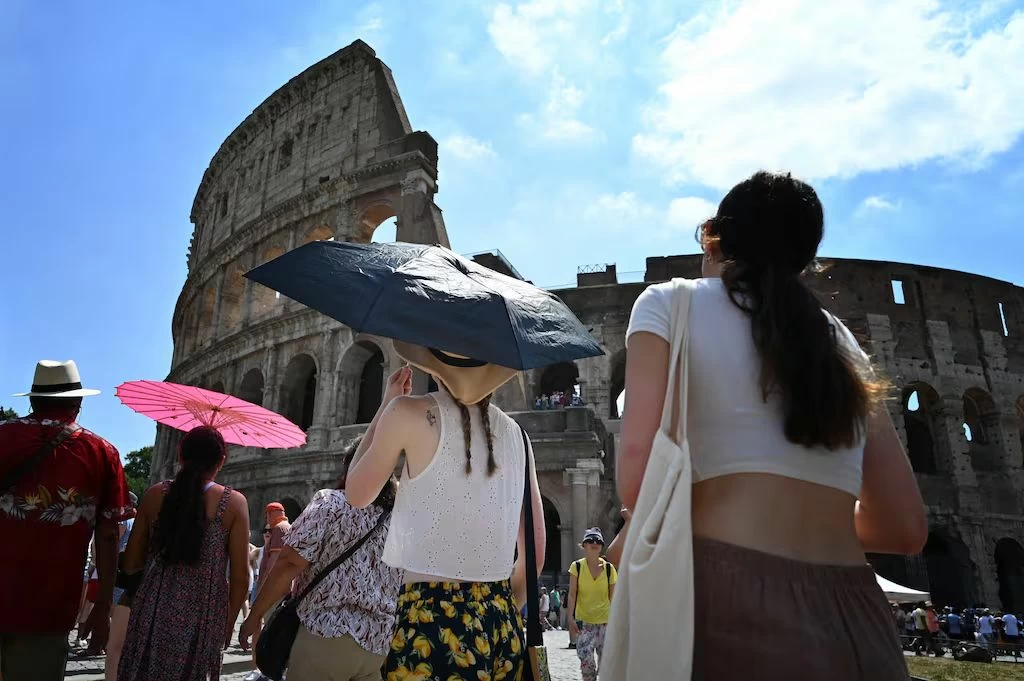
أطلقت السلطات الإيطالية، اليوم (الأحد)، أعلى درجات التحذير المناخي بإعلان الإنذار باللون الأحمر في 18 مدينة، مع اجتياح موجة حرارة قياسية وصفت بأنها الأقوى منذ بداية العام، وسط تحذيرات من مخاطرها على الصحة العامة، خصوصاً لكبار السن والأطفال.
وقالت وزارة الصحة الإيطالية إن حالة التأهب القصوى تشمل مدن أنكونا، وباري، وبولونيا، وبولزانو، وبريشيا، وفلورنسا، وفروزينوني، وجنوة، ولاتينا، وميلانو، وبيروجيا، وبيسكارا، ورييتي، وروما، وتورينو، والبندقية، وفيرونا، وفيتربو، في ظل توقعات باستمرار موجة الحر حتى الثلاثاء القادم، مع احتمال اختلاف شدتها من مدينة إلى أخرى.
وحذرت الوزارة من أن درجات الحرارة المرتفعة قد تؤثر في صحة جميع السكان، وليس فقط الفئات الأكثر عرضة للخطر، داعية إلى تجنب التعرض المباشر لأشعة الشمس خلال ساعات الذروة، والإكثار من شرب المياه، واتخاذ الإجراءات الوقائية اللازمة.
وفي شمال البلاد، سجلت مدينة بولزانو أحر ليلة منذ نحو 70 عاماً، في مؤشر على شدة الموجة الحارة التي تضرب أجزاء واسعة من إيطاليا، وسط توقعات باستمرار درجات الحرارة عند مستويات مرتفعة خلال الأيام القادمة.
ويعتمد نظام الإنذار الخاص بوزارة الصحة الإيطالية على ثلاثة مستويات للتحذير من موجات الحر. ويشير المستوى الأول (الأصفر) إلى مرحلة ما قبل الإنذار، بينما يعني المستوى الثاني (البرتقالي) أن الأحوال الجوية قد تشكل خطراً على الفئات الأكثر هشاشة، مثل كبار السن والمرضى.
أما المستوى الثالث (الأحمر)، الذي أعلنته السلطات اليوم، فيمثل أعلى درجات التأهب، ويعني أن درجات الحرارة تشكل خطراً على صحة جميع السكان.
وتتعرض دول جنوب أوروبا خلال السنوات الأخيرة لموجات حر أكثر شدة وتكراراً، في ظل التغيرات المناخية التي أدت إلى تسجيل درجات حرارة قياسية خلال فصل الصيف.
وتعد إيطاليا من أكثر الدول الأوروبية تأثراً بهذه الظاهرة، إذ شهدت في الأعوام الأخيرة ارتفاعاً ملحوظاً في معدلات الحرارة، ما تسبب في زيادة الضغط على الخدمات الصحية، وارتفاع مخاطر حرائق الغابات، وتراجع الموارد المائية في عدد من المناطق.
وتؤكد المؤسسات المناخية الأوروبية أن موجات الحر أصبحت أطول زمناً وأكثر كثافة مقارنة بالعقود الماضية، الأمر الذي يدفع الحكومات إلى تعزيز أنظمة الإنذار المبكر، واتخاذ إجراءات وقائية لحماية السكان، خصوصاً كبار السن والأطفال وأصحاب الأمراض المزمنة، باعتبارهم الفئات الأكثر عرضة للمضاعفات الصحية الناجمة عن الحرارة المرتفعة.
The Italian authorities announced today (Sunday) the highest level of climate warning by issuing a red alert in 18 cities, as a record heatwave described as the strongest since the beginning of the year sweeps across the country, amid warnings about its risks to public health, especially for the elderly and children.
The Italian Ministry of Health stated that the maximum state of alert includes the cities of Ancona, Bari, Bologna, Bolzano, Brescia, Florence, Frosinone, Genoa, Latina, Milan, Perugia, Pescara, Rieti, Rome, Turin, Venice, Verona, and Viterbo, with expectations of the heatwave continuing until next Tuesday, with the possibility of varying intensity from city to city.
The ministry warned that high temperatures could affect the health of all residents, not just the most vulnerable groups, urging people to avoid direct exposure to sunlight during peak hours, drink plenty of water, and take necessary preventive measures.
In the north of the country, the city of Bolzano recorded its hottest night in nearly 70 years, indicating the severity of the heatwave affecting large parts of Italy, with expectations of high temperatures persisting in the coming days.
The warning system of the Italian Ministry of Health relies on three levels of heatwave alerts. The first level (yellow) indicates a pre-alert phase, while the second level (orange) means that weather conditions may pose a risk to the most vulnerable groups, such as the elderly and the sick.
The third level (red), which was announced by the authorities today, represents the highest state of alert, indicating that temperatures pose a risk to the health of all residents.
Southern European countries have been experiencing more intense and frequent heatwaves in recent years, due to climate changes that have led to record temperatures during the summer.
Italy is one of the European countries most affected by this phenomenon, having witnessed a noticeable increase in temperature levels in recent years, which has resulted in increased pressure on health services, a rise in the risk of wildfires, and a decline in water resources in several areas.
European climate institutions confirm that heatwaves have become longer and more intense compared to past decades, prompting governments to enhance early warning systems and take preventive measures to protect residents, especially the elderly, children, and those with chronic illnesses, as they are the most vulnerable groups to health complications resulting from high temperatures.