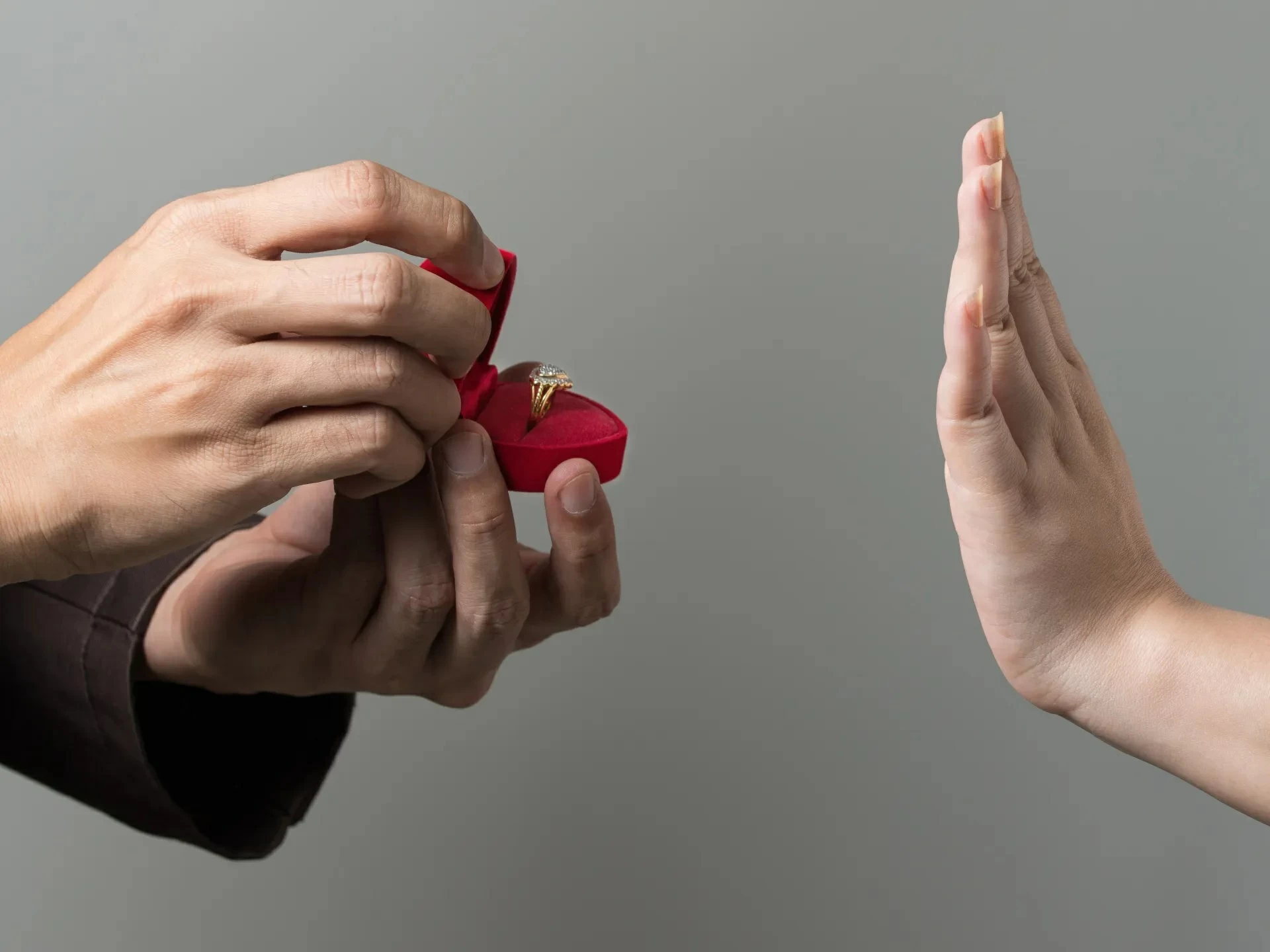
لم يعد السؤال المعتاد الذي يتردد داخل البيوت العربية: «متى سيتزوج الأبناء؟»، بل تحول فجأة وبشكل صادم إلى علامة استفهام كبرى تحبس الأنفاس: «لماذا يهرب الشباب من الزواج أصلاً وكأنه حبل مشنقة؟». في السنوات الأخيرة، انفجر بركان من النقاشات الحادة على منصات التواصل الاجتماعي حول ظاهرة مرعبة لم تعد تقتصر على دولة بعينها، بل بدأت تلتهم عقول شريحة ضخمة من شباب العالم العربي، وتحديداً أبناء جيل Z، الذين باتوا ينظرون إلى القفص الذهبي بوصفه حقل ألغام ومخاطرة نفسية ومالية مدمرة، وليس خطوة طبيعية للاستقرار.
هذا الهروب الجماعي ليس مجرد حيرة أو تردد عابر، بل هو مرض نفسي حقيقي يصنف تحت اسم «الجاموفوبيا» (Gamophobia)، أو ما يعرف بـ «رُهاب الزواج». المفارقة الصادمة هنا أن الشاب أو الفتاة المصابين بهذا الاضطراب قد يكونون غارقين في قصص حب وعلاقات عاطفية مستقرة تماماً، لكن بمجرد أن تنتقل العلاقة إلى مرحلة الجدية أو يُفتح ملف «الزواج»، ينتابهم رعب قاتل وتتحول الفكرة لديهم إلى تهديد وجودي يدفعهم للانسحاب الفوري بدم بارد.
ولا تتوقف هذه الفوبيا عند حدود الخوف النفسي، بل تتطور لدى البعض إلى أعراض جسدية مرعبة، فبمجرد الضغط العائلي أو فتح نقاش حول الارتباط، تظهر على الشاب أعراض حادة مثل تسارع ضربات القلب الصاخب، وضيق التنفس، والتعرق الشديد، والدوخة، والتي قد تتطور في حالات كثيرة إلى نوبات هلع حقيقية أو إغماء مفاجئ، مما يجعل الضغط المجتمعي بمثابة وقود يشعل الأزمة بدلاً من حلها.
ويرى خبراء الصحة النفسية أن أسباب هذا الرعب الجماعي متشابكة ومعقدة:
- تصفية الحسابات الأسرية: النشأة داخل بيوت شهدت خلافات زوجية مريرة أو طلاقاً عاصفاً يترك ندوباً لا تُشفى في عقل الطفل، تجعله يربط الزواج بالعذاب والدمار.
- الخوف من فقدان الذات: الرعب من خسارة الحرية الشخصية، مضافاً إليه القلق القاتل من المسؤوليات المالية الفلكية لتأسيس بيت في ظل ظروف اقتصادية طاحنة يواجهها الشباب العربي لعام 2026.
- فخ السوشيال ميديا المظلم: لعبت منصات التواصل الاجتماعي دوراً خبيثاً في تضخيم الكابوس، حيث تكتسح يومياً قصص الخيانة والطلاق والخلع شاشات الهواتف وتحصد ملايين المشاهدات، بينما تُدفن التجارب الناجحة في الظل، مما خلق صورة قاتمة ومرعبة للحياة الزوجية في وعي هذا الجيل قبل أن يخوض التجربة من الأساس.
لكن مواجهة هذا الإعصار الاجتماعي تبدأ (حسب المختصين) بكسر حاجز الصمت والاعتراف بالجاموفوبيا كاضطراب نفسي يستدعي العلاج، وليس مجرد «دلع شباب». وينصح الخبراء بضرورة الخضوع للعلاج المعرفي السلوكي لتفكيك الأفكار السوداوية المرتبطة بالارتباط، والابتعاد الفوري عن المحتوى الرقمي السام الذي يغذي هذا الخوف، مع الاستعانة ببرامج تأهيل حقيقية وواقعية للمقبلين على الزواج، حتى لا يتحول «رُهاب الارتباط» إلى مقبرة صامتة تدمر مستقبل العائلات العربية.
The usual question that resonates within Arab households is no longer: "When will the children get married?" Instead, it has suddenly and shockingly transformed into a major question that takes your breath away: "Why are young people fleeing from marriage as if it were a noose?" In recent years, a volcano of intense discussions has erupted on social media platforms regarding a terrifying phenomenon that is no longer limited to a specific country but has begun to consume the minds of a vast segment of the Arab youth, specifically those of Generation Z, who now view the golden cage as a minefield and a destructive psychological and financial risk, rather than a natural step towards stability.
This collective escape is not merely confusion or transient hesitation; it is a real psychological disorder classified under the name "gamophobia," or what is known as "fear of marriage." The shocking paradox here is that a young man or woman suffering from this disorder may be deeply immersed in love stories and stable romantic relationships, but as soon as the relationship moves to a serious stage or the topic of "marriage" is opened, they are gripped by a killer terror, and the idea transforms into an existential threat that drives them to withdraw immediately and coldly.
This phobia does not stop at the limits of psychological fear; for some, it develops into terrifying physical symptoms. As soon as there is family pressure or a discussion about commitment, the young person exhibits acute symptoms such as rapid heartbeats, shortness of breath, excessive sweating, and dizziness, which can often escalate into real panic attacks or sudden fainting, making societal pressure a fuel that ignites the crisis rather than resolving it.
Mental health experts believe that the causes of this collective terror are intertwined and complex:
- Settling family scores: Growing up in homes that have witnessed bitter marital disputes or tumultuous divorces leaves scars that do not heal in a child's mind, making them associate marriage with suffering and destruction.
- Fear of losing oneself: The terror of losing personal freedom, compounded by the killer anxiety of astronomical financial responsibilities to establish a household amidst the crushing economic conditions faced by Arab youth in 2026.
- The dark social media trap: Social media platforms have played a sinister role in amplifying the nightmare, as stories of infidelity, divorce, and separation flood phone screens daily and garner millions of views, while successful experiences are buried in the shadows, creating a grim and terrifying image of married life in the consciousness of this generation before they even embark on the experience.
However, confronting this social hurricane begins (according to specialists) by breaking the silence barrier and acknowledging gamophobia as a psychological disorder that requires treatment, not just "youth indulgence." Experts recommend undergoing cognitive-behavioral therapy to dismantle the negative thoughts associated with commitment, immediately distancing oneself from toxic digital content that fuels this fear, and utilizing real and practical rehabilitation programs for those preparing for marriage, so that "fear of commitment" does not turn into a silent graveyard that destroys the future of Arab families.