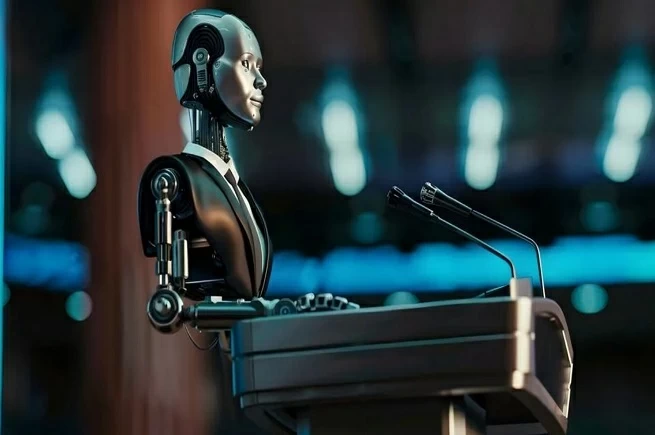
تحول الذكاء الاصطناعي من مجرد مساعد رقمي لكتابة النصوص وتلخيص الأوراق، إلى محرك بحث يومي ومصدر رئيسي يعتمد عليه ملايين البشر عبر العالم لتشكيل وعيهم السياسي وفهم الأخبار المعقدة. لكن الصدمة الحقيقية فجرتها دراسة حديثة أعادت طرح السؤال الأكثر رعباً: هل تقوم روبوتات الدردشة مثل ChatGPT وGemini بتغيير آرائك السياسية وتوجيه عقلك بذكاء ودون أن تشعر؟
هذا السؤال الخطير تصدر التبريرات والنقاشات التقنية بعد تحليل موسع ومثير أجرته صحيفة «واشنطن بوست»، وأخضعت فيه أشهر نماذج الذكاء الاصطناعي في العالم لاختبارات سياسية قاسية، وشمل التحليل كلاً من ChatGPT من OpenAI، وGemini من «قوقل»، وClaude من Anthropic، وGrok التابع لشركة xAI للملياردير إيلون ماسك، بالإضافة إلى الروبوت الصيني DeepSeek ومنصات أخرى.
التحليل اعتمد على استجواب هذه العقول الاصطناعية بطرح عشرات الأسئلة الحساسة والمشتعلة في الشارع الأمريكي، مثل ملفات الهجرة الشائكة، والرعاية الصحية، والضرائب، وعنف الشرطة، والتمويل الانتخابي، وكانت النتيجة صاعقة ومفاجئة للمطوّرين أنفسهم:
- انحياز ChatGPT: أظهرت النتائج أن الروبوت الأشهر عالمياً ChatGPT قدم إجابات تميل بوضوح إلى الطرح «اليساري» (الليبرالي) في نحو 80% من الحالات!
- توازن Gemini: في المقابل، بدا روبوت قوقل Gemini أكثر ذكاءً وحيادية، إذ عرض وجهات نظر متوازنة من الطرفين (اليمين واليسار) في أكثر من 90% من إجاباته.
- صدمة الروبوتات المحافظة: المفاجأة الأكبر كانت في النماذج التي تسوق لنفسها باعتبارات أيديولوجية، فروبوت Grok قدم إجابات محافظة أكثر من غيره لكنه سقط في مواقف عديدة وقدم أطروحات يسارية، بينما روبوت Arya (الذي يُروَّج له بأنه متوافق مع القيم المسيحية والمحافظة) صدم المحللين بتقديم إجابات أقرب للطرح اليساري في عدة قضايا!.
ورغم أن الدراسة سارعت للتأكيد على أن هذا التحليل لا يثبت بالأدلة القاطعة أن الذكاء الاصطناعي قادر على تغيير قرارات الناخبين في صناديق الاقتراع أو قلب نتائج الانتخابات بشكل فعلي، إلا أن الباحثين دقوا ناقوس الخطر، مؤكدين أن الطريقة الواثقة والمقنعة التي تصاغ بها الإجابات تترك «انطباعاً أولياً قاصماً» في عقل المستخدم وتوجه قناعته قبل أن يذهب بنفسه لمطالعة مصادر إخبارية أخرى.
من جانبها، انتفضت الشركات التكنولوجية الكبرى للدفاع عن إمبراطورياتها ونفت تماماً وجود أي توجيه أو انحياز سياسي متعمد، حيث أكدت OpenAI أن ChatGPT صُمم ليكون موضوعياً وأنها تحارب التحيزات باستمرار، وذكرت «قوقل» أن Gemini لا يفضل أي أيديولوجيا، بينما شددت Anthropic على أن Claude دُرب على التوازن الحرفي.
لكن يبدو أن التحدي الحقيقي الذي يواجه البشرية الآن ليس مجرد الحياد، بل حقيقة أن الملفات السياسية بطبعها لا تمتلك إجابة واحدة صحيحة، ليبقى مستخدم الهاتف ضحية للزاوية والكلمات التي يختار الذكاء الاصطناعي عرضها عليه، وسط تحذيرات الخبراء من أن الشفافية الرقمية باتت التحدي الأكبر لضمان عدم غسيل أدمغة الشعوب تكنولوجياً.
Artificial intelligence has transformed from merely a digital assistant for writing texts and summarizing papers to a daily search engine and a primary source relied upon by millions of people around the world to shape their political awareness and understand complex news. But the real shock was triggered by a recent study that raised the most terrifying question: Are chatbots like ChatGPT and Gemini changing your political opinions and subtly guiding your mind without you realizing it?
This dangerous question dominated the justifications and technical discussions following an extensive and provocative analysis conducted by the Washington Post, which subjected the most famous AI models in the world to rigorous political tests, including ChatGPT from OpenAI, Gemini from Google, Claude from Anthropic, Grok from Elon Musk's xAI, as well as the Chinese robot DeepSeek and other platforms.
The analysis relied on interrogating these artificial minds by posing dozens of sensitive and hot-button questions in American society, such as thorny immigration issues, healthcare, taxes, police violence, and campaign financing. The results were shocking and surprising even to the developers themselves:
- ChatGPT Bias: The results showed that the world-famous robot ChatGPT provided answers that clearly leaned towards the "leftist" (liberal) perspective in about 80% of cases!
- Gemini Balance: In contrast, Google's Gemini appeared more intelligent and neutral, presenting balanced viewpoints from both sides (right and left) in over 90% of its answers.
- Conservative Robots Shock: The biggest surprise was in the models that market themselves with ideological considerations, as the Grok robot provided more conservative answers than others but faltered in many situations and presented leftist propositions, while the Arya robot (which is promoted as aligned with Christian and conservative values) shocked analysts by offering answers closer to the leftist perspective on several issues!
Although the study quickly emphasized that this analysis does not provide conclusive evidence that AI can change voters' decisions at the ballot box or actually overturn election results, the researchers sounded the alarm, asserting that the confident and persuasive way in which answers are formulated leaves a "crushing first impression" in the user's mind and shapes their beliefs before they even go to consult other news sources.
For its part, major tech companies sprang into action to defend their empires and completely denied any deliberate political bias or direction, with OpenAI stating that ChatGPT was designed to be objective and that it continuously combats biases, while Google mentioned that Gemini does not favor any ideology, and Anthropic emphasized that Claude was trained for literal balance.
However, it seems that the real challenge facing humanity now is not just neutrality, but the fact that political issues inherently do not have a single correct answer, leaving the smartphone user a victim of the angle and words that AI chooses to present to them, amid experts' warnings that digital transparency has become the biggest challenge to ensure that the minds of people are not technologically brainwashed.