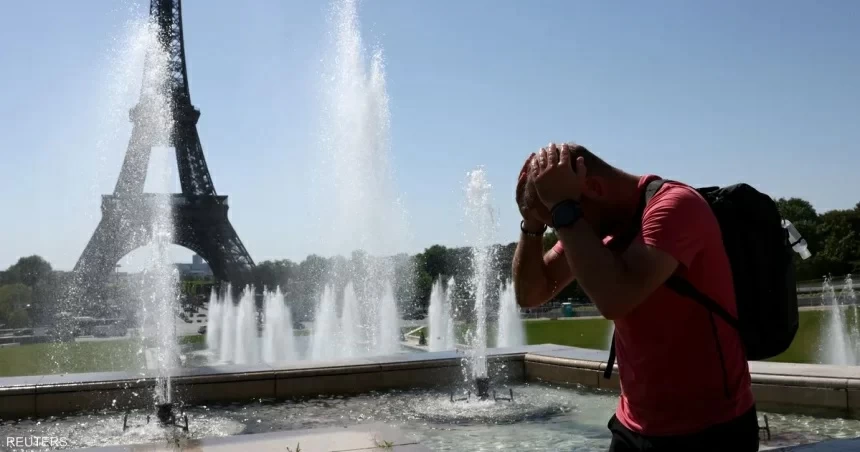
تهدد موجة الحر التي تشهدها فرنسا في هذه الأيام بانكماش الاقتصاد بالتزامن مع تراجع الإنتاجية بنسبة 50 % وضعف الأداء في العمل خصوصا في المهن الميدانية كالبناء والأشغال العامة والزراعة وصيانة الطرق.
تحذيرات حمراء وبرتقالية
وتمتد موجة الحر الاستثنائية التي تضرب فرنسا اليوم (الخميس) نحو الشمال الغربي، إذ أصدرت نشرات تحذير حمراء في 58 مقاطعة وتحذيرات برتقالية في 31 أخرى، ما دفع رئيس الوزراء إلى تفعيل المستوى الثاني من خطة أورسان الطبية الثلاثاء الماضي.
وهذه الحرارة الشديدة لا تنعكس على صحة الفرنسيين فحسب، بل تطال الاقتصاد الفرنسي أيضاً.
خسائر فادحة
تُخلّف كل موجة حر خسائر اقتصادية فادحة على فرنسا، ويؤكد الخبير الاقتصادي لوران كابليتي: «على مدى خمس سنوات، سيصل العجز إلى 250 مليار يورو من الناتج المحلي الإجمالي، وهذا رقم هائل بكل المقاييس».
ويعادل هذا المبلغ المتوقع بلوغه بحلول 2030، 7% من الناتج المحلي الإجمالي الفرنسي سنوياً، ويشير خبراء الاقتصاد إلى وجود تكاليف غير مباشرة، مرتبطة باضطرار الشركات إلى إبرام المزيد من عقود التأمين، وتطوير أنظمة لترشيد استهلاك الطاقة، فضلاً عن اعتماد آليات أكثر فعالية لحماية العمال.
وفي مواجهة هذا التحدي، رصدت الحكومة الفرنسية 1.7 مليار يورو لدعم التكيف المناخي، غير أن الخبراء يرون أن هذا الجهد يبقى دون مستوى الطموح المطلوب.
العمل بالحد الأدنى
وأوضح رئيس منظمة أرباب العمل الفرنسية (ميديف) لباتريك مارتان، أن فرنسا تعمل بالحد الأدنى؛ لاسيما أن أصحاب الأعمال يطبّقون، قدر الإمكان، التوصيات الرامية إلى حماية موظفيهم، ما يؤدي إلى اضطراب في سير العمل في حالات بعينها، وبالتالي تتراجع الإنتاجية.
من جانبها، قالت رئيسة مؤسسة ونائبة رئيس اتحاد المقاولات والمهن الصغيرة والمتوسطةCPME كاترين غيرنيو، «في صناعة النجارة مثلاً، يتعذّر العمل في المواد حين تشتد الحرارة، بسبب ظاهرة التمدد الحراري، وموظفوها مختصون في تصنيع النوافذ وتركيبها، ما يستوجب في ظل هذه الحرارة التكيّف مع الواقع، بتعديل ساعات العمل، غير أن ذلك لا يكون سهلاً دائماً».
انخفاض الناتج المحلي 0.5%
في مقاطعتها، فال-دو-مارن، صدر مرسوم للسماح بانطلاق بعض أعمال البناء من الساعة الخامسة صباحاً، إلا أن تطبيق ذلك ينطوي هو الآخر على تعقيدات.
ولا يسلم شيء من التعقيد في حقبة قد تكلّف الاقتصاد ما بين 0.3 و0.5% من الناتج المحلي الإجمالي، وفق أنا كريتي، أستاذة الاقتصاد في جامعة باريس-دوفين. وتقول: «يمكن إجراء مقارنة بأيام الإضراب: 0.5% تعادل نصف يوم إضراب. وبالنسبة لموجة حر امتدت ثلاثة أيام، نكون قد تجاوزنا هذا العتبة فعلاً».
The heatwave currently affecting France threatens to shrink the economy, coinciding with a 50% decline in productivity and weakened performance at work, especially in field professions such as construction, public works, agriculture, and road maintenance.
Red and Orange Warnings
The exceptional heatwave hitting France today (Thursday) is extending towards the northwest, with red warning alerts issued in 58 departments and orange warnings in 31 others, prompting the Prime Minister to activate the second level of the Orsan medical plan last Tuesday.
This extreme heat not only impacts the health of the French people but also affects the French economy.
Severe Losses
Each heatwave leaves severe economic losses for France, and economist Laurent Capliti confirms: "Over five years, the deficit will reach 250 billion euros of GDP, which is an enormous figure by any measure."
This expected amount by 2030 is equivalent to 7% of the French GDP annually, and economists point to indirect costs associated with companies having to enter into more insurance contracts, developing systems to rationalize energy consumption, as well as adopting more effective mechanisms to protect workers.
In response to this challenge, the French government has allocated 1.7 billion euros to support climate adaptation, but experts believe that this effort remains below the required ambition.
Working at Minimum
Patrick Martin, head of the French employers' organization (Medef), explained that France is operating at a minimum; especially since employers are implementing, as much as possible, recommendations aimed at protecting their employees, which leads to disruptions in work processes in certain cases, and thus productivity declines.
For her part, Catherine Guernio, president of the CPME (Union of Small and Medium Enterprises) and deputy president of the organization, stated, "In the carpentry industry, for example, it becomes impossible to work with materials when the heat intensifies due to thermal expansion, and its employees specialize in manufacturing and installing windows, which requires adapting to the reality under this heat by adjusting working hours, but this is not always easy."
GDP Decline of 0.5%
In her department, Val-de-Marne, a decree was issued to allow some construction work to start from five in the morning, but implementing this also involves complications.
Nothing escapes complexity in an era that could cost the economy between 0.3% and 0.5% of GDP, according to Anna Kryti, an economics professor at the University of Paris-Dauphine. She says: "A comparison can be made with strike days: 0.5% is equivalent to half a day of strike. For a heatwave that lasted three days, we have indeed surpassed this threshold."