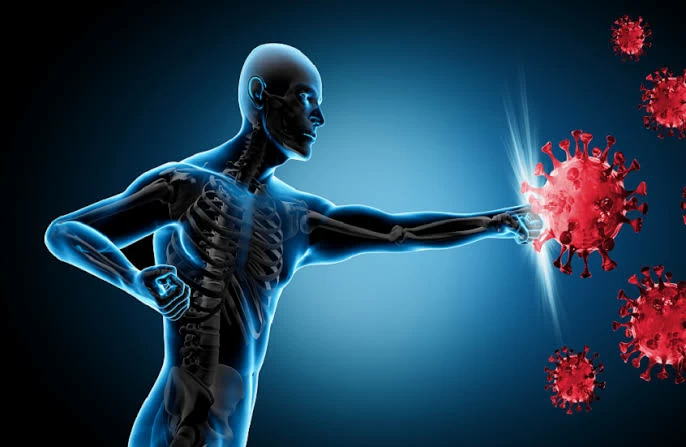
كشفت دراسة حديثة أجراها باحثون من جامعة سيتشينوف الطبية في روسيا أن التغيرات المرتبطة بضعف الجهاز المناعي تبدأ في سن أبكر مما كان يُعتقد سابقاً، إذ تظهر مؤشرات التراجع بين 30 و40 عاماً بدلاً من اقتصارها على مراحل الشيخوخة المتقدمة.
وبحسب الدراسة، التي نُفذت بالتعاون مع معهد بحوث المناعة الأساسية والسريرية في نوفوسيبيرسك، فإن الخلايا المناعية تفقد تدريجياً قدرتها على الاستجابة للإشارات الالتهابية، ما يؤدي إلى اختلال في التوازن المناعي وزيادة احتمالات الالتهابات المزمنة مع التقدم في العمر.
واعتمد الباحثون على تحليل عينات دم لـ144 متطوعاً سليماً تراوح أعمارهم بين 18 و59 عاماً، مع دراسة مستقبلات السيتوكينات الالتهابية على سطح الخلايا المناعية.
وأظهرت النتائج انخفاضاً في نشاط بعض الخلايا المناعية وتغيرات في الخلايا اللمفاوية التائية، ما يعكس تحولات تدريجية في آلية استجابة الجهاز المناعي مع العمر.
ويرى القائمون على الدراسة أن هذه النتائج قد تسهم في تحسين فهم التغيرات المناعية المرتبطة بالتقدم في السن، وتطوير أساليب وقائية وعلاجية للحد من الأمراض المرتبطة به.
A recent study conducted by researchers from the Sechenov Medical University in Russia has revealed that changes associated with weakened immune function begin at an earlier age than previously thought, with signs of decline appearing between the ages of 30 and 40 instead of being limited to advanced aging stages.
According to the study, which was carried out in collaboration with the Institute of Basic and Clinical Immunology Research in Novosibirsk, immune cells gradually lose their ability to respond to inflammatory signals, leading to an imbalance in immune function and an increased likelihood of chronic inflammation as one ages.
The researchers relied on the analysis of blood samples from 144 healthy volunteers aged between 18 and 59, studying the receptors of inflammatory cytokines on the surface of immune cells.
The results showed a decrease in the activity of certain immune cells and changes in T lymphocytes, reflecting gradual transformations in the immune response mechanism with age.
The study's authors believe that these findings could contribute to a better understanding of immune changes associated with aging and the development of preventive and therapeutic methods to reduce age-related diseases.