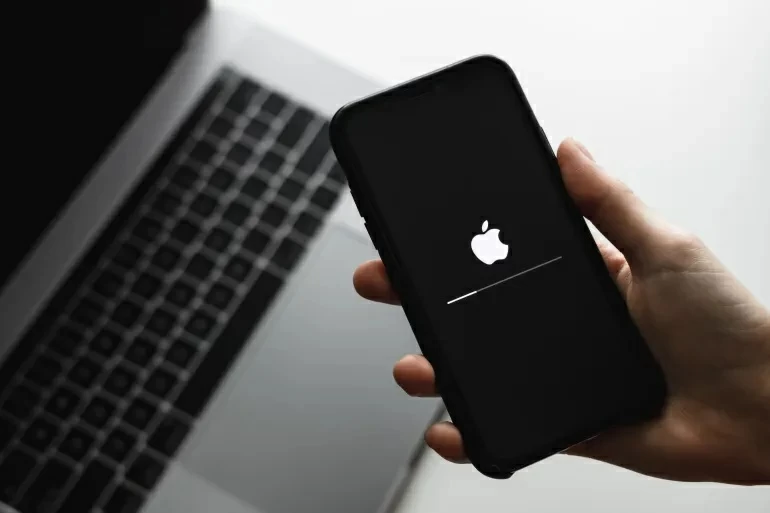
لم يعد اختراق الحسابات الشخصية يبدأ ببرمجيات معقّدة أو هجمات إلكترونية ضخمة تتطلّب خوارزميات فائقة، بل قد يبدأ ببساطة شديدة عبر رسالة قصيرة أو نافذة منبثقة تظهر فجأة على شاشة هاتفك، وتدّعي زيفاً أن حسابك في شركة «أبل» بات في خطر محدق.
وخلال الأسابيع الأخيرة، حذرت تقارير تقنية متخصصة من انتشار موجة احتيال جديدة ومنظمة تحمل اسم «Apple High Alert»، تستهدف بشكل مباشر مستخدمي أجهزة آيفون عبر رسائل ومكالمات وتنبيهات مزيفة، توحي بأن حساباتهم تعرضت للاختراق أو أن هناك نشاطاً مشبوهاً يهدّد بياناتهم الشخصية.
وتعتمد هذه الخدعة الشيطانية على عنصر سيكولوجي واحد فقط وهو: الخوف. ففور ظهور التحذير على الشاشة، يُدفع المستخدم للاعتقاد بأن صوره الخاصة، وبياناته البنكية، وملفاته المخزنة على سحابة «آي كلاود» أصبحت مهددة بالضياع أو الانتشار، مما يدفع الكثيرين إلى التصرف المتسرع والضغط قبل التحقق من صحة الرسالة.
ولكن المفاجأة الصادمة أن الرسالة التنبيهية نفسها هي الفخ، فبمجرد الضغط على الرابط المرفق أو الاتصال بالرقم الموجود داخل التنبيه، يبدأ المحتالون بمحاولة انتزاع معلومات شديدة الحساسية مثل كلمة مرور حساب (Apple ID) أو رموز التحقق الثنائية السرية أو بيانات البطاقات المصرفية.
وفي بعض الحالات الأكثر خطورة، ينجح المهاجمون في إقناع الضحية بتثبيت برامج خبيثة تمنحهم القدرة على التحكم بالجهاز بالكامل عن بُعد، مما يحول الهاتف الشخصي بكل ما فيه إلى كنز مفتوح ومستباح أمام القراصنة.
ويحذر خبراء الأمن السيبراني من أن خطورة هذه العمليات تكمن في حجم المعلومات الضخم المرتبط بحسابات «أبل»؛ إذ تحتوي غالباً على الصور العائلية، وجهات الاتصال، والنسخ الاحتياطية، وكلمات المرور، وبيانات الدفع، مما يجعل الاستيلاء على الحساب هدفاً بالغ القيمة والخطورة للمحتالين.
من جهتها، سارعت شركة Apple بالرد مؤكدة أن فريقها الرسمي لا يطلب أبداً كلمات المرور، أو رموز التحقق، أو بطاقات الهدايا عبر الرسائل أو المكالمات الهاتفية، داعية المستخدمين بلهجة حاسمة إلى تجاهل أي تنبيه غير متوقع يطالبهم بإجراءات عاجلة. ومع تطور أدوات الذكاء الاصطناعي وازدياد قدرة المحتالين على تقليد الرسائل الرسمية بدقة، يصبح التحقق هو الخطوة الوحيدة للنجاة من سرقة بياناتك الرقمية بالكامل.
The breach of personal accounts no longer begins with complex software or massive cyberattacks requiring advanced algorithms; it can simply start with a short message or a pop-up window that suddenly appears on your phone screen, falsely claiming that your account with "Apple" is in imminent danger.
In recent weeks, specialized tech reports have warned of the spread of a new and organized scam named "Apple High Alert," which directly targets iPhone users through fake messages, calls, and alerts, suggesting that their accounts have been compromised or that there is suspicious activity threatening their personal data.
This diabolical trick relies on just one psychological element: fear. As soon as the warning appears on the screen, the user is led to believe that their personal photos, banking information, and files stored on "iCloud" are at risk of being lost or leaked, prompting many to act hastily and click before verifying the authenticity of the message.
However, the shocking surprise is that the alert message itself is the trap; once the user clicks on the attached link or calls the number provided in the alert, the scammers begin attempting to extract highly sensitive information such as the Apple ID account password, secret two-factor authentication codes, or banking card details.
In some of the more severe cases, attackers succeed in convincing the victim to install malicious software that gives them the ability to control the device entirely from a distance, turning the personal phone, with all its contents, into an open and vulnerable treasure for hackers.
Cybersecurity experts warn that the danger of these operations lies in the vast amount of information associated with "Apple" accounts; they often contain family photos, contacts, backups, passwords, and payment data, making account takeover a highly valuable and dangerous target for scammers.
For its part, Apple quickly responded, confirming that its official team never asks for passwords, verification codes, or gift cards via messages or phone calls, urging users in a firm tone to ignore any unexpected alerts requesting urgent actions. As artificial intelligence tools evolve and scammers' ability to accurately mimic official messages increases, verification becomes the only step to survive the complete theft of your digital data.