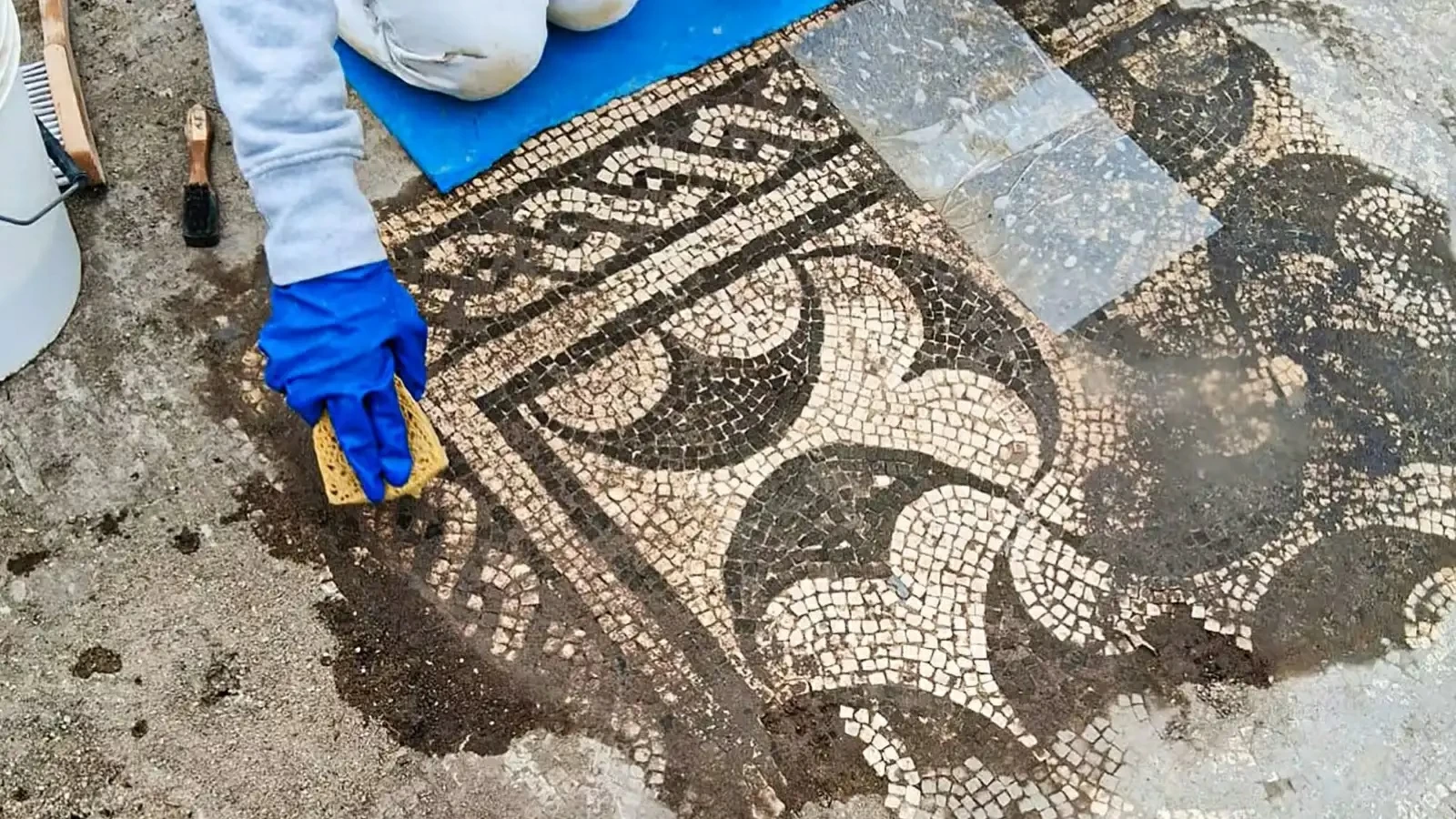
في اكتشاف أثري لافت قرب العاصمة الإيطالية روما، عثرت السلطات على بقايا فيلا رومانية فاخرة مزينة بفسيفساء دقيقة الصنع، بعد أن قادت أنشطة تنقيب غير قانونية إلى كشف الموقع الذي ظل مطموراً لقرون.
وبحسب ما أوردته شبكة «سي إن إن»، يقع الموقع في منطقة كاستيل دي غويدو على بعد نحو 19 كيلومتراً غرب روما، ضمن نطاق لوريوم التاريخي الذي كان في العصر الإمبراطوري مركزاً لمساكن النخبة ومقراً لعدد من الأباطرة.
وجاء الكشف بعد بلاغات من سكان محليين حول أعمال حفر مشبوهة، ما دفع السلطات الإيطالية إلى التدخل، حيث رُصدت مؤشرات على تنقيب غير مصرح به قبل أن يلوذ المتورطون بالفرار، فيما تم تأمين الموقع ووقف الأعمال فوراً.
وخلال عمليات المسح الأثري، تم العثور على بقايا فيلا تعود للعصر الروماني الإمبراطوري، تضم قاعات مزينة وأرضيات فسيفسائية، إضافة إلى فناء داخلي يتوسطه حوض لتجميع مياه الأمطار.
كما كشفت الاكتشافات عن زخارف رخامية وقطع فنية، بينها بقايا تمثال يُعتقد أنه للإله الروماني سيلفانوس، ما يعزز فرضية ارتباط الموقع بشخصيات من الطبقة الأرستقراطية في روما القديمة.
وتواصل الفرق الأثرية أعمال التنقيب والدراسة في الموقع، في وقت تعمل السلطات على إعداد خطة لفتحه تدريجياً أمام الزوار بعد استكمال التوثيق والحفاظ على المكتشفات.
In a striking archaeological discovery near the Italian capital Rome, authorities found the remains of a luxurious Roman villa adorned with finely crafted mosaics, after illegal excavation activities led to the uncovering of a site that had been buried for centuries.
According to CNN, the site is located in the Castel di Guido area, about 19 kilometers west of Rome, within the historic region of Laurium, which was a center for elite residences and the home of several emperors during the imperial era.
The discovery came after reports from local residents about suspicious digging activities, prompting Italian authorities to intervene, as signs of unauthorized excavation were detected before the culprits fled, while the site was secured and work was immediately halted.
During the archaeological surveys, remains of a villa dating back to the Roman imperial era were found, including decorated halls and mosaic floors, in addition to an inner courtyard featuring a basin for collecting rainwater.
The discoveries also revealed marble decorations and artistic pieces, including the remains of a statue believed to be of the Roman god Silvanus, which strengthens the hypothesis of the site's connection to figures from the aristocracy of ancient Rome.
Archaeological teams continue their excavation and study work at the site, while authorities are preparing a plan to gradually open it to visitors after completing documentation and preservation of the findings.