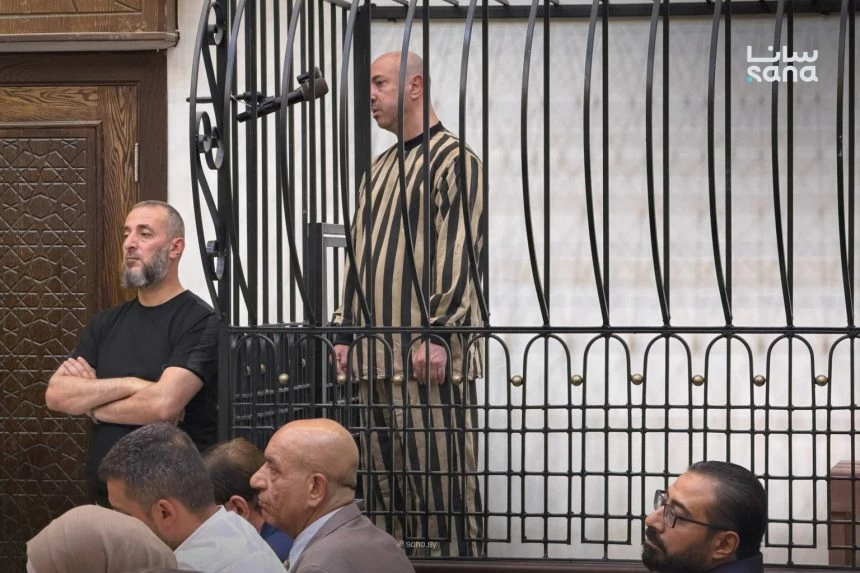
أصدر القضاء السوري، (الثلاثاء)، حكماً بالإعدام على وسيم الأسد، أحد رموز النظام السابق، وابن عم بشار الأسد. وأكدت محكمة الجنايات الرابعة بدمشق أن المتهم متورط في جرائم ضد الإنسانية بحق الشعب السوري.
وشدد القاضي خلال تلاوته للحكم على أن الأسد ارتكب جرائم بحق المدنيين في الغوطة الشرقية، بعضها بدوافع طائفية. وأعلنت المحكمة أن الموقوف شارك في قتل وتعذيب مدنيين في جرمانا، وارتكب جرائم ضد الإنسانية.
وكانت النيابة العامة في دمشق قد طالبت في الجلسة السابقة بإنزال عقوبة الإعدام بحق وسيم الأسد، خلال ثالث جلسات محاكمته، ضمن سلسلة محاكمات بحق متهمين بارتكاب جرائم زمن النظام السابق.
جاء طلب النيابة، وفق الهيئة الوطنية للعدالة الانتقالية، مستنداً إلى "الأدلة والشهادات التي أثبتت تورط المتهم في جرائم القتل العمد، وترويج المخدرات، والاعتداء على سلامة الوطن والسلم الأهلي". طالبت النيابة بإنزال "أقصى العقوبات" وهي الإعدام.
ومثل وسيم الأسد للمرة الأولى أمام القضاء السوري في 24 يونيو الماضي، حيث واجه تهماً تتعلق بـ"إدارة وتشكيل مجموعات مسلحة غير نظامية بتكليف من العميد غياث دلا قائد لواء في الفرقة الرابعة التابعة للنظام السابق بقيادة ماهر الأسد منذ مطلع عام 2011، والمشاركة في عمليات عسكرية واسعة استهدفت مناطق مدنية في الغوطة الشرقية ولا سيما بلدة المليحة، وأسفرت عن مقتل عدد كبير من المدنيين".
يُذكر أن محكمة الجنايات الرابعة بدمشق أصدرت (الثلاثاء) الماضي أحكاماً بالإعدام حضورياً بحق المتهم عاطف نجيب، وغيابياً بحق عدد من أبرز رموز النظام السابق، وفي مقدمتهم المجرمان الهاربان بشار الأسد وماهر الأسد وخمسة مجرمين فارين آخرين، لإدانتهم بارتكاب جرائم قتل وتعذيب وحرمان من الحرية وجرائم ضد الإنسانية وجرائم حرب، في حين أُسقطت دعوى الحق العام عن المتهم محمد أيمن عيوش بسبب وفاته.
The Syrian judiciary issued a death sentence on (Tuesday) against Waseem Al-Assad, one of the symbols of the former regime. The Fourth Criminal Court in Damascus confirmed that the accused is involved in crimes against humanity against the Syrian people.
The judge emphasized during the reading of the verdict that Al-Assad committed crimes against civilians in Eastern Ghouta, some of which were motivated by sectarianism. The court announced that the detainee participated in the killing and torture of civilians in Jaramana and committed crimes against humanity.
The Public Prosecution in Damascus had requested in the previous session the imposition of the death penalty against Waseem Al-Assad during the third session of his trial, as part of a series of trials against those accused of committing crimes during the time of the former regime.
The prosecution's request, according to the National Commission for Transitional Justice, was based on "evidence and testimonies that proved the accused's involvement in premeditated murder, drug trafficking, and assaulting the integrity of the homeland and civil peace." The prosecution demanded the imposition of the "harshest penalties," which is the death penalty.
Waseem Al-Assad appeared before the Syrian judiciary for the first time on June 24 of last year, where he faced charges related to "managing and forming irregular armed groups commissioned by Brigadier General Ghiyath Dalla, a commander of a brigade in the Fourth Division of the former regime led by Maher Al-Assad since early 2011, and participating in extensive military operations targeting civilian areas in Eastern Ghouta, particularly the town of Mleiha, resulting in the deaths of a large number of civilians."
It is noteworthy that the Fourth Criminal Court in Damascus issued (last Tuesday) death sentences in absentia against the accused Atef Najib, and in absentia against several prominent symbols of the former regime, including the fugitive criminals Bashar Al-Assad and Maher Al-Assad and five other fugitive criminals, for their conviction of committing crimes of murder, torture, deprivation of liberty, crimes against humanity, and war crimes, while the public prosecution case against the accused Muhammad Ayman Ayoush was dropped due to his death.