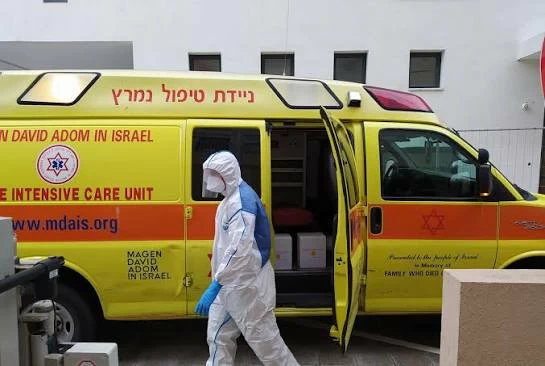
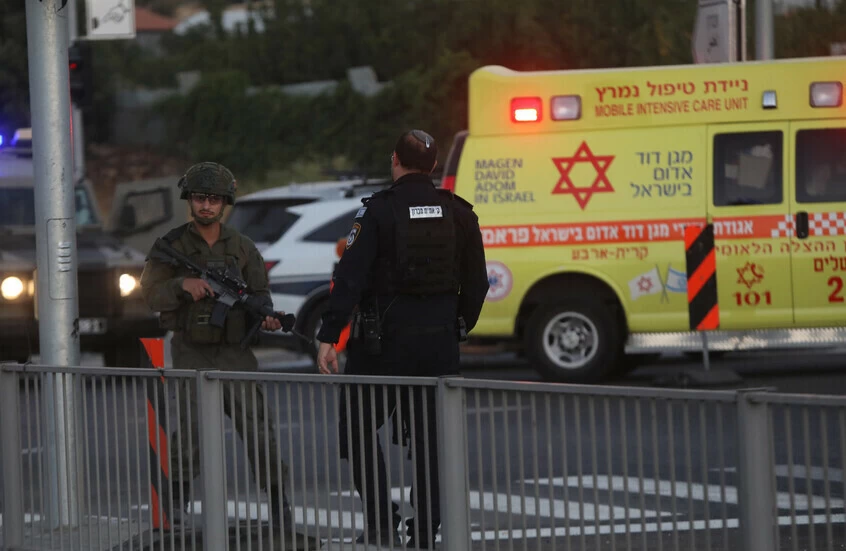
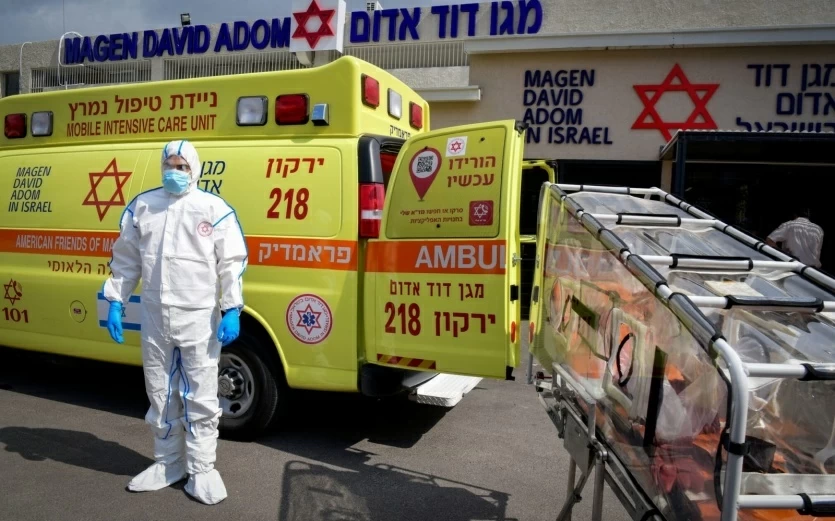
تواجه إسرائيل حالة من الاستنفار الصحي بعد إعلان وزارة الصحة الإسرائيلية وضع شخص ثانٍ تحت الحجر الصحي للاشتباه بإصابته بفايروس إيبولا، عقب عودته قبل يومين من جمهورية الكونغو الديموقراطية، في وقت تكثف السلطات إجراءاتها الاحترازية لمنع تسلل العدوى.
أعراض مقلقة وعزل فوري
وأوضحت وزارة الصحة الإسرائيلية أن المشتبه به توجه لطلب الرعاية الطبية بعد ظهور أعراض تشمل الحمى والصداع، وهي أعراض قد تتشابه مع العلامات الأولية للإصابة بالفايروس.
وأضافت أن الشخص نُقل إلى مركز طبي مخصص ووُضع في غرفة عزل مزودة بنظام ضغط سلبي، مع بدء إجراءات تتبع المخالطين، تحسبًا لأي انتقال محتمل للعدوى.
ثاني حالة اشتباه ترفع مستوى التأهب
ويأتي التطور الجديد بعد أيام من إعلان حالة اشتباه أولى، ما دفع السلطات الإسرائيلية إلى رفع مستوى الجاهزية، عبر تعزيز إجراءات المراقبة الصحية، وتقييم مخاطر القادمين من المناطق التي تشهد انتشار الفايروس، وتجهيز مرافق العزل المتخصصة.
وأكدت وزارة الصحة الإسرائيلية عدم تسجيل أي إصابة مؤكدة حتى الآن، مشددة على أن الإجراءات المتخذة احترازية وتهدف إلى احتواء أي خطر محتمل.
تفشٍ أفريقي يثير المخاوف الدولية
ويتزامن التحرك الإسرائيلي مع استمرار تفشي إيبولا في مناطق من أفريقيا، خصوصًا جمهورية الكونغو الديموقراطية وأوغندا، وسط مخاوف من اتساع نطاق انتشار الفايروس في ظل النزاعات والنزوح والحركة السكانية الكثيفة.
فايروس قاتل وأعراض تبدأ بالحمى
ويعد فايروس إيبولا من الأمراض الفايروسية شديدة الخطورة، وينتقل عبر الاتصال المباشر بسوائل جسم المصاب، وتتراوح فترة حضانته بين يومين و21 يومًا.
وتبدأ أعراض الإصابة عادة بالحمى الشديدة والصداع والإرهاق وآلام العضلات، وقد تتطور في بعض الحالات إلى مضاعفات خطيرة تشمل النزيف وفشل الأعضاء.
الوقاية والعزل سلاح المواجهة
وتواصل الجهات الصحية الدولية دعم جهود الكشف المبكر والعزل وتتبع المخالطين، باعتبارها الإجراءات الأهم للحد من انتشار الفايروس، في وقت تستمر فيه مراقبة المناطق المتضررة وتعزيز الاستجابة الصحية.
Israel is facing a state of health alert following the Israeli Ministry of Health's announcement of a second person placed under quarantine due to suspicion of being infected with the Ebola virus, after returning two days ago from the Democratic Republic of the Congo, while authorities intensify their precautionary measures to prevent the spread of infection.
Worrisome Symptoms and Immediate Isolation
The Israeli Ministry of Health explained that the suspect sought medical care after experiencing symptoms including fever and headache, which may resemble the initial signs of infection with the virus.
It added that the person was transferred to a designated medical center and placed in an isolation room equipped with a negative pressure system, with contact tracing procedures initiated in anticipation of any potential transmission of the infection.
Second Suspected Case Raises Alert Level
This new development comes days after the announcement of the first suspected case, prompting Israeli authorities to raise the level of readiness by enhancing health monitoring measures, assessing risks from individuals arriving from areas experiencing virus outbreaks, and preparing specialized isolation facilities.
The Israeli Ministry of Health confirmed that no confirmed infections have been recorded so far, emphasizing that the measures taken are precautionary and aim to contain any potential threat.
African Outbreak Raises International Concerns
The Israeli action coincides with the ongoing outbreak of Ebola in parts of Africa, particularly the Democratic Republic of the Congo and Uganda, amid fears of the virus spreading further due to conflicts, displacement, and dense population movements.
Deadly Virus with Symptoms Starting with Fever
The Ebola virus is considered one of the highly dangerous viral diseases, transmitted through direct contact with the bodily fluids of an infected person, with an incubation period ranging from two to 21 days.
Symptoms of infection typically begin with severe fever, headache, fatigue, and muscle pain, and may develop in some cases into serious complications including bleeding and organ failure.
Prevention and Isolation as Weapons of Confrontation
International health authorities continue to support efforts for early detection, isolation, and contact tracing, considering these the most important measures to limit the spread of the virus, while monitoring affected areas and enhancing health responses continues.