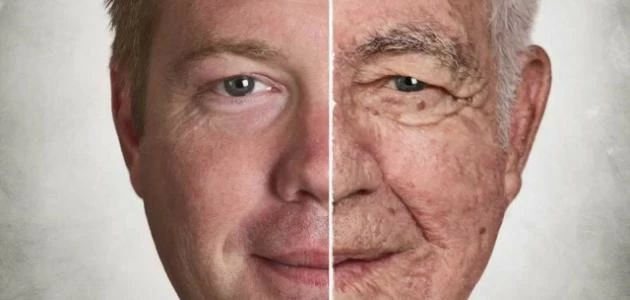
مع التقدم في العمر، لا تقتصر علامات الشيخوخة على ظهور التجاعيد أو الشيب فقط، بل تمتد لتشمل تغيرات عديدة قد تبدو غريبة أو مزعجة، مثل قصر القامة تدريجيًا، وتحرك الأسنان من أماكنها، وتساقط الشعر من الرأس مقابل نموه في مناطق أخرى، إلى جانب ضعف العضلات وزيادة الحاجة إلى دخول الحمام.
وبحسب صحيفة التلغراف، يؤكد خبراء الشيخوخة أن هذه التغيرات ترتبط بعوامل بيولوجية طبيعية تحدث داخل الجسم مع مرور الوقت، إلا أن جزءًا كبيرًا منها يمكن التخفيف من حدته من خلال نمط حياة صحي يعتمد على التغذية السليمة والنشاط البدني المنتظم.
نوعان من الشيخوخة
ويوضح البروفيسور لي بريين، المتخصص في أبحاث طول العمر، أن الشيخوخة تنقسم إلى نوعين رئيسيين؛ الأول هو الشيخوخة البيولوجية الطبيعية، حيث تفقد الخلايا قدرتها على التجدد بالكفاءة نفسها التي كانت عليها في مرحلة الشباب، ما يؤدي إلى ظهور التجاعيد والشيب وضعف الكتلة العظمية وبطء ردود الفعل.
أما النوع الثاني، فيرتبط بعوامل خارجية مثل قلة النشاط البدني وسوء التغذية والتدخين والأمراض المزمنة، وهي عوامل يمكن تعديلها أو الحد من تأثيرها.
الأسنان تتحرك مع التقدم في العمر
على عكس الاعتقاد السائد، لا تبقى الأسنان ثابتة في أماكنها طوال الحياة. فمع مرور السنوات تتعرض عظام الفك والأنسجة الداعمة للأسنان لتغيرات تدريجية، كما يؤدي فقدان بعض الأسنان أو الإصابة بأمراض اللثة إلى تحرك الأسنان المجاورة وانجرافها نحو الفراغات.
وينصح الأطباء بمراجعة طبيب الأسنان عند ملاحظة تزاحم جديد للأسنان أو ظهور فراغات غير معتادة أو الشعور بحركة الأسنان، لأن هذه العلامات قد تشير إلى فقدان في كثافة العظام أو التهابات في اللثة.
لماذا نصبح أقصر قامة؟
يبدأ معظم الأشخاص بفقدان جزء من طولهم بعد سن الأربعين نتيجة تآكل الغضاريف بين فقرات العمود الفقري وضعف العضلات الداعمة للظهر والبطن.
وتشير الدراسات إلى أن الرجال قد يفقدون نحو 2.5 سنتيمتر من طولهم بحلول سن السبعين، بينما قد تفقد النساء نحو 5 سنتيمترات، خصوصًا بعد انقطاع الطمث بسبب انخفاض هرمون الإستروجين الذي يلعب دورًا مهمًا في الحفاظ على كثافة العظام.
ويؤكد الخبراء أن تمارين المقاومة والمشي المنتظم والحصول على كميات كافية من الكالسيوم وفيتامين «د» يمكن أن تساعد في الحفاظ على صحة العظام وتقليل معدل فقدان الطول.
الشعر يتساقط من الرأس ويظهر في أماكن أخرى
يعد تغير توزيع الشعر من أكثر علامات الشيخوخة وضوحًا، فمع التقدم في العمر ينخفض مستوى بعض الهرمونات، ما يؤدي إلى ترقق شعر الرأس لدى النساء وزيادة ظهور الشعر الخشن في الوجه، خصوصًا بعد انقطاع الطمث.
أما لدى الرجال، فتؤدي التغيرات الهرمونية إلى زيادة تساقط شعر الرأس مع استمرار نمو شعر الوجه واللحية بصورة طبيعية.
ويعتبر عقار «مينوكسيديل» من أكثر العلاجات المستخدمة للحد من تساقط الشعر، إلى جانب بعض الإجراءات الحديثة مثل العلاج بالبلازما وتقنيات تحفيز نمو الشعر.
ضعف العضلات وصعوبة الحركة
وبعد سن الأربعين يبدأ الجسم بفقدان ما بين 1 و2% من الكتلة العضلية سنويًا، وهو ما يفسر الشعور المتزايد بالإجهاد وصعوبة النهوض من المقاعد أو حمل الأوزان مقارنة بسنوات الشباب.
ويشدد المتخصصون على أهمية ممارسة تمارين القوة مرتين أسبوعيًا على الأقل للحفاظ على الكتلة العضلية والاستقلالية الحركية في مراحل العمر المتقدمة.
كثرة التبول ليلًا
تعد الحاجة المتكررة إلى دخول الحمام أثناء الليل من المشكلات الشائعة لدى كبار السن، إذ يعاني منها نحو نصف الأشخاص في الستينات من العمر، وترتفع النسبة إلى نحو 80% في أواخر السبعينات.
ويرجع ذلك إلى تغيرات في هرمونات تنظيم البول، إضافة إلى أن النوم يصبح أخف مع التقدم في العمر، ما يجعل الشخص أكثر انتباهًا للإشارات الصادرة من المثانة.
وينصح الخبراء بتقليل شرب السوائل قبل النوم بساعتين، واستشارة الطبيب في حال تكرار المشكلة بشكل يؤثر على جودة النوم.
تراجع الشعور بالعطش
من التغيرات الأقل شهرة أن الإحساس بالعطش يضعف تدريجيًا لدى كبار السن، خصوصًا بعد سن الثمانين، ما يزيد من خطر الإصابة بالجفاف.
ولهذا السبب ينصح الأطباء بالحرص على شرب الماء والسوائل بانتظام حتى في حال عدم الشعور بالعطش، للحفاظ على وظائف الجسم والوقاية من المضاعفات الصحية المرتبطة بالجفاف.
هل يمكن إبطاء الشيخوخة؟
رغم أن الشيخوخة عملية طبيعية لا يمكن إيقافها، فإن الخبراء يؤكدون أن اتباع نظام غذائي متوازن، وممارسة النشاط البدني بانتظام، والحفاظ على صحة العظام والعضلات، والمتابعة الطبية الدورية يمكن أن يبطئ العديد من مظاهر التدهور المرتبطة بالتقدم في العمر، ويمنح الإنسان سنوات إضافية من النشاط والاستقلالية وجودة الحياة.
As we age, the signs of aging are not limited to the appearance of wrinkles or gray hair; they extend to include numerous changes that may seem strange or bothersome, such as a gradual decrease in height, the shifting of teeth from their positions, hair loss from the head while it grows in other areas, along with muscle weakness and an increased need to use the bathroom.
According to The Telegraph, aging experts confirm that these changes are linked to natural biological factors that occur within the body over time, but a significant portion of them can be mitigated through a healthy lifestyle based on proper nutrition and regular physical activity.
Two Types of Aging
Professor Lee Breen, a specialist in longevity research, explains that aging is divided into two main types; the first is natural biological aging, where cells lose their ability to regenerate with the same efficiency they had in youth, leading to the appearance of wrinkles, gray hair, weakened bone mass, and slower reflexes.
The second type is associated with external factors such as lack of physical activity, poor nutrition, smoking, and chronic diseases, which are factors that can be modified or their effects reduced.
Teeth Shift with Age
Contrary to popular belief, teeth do not remain fixed in place throughout life. Over the years, the jawbone and the supporting tissues of the teeth undergo gradual changes, and the loss of some teeth or the onset of gum disease can cause adjacent teeth to shift and drift into the gaps.
Doctors recommend visiting a dentist if you notice new crowding of teeth, unusual gaps, or a feeling of movement in the teeth, as these signs may indicate a loss of bone density or gum inflammation.
Why Do We Become Shorter?
Most people begin to lose some height after the age of forty due to the wear of cartilage between the vertebrae and the weakening of the muscles supporting the back and abdomen.
Studies indicate that men may lose about 2.5 centimeters of height by the age of seventy, while women may lose about 5 centimeters, especially after menopause due to the decrease in estrogen, which plays an important role in maintaining bone density.
Experts confirm that resistance exercises, regular walking, and getting adequate amounts of calcium and vitamin D can help maintain bone health and reduce the rate of height loss.
Hair Falls from the Head and Grows in Other Places
Changes in hair distribution are among the most visible signs of aging. As we age, the levels of certain hormones decrease, leading to thinning hair on the head in women and an increase in coarse hair on the face, especially after menopause.
In men, hormonal changes lead to increased hair loss on the head while facial and beard hair continues to grow normally.
The drug "Minoxidil" is one of the most commonly used treatments to reduce hair loss, along with some modern procedures such as plasma therapy and hair growth stimulation techniques.
Muscle Weakness and Difficulty Moving
After the age of forty, the body begins to lose between 1% and 2% of muscle mass annually, which explains the increasing feeling of fatigue and difficulty getting up from seats or lifting weights compared to younger years.
Specialists emphasize the importance of performing strength training exercises at least twice a week to maintain muscle mass and mobility independence in later stages of life.
Frequent Urination at Night
The frequent need to use the bathroom at night is a common issue among the elderly, affecting about half of people in their sixties, with the percentage rising to about 80% in the late seventies.
This is due to changes in hormones that regulate urination, in addition to the fact that sleep becomes lighter with age, making a person more alert to signals from the bladder.
Experts recommend reducing fluid intake two hours before bedtime and consulting a doctor if the problem recurs in a way that affects sleep quality.
Decreased Sense of Thirst
One of the lesser-known changes is that the sensation of thirst gradually weakens in the elderly, especially after the age of eighty, increasing the risk of dehydration.
For this reason, doctors advise ensuring regular intake of water and fluids even when not feeling thirsty, to maintain bodily functions and prevent health complications associated with dehydration.
Can Aging Be Slowed Down?
Although aging is a natural process that cannot be stopped, experts confirm that following a balanced diet, engaging in regular physical activity, maintaining bone and muscle health, and having regular medical check-ups can slow many of the deterioration signs associated with aging, granting individuals additional years of activity, independence, and quality of life.