في اكتشاف أثري جديد يضيف صفحة مهمة إلى سجل الحضارة المصرية العريقة، نجحت البعثة الأثرية المصرية التابعة للمجلس الأعلى للآثار بمنطقة إهناسيا المدينة بمحافظة بني سويف، في الكشف عن مجموعة من المكتشفات الأثرية المهمة التي تسلط الضوء على المكانة الدينية والحضارية التي تمتعت بها المدينة عبر العصور المصرية القديمة واليونانية والرومانية.
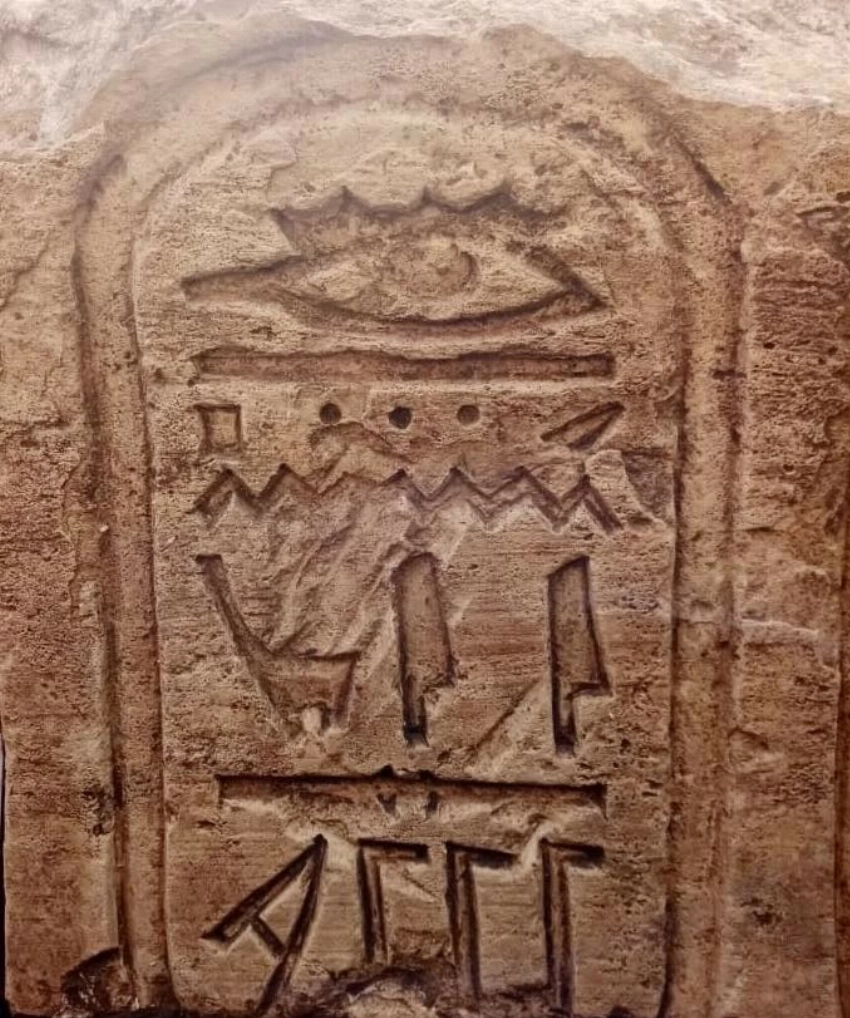
وأسفرت أعمال الحفائر عن العثور على كتلة حجرية أُعيد استخدامها في عصور لاحقة، تحمل نقشًا بارزًا لاسم الملك سنوسرت الثالث، متضمنًا اسمي التتويج والميلاد، إلى جانب خرطوش آخر يحمل اسم المعبود «أوزير نا رف»، أحد أبرز المعبودات التي حظيت بالتقديس في إهناسيا خلال العصور المصرية القديمة والعصر البطلمي.
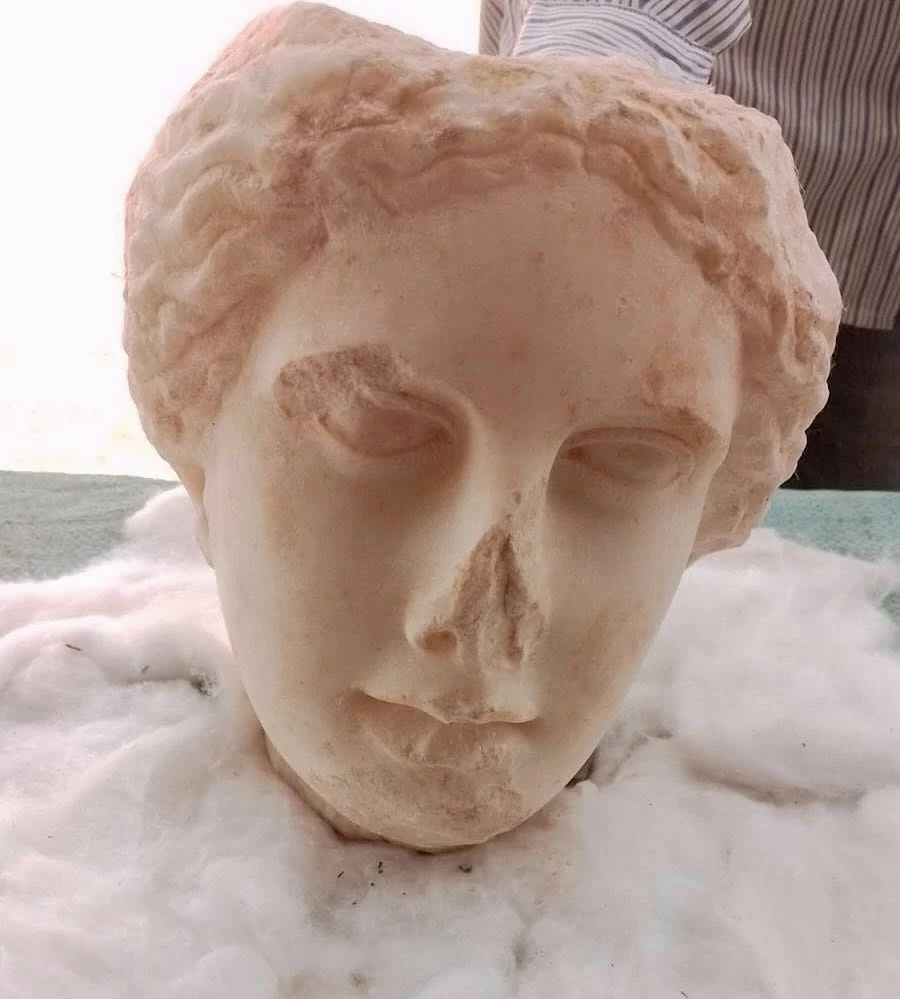
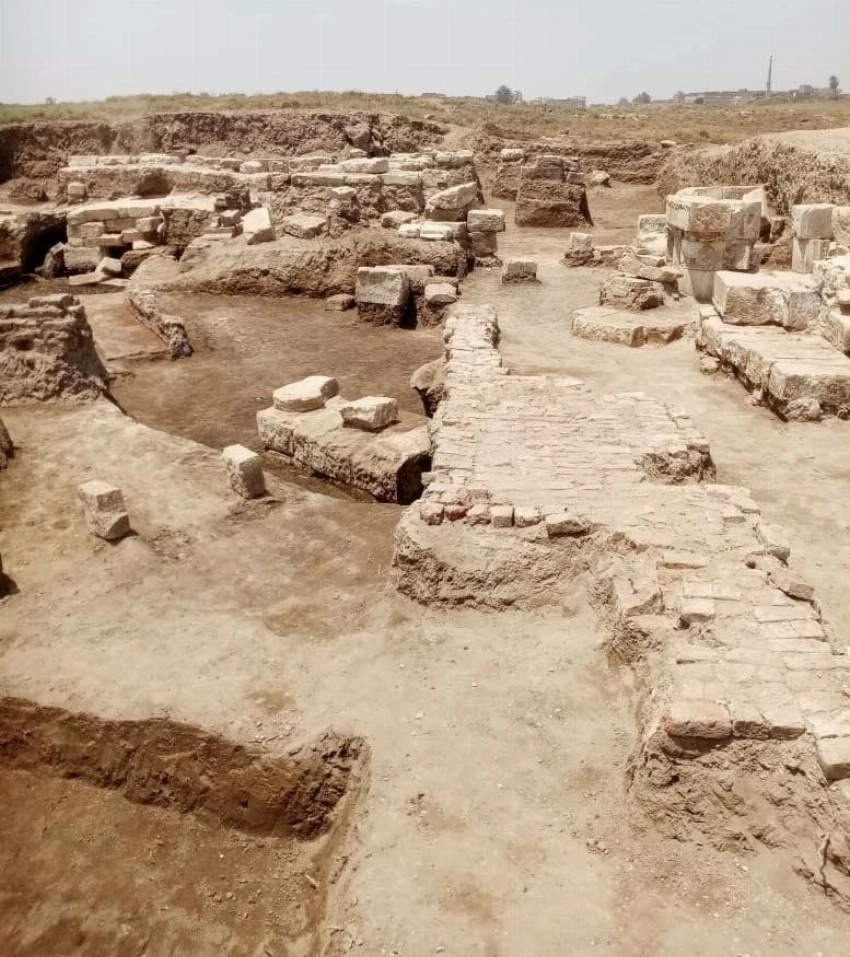
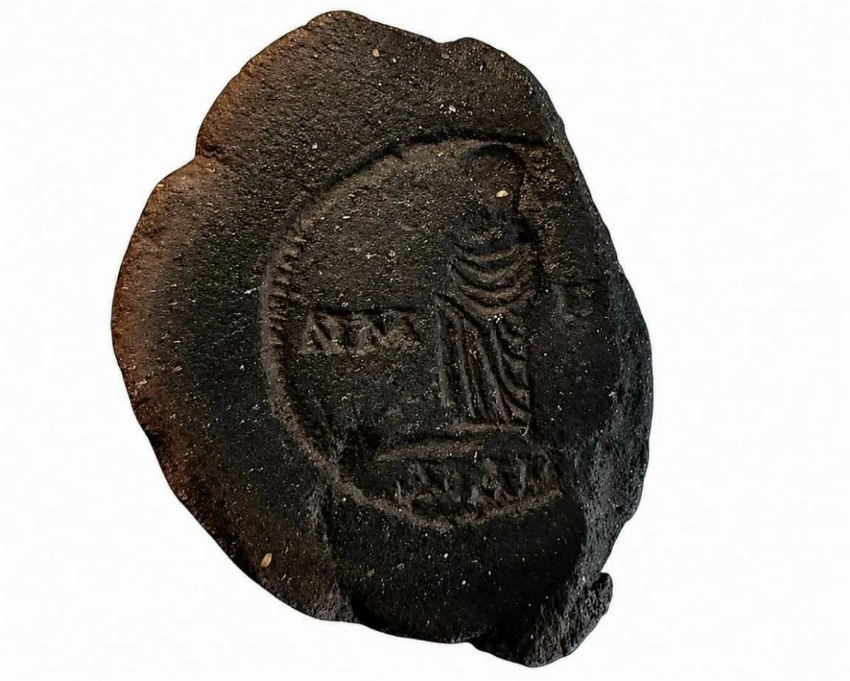
كما كشفت البعثة عن امتدادات لبازيليكا رومانية، وبقايا معبد دوري قديم، فضلًا عن العثور على رأس تمثال نادر من الرخام للمعبودة أفروديت، إلهة الحب والجمال لدى الإغريق، بالإضافة إلى أجزاء من تماثيل جدارية وقوالب فخارية كانت تستخدم في سك العملات خلال العصر الروماني.
وأكد وزير السياحة والآثار المصري شريف فتحي، أن هذه الاكتشافات تمثل إضافة علمية وأثرية مهمة تسهم في إبراز القيمة التاريخية الكبيرة لمنطقة إهناسيا المدينة، وتعكس حجم التنوع الحضاري والثقافي الذي شهدته مصر على مدار عصورها المختلفة.
وأشار الوزير إلى أن الوزارة تولي اهتمامًا كبيرًا بجميع المواقع الأثرية على مستوى الجمهورية، ضمن خطتها الرامية إلى رفع كفاءتها وتطويرها وافتتاح مواقع جديدة أمام الحركة السياحية، بما يسهم في تنويع المقاصد السياحية وتعزيز منتج السياحة الثقافية المصرية.
من جانبه، أوضح الأمين العام للمجلس الأعلى للآثار هشام الليثي، أن الكشف عن خرطوش يحمل اسم الملك سنوسرت الثالث يُعد من الاكتشافات المهمة، خصوصا أن هذا الملك ارتبط بعدد من المنشآت الأثرية البارزة في إهناسيا المدينة، وهو ما يؤكد مكانتها المقدسة لدى المصري القديم واهتمام ملوك الدولة الوسطى بها.
وأضاف أن الكشف عن امتدادات البازيليكا الرومانية يقدم رؤية أوضح للتطور المعماري والوظيفي لهذا الطراز المعماري، موضحًا أن البازيليكا استُخدمت خلال العصر اليوناني كمبنى عام للاجتماعات والأنشطة الإدارية والتجارية، قبل أن تتحول في العصر المسيحي المبكر إلى كنيسة لممارسة الشعائر الدينية والاجتماعات الكنسية.
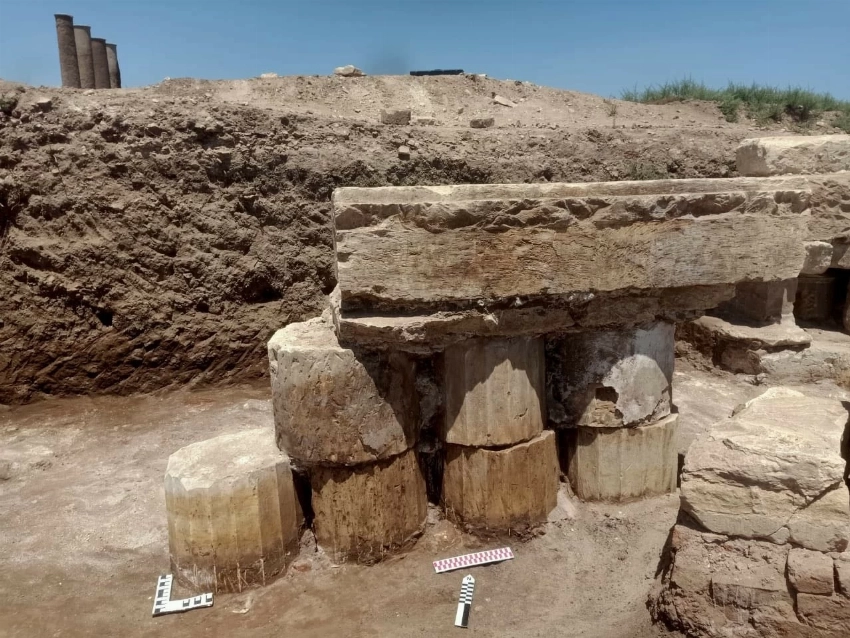
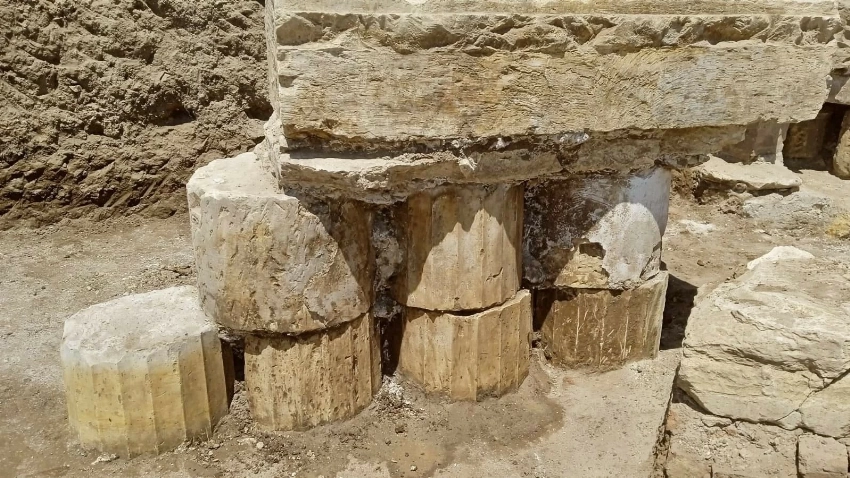
وفي السياق ذاته، أوضح رئيس قطاع الآثار المصرية القديمة بالمجلس الأعلى للآثار محمد عبد البديع، أن الدراسة الأولية لبقايا المعبد الدوري القديم أظهرت أن عناصره المعمارية أُعيد استخدامها خلال القرن السادس الميلادي كأساسات وأرضيات حاملة لأعمدة البازيليكا، حيث عمد منشئو البازيليكا إلى إعادة رص الأحجار والكتل الحجرية بصورة غير منتظمة لتشكيل قاعدة قوية قادرة على تحمل الأوزان الضخمة للأعمدة، والتي يُقدر وزن بعضها بنحو 45 طنًا، فيما لا تزال ثلاثة أعمدة قائمة في مواضعها الأصلية حتى الآن.
وفيما يتعلق برأس تمثال أفروديت المكتشف، أشار إلى أنه يُعد من القطع الفنية النادرة، إذ صُنع من الرخام ويبلغ قياسه نحو 24 × 25 سنتيمترًا، ويتميز بدقة التنفيذ وروعة التفاصيل الفنية التي تظهر ملامح الوجه والشعر المجعد بأسلوب يعكس السمات الفنية الكلاسيكية الشائعة في تماثيل المعبودات والشخصيات البارزة خلال تلك الحقبة.
بدوره، أكد رئيس الإدارة المركزية لآثار مصر الوسطى الدكتور سامي درديري، أن بقايا التماثيل الجدارية المكتشفة إلى جانب قوالب سك العملات الفخارية تعكس المكانة التي تمتعت بها المدينة خلال العصر الروماني واستمرار ازدهارها الحضاري والاقتصادي، مشيرًا إلى أن البعثة تواصل حاليًا أعمال الدراسة والتأريخ العلمي لهذه المكتشفات.
وتُعد إهناسيا المدينة واحدة من أهم المواقع الأثرية في مصر، إذ كانت عاصمة البلاد خلال عصري الأسرتين التاسعة والعاشرة، كما مثلت عاصمة الإقليم العشرين من أقاليم مصر العليا، وحافظت على أهميتها خلال عصور الدولة الوسطى والدولة الحديثة والعصر الانتقالي الثالث، فضلًا عن ازدهارها خلال العصرين اليوناني والروماني عندما عُرفت باسم «هيراكليوبوليس ماجنا» أو «مدينة هرقل العظمى».
وتأتي هذه الاكتشافات في إطار الجهود المتواصلة التي يبذلها المجلس الأعلى للآثار للكشف عن مزيد من أسرار الحضارة المصرية القديمة، ودعم الدراسات الأثرية والتاريخية بالمواقع المختلفة، بما يسهم في الحفاظ على التراث الثقافي المصري والتعريف به والترويج له عالميًا.
In a new archaeological discovery that adds an important page to the record of ancient Egyptian civilization, the Egyptian archaeological mission affiliated with the Supreme Council of Antiquities in the area of Ihnasia City in Beni Suef Governorate has succeeded in uncovering a collection of significant archaeological finds that shed light on the religious and cultural status that the city enjoyed throughout ancient Egyptian, Greek, and Roman eras.
The excavation work resulted in the discovery of a stone block that was reused in later periods, bearing a prominent inscription of the name of King Senusret III, including his throne name and birth name, along with another cartouche bearing the name of the deity "Osir Na Ref," one of the most revered deities in Ihnasia during ancient Egyptian times and the Ptolemaic period.
The mission also revealed extensions of a Roman basilica, remnants of an ancient round temple, as well as the discovery of a rare marble head of a statue of the goddess Aphrodite, the goddess of love and beauty among the Greeks, in addition to parts of wall statues and pottery molds that were used for minting coins during the Roman era.
The Egyptian Minister of Tourism and Antiquities, Sherif Fathy, confirmed that these discoveries represent an important scientific and archaeological addition that contributes to highlighting the significant historical value of the Ihnasia City area, reflecting the extent of the cultural and civilizational diversity that Egypt witnessed throughout its various eras.
The minister pointed out that the ministry pays great attention to all archaeological sites across the republic, as part of its plan aimed at enhancing their efficiency, developing them, and opening new sites to tourism, which contributes to diversifying tourist destinations and promoting the Egyptian cultural tourism product.
For his part, the Secretary-General of the Supreme Council of Antiquities, Hisham El-Liethy, explained that the discovery of the cartouche bearing the name of King Senusret III is considered one of the important discoveries, especially since this king was associated with several prominent archaeological sites in Ihnasia City, which confirms its sacred status among ancient Egyptians and the interest of Middle Kingdom kings in it.
He added that the discovery of the extensions of the Roman basilica provides a clearer vision of the architectural and functional development of this architectural style, explaining that the basilica was used during the Greek era as a public building for meetings and administrative and commercial activities, before it transformed in the early Christian era into a church for practicing religious rituals and church gatherings.
In the same context, the head of the Ancient Egyptian Antiquities Sector at the Supreme Council of Antiquities, Mohamed Abdel-Badi, stated that the preliminary study of the remains of the ancient round temple showed that its architectural elements were reused during the sixth century AD as foundations and floors supporting the columns of the basilica, as the builders of the basilica aimed to rearrange the stones and stone blocks irregularly to form a strong base capable of bearing the massive weights of the columns, some of which are estimated to weigh around 45 tons, while three columns still stand in their original positions to this day.
Regarding the discovered head of the statue of Aphrodite, he noted that it is considered one of the rare artistic pieces, as it is made of marble and measures about 24 × 25 centimeters, distinguished by its precision in execution and the magnificence of artistic details that showcase the features of the face and curly hair in a style that reflects the classical artistic traits common in statues of deities and prominent figures during that era.
For his part, the head of the Central Administration of Middle Egyptian Antiquities, Dr. Sami Dardiri, confirmed that the remains of the discovered wall statues alongside the pottery molds for coin minting reflect the status that the city enjoyed during the Roman era and the continuity of its cultural and economic prosperity, pointing out that the mission is currently continuing its work on the scientific study and dating of these discoveries.
Ihnasia City is considered one of the most important archaeological sites in Egypt, as it was the capital of the country during the 9th and 10th dynasties, and it represented the capital of the twentieth province of Upper Egypt, maintaining its significance throughout the Middle Kingdom, the New Kingdom, and the Third Intermediate Period, in addition to its prosperity during the Greek and Roman eras when it was known as "Heracleopolis Magna" or "the Great City of Hercules."
These discoveries come as part of the ongoing efforts made by the Supreme Council of Antiquities to uncover more secrets of ancient Egyptian civilization and support archaeological and historical studies at various sites, contributing to the preservation of Egyptian cultural heritage and promoting it globally.