أكد وزير الخارجية الفرنسي جون نويل بارو، اليوم (الأحد)، أن فتح مضيق هرمز يمثل أولوية قصوى، مشدداً على أن بلاده لا تنوي مواصلة دفع ثمن حرب ليست طرفاً فيها.
وقال بارو: «يقع مضيق هرمز ضمن المياه الدولية، ويجب ضمان حرية الملاحة فيه ومرور السفن دون رسوم أو ابتزاز»، مؤكداً ضرورة أن تبذل إيران والولايات المتحدة كل ما في وسعهما للتوصل إلى اتفاق ينهي الحرب.
وفي غضون ذلك، أكدت وكالة «تسنيم» الإيرانية، اليوم، أن تبادل الرسائل بين إيران والولايات المتحدة بشأن نص مسودة التفاهم المحتمل لا يزال مستمراً.
وقال رئيس البرلمان الإيراني محمد باقر قاليباف: «أمريكا تسعى لممارسة ضغوط اقتصادية وحرب إعلامية لإثارة الخلافات وزعزعة التماسك الوطني»، مضيفاً: «لن نوافق على أي اتفاق إذا لم يضمن حقوقنا».
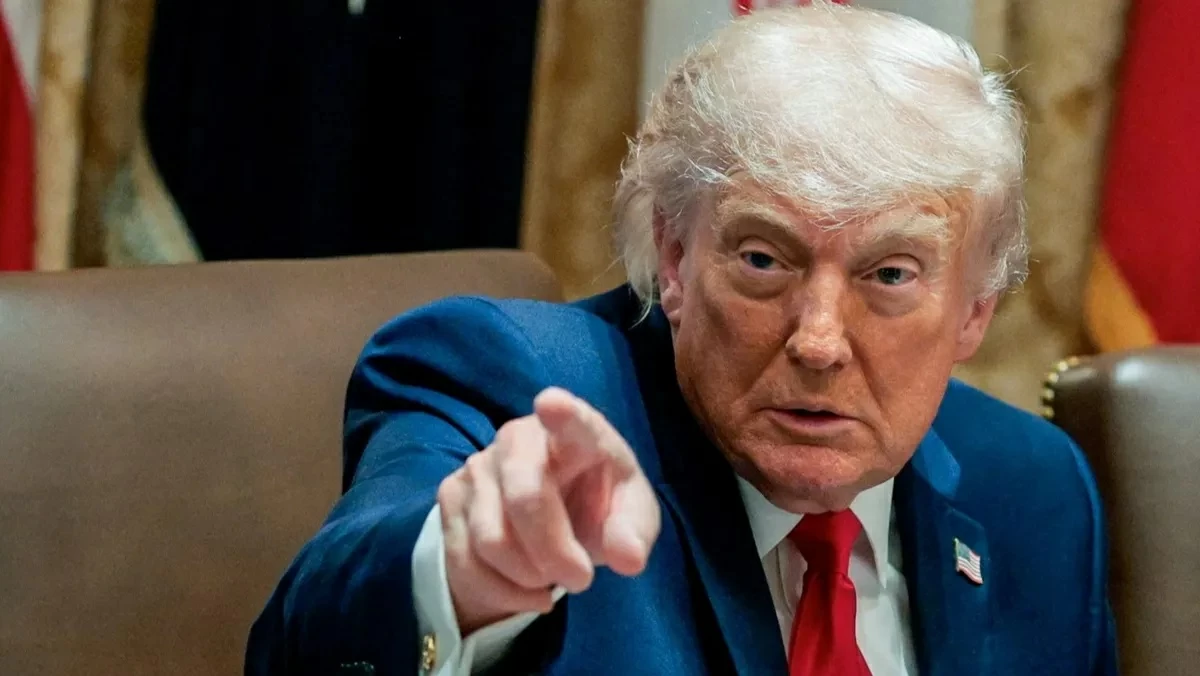
جاء ذلك في الوقت الذي عرض فيه الرئيس الأمريكي دونالد ترمب على مبعوثيه تعديلات جديدة على مسودة الاتفاق المرتقب، ما أفسح المجال أمام جولات إضافية من التفاوض قد تستمر عدة أيام.
وأفاد موقع «أكسيوس» بأن ترمب لا يزال يرغب في إبرام الاتفاق ويتوقع التوصل إليه قريباً، لكنه يسعى إلى تشديد بعض البنود المرتبطة بالبرنامج النووي الإيراني قبل منح موافقته النهائية.
وأوضح الموقع أن التعديلات المطلوبة تركز بشكل أساسي على آلية التعامل مع مخزون إيران من اليورانيوم المخصب، بما في ذلك تفاصيل نقل المواد النووية وتوقيت تنفيذ الإجراءات المرتبطة بها.
ويرى مراقبون أن تريث ترمب لا يبدو عشوائياً، خصوصاً أن الرجل اعتاد إبرام صفقات سريعة وحاسمة، معتبرين أن هذا التريث يؤكد رهانه على عامل الوقت والضغوط الاقتصادية المفروضة على إيران، في ظل الحصار البحري.
وكان ترمب قد عقد اجتماعاً في غرفة العمليات بالبيت الأبيض (الجمعة) لمناقشة الاتفاق، واستمر الاجتماع ساعات عدة، قبل أن يؤكد مسؤول أمريكي أن الرئيس لن يبرم سوى اتفاق يحقق المصالح الأمريكية ويضمن عدم امتلاك إيران سلاحاً نووياً.
وتنص المسودة الحالية على تعهد إيراني بعدم السعي إلى امتلاك سلاح نووي، إلى جانب فترة تمتد 60 يوماً للتفاوض بشأن تفاصيل البرنامج النووي الإيراني وخطوات تخفيف العقوبات الأمريكية.
French Foreign Minister Jean-Noël Barrot confirmed today (Sunday) that opening the Strait of Hormuz is a top priority, emphasizing that his country does not intend to continue paying the price for a war in which it is not a party.
Barrot stated, "The Strait of Hormuz is within international waters, and freedom of navigation and the passage of ships must be guaranteed without fees or extortion," stressing the necessity for Iran and the United States to do everything in their power to reach an agreement that ends the war.
Meanwhile, the Iranian news agency "Tasnim" confirmed today that the exchange of messages between Iran and the United States regarding the draft of a potential understanding is still ongoing.
Iranian Parliament Speaker Mohammad Baqer Qalibaf said, "America seeks to exert economic pressure and conduct a media war to stir up disputes and undermine national cohesion," adding, "We will not agree to any deal if it does not guarantee our rights."
This comes at a time when U.S. President Donald Trump offered his envoys new amendments to the anticipated agreement draft, paving the way for additional rounds of negotiations that may last several days.
The website "Axios" reported that Trump still wishes to finalize the agreement and expects to reach it soon, but he is seeking to tighten some clauses related to the Iranian nuclear program before giving his final approval.
The site clarified that the required amendments primarily focus on the mechanism for dealing with Iran's stockpile of enriched uranium, including details on the transfer of nuclear materials and the timing of the associated procedures.
Observers believe that Trump's hesitation does not seem random, especially since he is accustomed to making swift and decisive deals, considering that this delay confirms his bet on the factor of time and the economic pressures imposed on Iran amid the maritime blockade.
Trump held a meeting in the White House Situation Room (on Friday) to discuss the agreement, which lasted several hours, before an American official confirmed that the president would only finalize a deal that serves American interests and ensures that Iran does not possess nuclear weapons.
The current draft stipulates an Iranian commitment not to seek to possess nuclear weapons, along with a 60-day period for negotiating the details of the Iranian nuclear program and steps to ease U.S. sanctions.