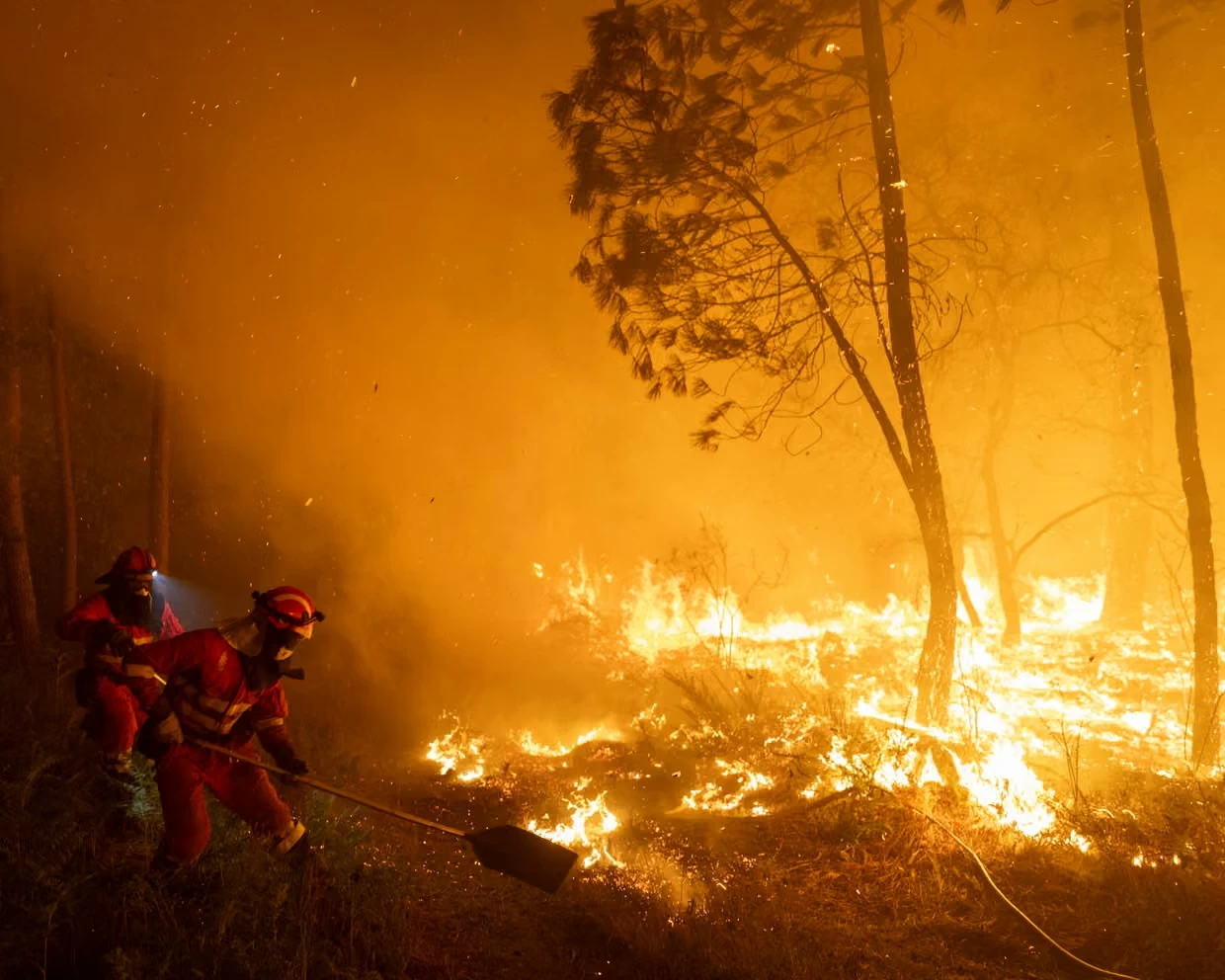
دعا خبراء دوليون بارزون منظمة الصحة العالمية إلى إعلان أزمة المناخ «حالة طوارئ صحية عامة تثير قلقاً دولياً»، محذرين من أن التأخر في اتخاذ هذا القرار قد يؤدي إلى وفاة ملايين الأشخاص بشكل يمكن تجنبه.
تهديد مباشر للصحة العامة
وأكدت اللجنة الأوروبية المستقلة المعنية بالمناخ والصحة، التي تم تشكيلها بدعم من منظمة الصحة العالمية، أن التغير المناخي أصبح تهديداً مباشراً وشاملاً للصحة العامة على مستوى العالم، بما يستوجب رفع أعلى درجات التأهب الصحي الدولي.
وأوضح التقرير أن الانتشار المتزايد للأمراض المنقولة عبر الحشرات مثل حمى الضنك والشيكونغونيا، إلى جانب التأثيرات الصحية للكوارث المناخية المتطرفة، وارتفاع درجات الحرارة، وانعدام الأمن الغذائي، وتلوث الهواء، كلها عوامل تجعل إعلان حالة الطوارئ أمراً ضرورياً.
أعلى إنذار صحي عالمي
ويُعد هذا التصنيف أعلى مستوى من الإنذار الصحي العالمي، وقد سبق استخدامه في أزمات مثل جائحة كورونا ومرض إمبوكس، إذ يتيح تعبئة استجابة دولية منسقة تتناسب مع حجم الخطر.
وقالت اللجنة، المكونة من 11 خبيراً بينهم وزراء صحة ومناخ سابقون، إن أزمة المناخ لم تعد مجرد قضية بيئية، بل أصبحت تهديداً فورياً وطويل الأمد للصحة والأمن الاقتصادي والغذائي والمائي والاجتماعي.
من جهتها، أكدت رئيسة اللجنة رئيسة وزراء آيسلندا السابقة كاترين ياكوبسدوتير، أن أزمة المناخ تمثل حالة طوارئ صحية تهدد بقاء البشرية، مشيرة إلى أن عدم التحرك السريع والشامل سيؤدي إلى مزيد من الوفيات والأمراض المزمنة على نطاق واسع.
وأضافت أن التغير المناخي يملأ المستشفيات بالفعل، ويقصر أعمار الناس، ويؤثر بشدة على الصحة النفسية من خلال زيادة معدلات القلق والتوتر.
600 ألف وفاة مبكرة سنوياً
كما شدّد المستشار العلمي الرئيسي للجنة السير أندرو هاينز على أن استمرار الانبعاثات الحالية سيؤدي إلى تفاقم المخاطر الصحية، بما يشمل الوفيات الناتجة عن موجات الحر والفيضانات والأمراض المعدية وتلوث الهواء وارتفاع معدلات الولادة المبكرة ونقص الغذاء.
ودعا التقرير الحكومات الأوروبية إلى وقف دعم الوقود الأحفوري فوراً، مشيراً إلى أن هذا القطاع مسؤول بشكل مباشر عن نحو 600 ألف حالة وفاة مبكرة سنوياً في أوروبا وحدها.
وكشف التقرير أن أوروبا تنفق سنوياً نحو 444 مليار يورو لدعم إنتاج النفط والغاز، بينما تجاوزت إعانات الوقود الأحفوري في بعض الدول 10% من إجمالي الإنفاق الصحي الوطني، بل فاقت ميزانيات الصحة بالكامل في 4 دول أوروبية.
فشل صحي عام
واعتبرت اللجنة أن هذه السياسات تمثل «فشلاً صحياً عاماً»، محذرة من أن أي توسع جديد في دعم الوقود الأحفوري أو العودة إلى مشاريع الحفر سيؤدي إلى آثار صحية كارثية.
كما أوصى التقرير بمكافحة حملات التضليل المناخي، وتوسيع تقييمات التأثير الصحي للتغير المناخي، والاعتراف بأن الأزمة المناخية تمثل أيضاً أزمة صحة نفسية عالمية.
وأكد الخبراء أن أنظمة الرعاية الصحية حول العالم يجب أن تصبح أكثر قدرة على التكيف مع الظروف المناخية المتغيرة، خصوصاً مع تعرض العديد من المستشفيات لمخاطر الفيضانات أو عدم جاهزيتها لموجات الحر الشديدة.
وأشار التقرير إلى أن القطاع الصحي نفسه مسؤول عن نحو 5% من الانبعاثات الكربونية عالمياً، مما يستدعي تسريع جهود التحول البيئي داخله.
تعليق الصحة العالمية
وفي تعليق رسمي، أكد المدير الإقليمي لمنظمة الصحة العالمية في أوروبا الدكتور هانز كلوج، أن التحرك المناخي أصبح ضرورة أمنية وصحية واقتصادية وأخلاقية في آنٍ واحد، مشدداً على أن القرارات الحكومية الحالية ستحدد حجم العبء المرضي الذي ستتحمله الأجيال القادمة.
بدوره، وصف مدير معهد بوتسدام لأبحاث تأثير المناخ، يوهان روكستروم، التقرير بأنه دليل علمي واضح على ضرورة الاعتراف بالتغير المناخي كأزمة صحية عالمية عاجلة، في ظل تجاوز الكوكب لحدود بيئية خطيرة عدة تهدد حياة الملايين حول العالم.
Prominent international experts have called on the World Health Organization to declare the climate crisis a "public health emergency of international concern," warning that delaying this decision could lead to the avoidable deaths of millions of people.
A Direct Threat to Public Health
The independent European Commission on Climate and Health, established with the support of the World Health Organization, confirmed that climate change has become a direct and comprehensive threat to public health worldwide, necessitating the highest levels of international health preparedness.
The report clarified that the increasing spread of insect-borne diseases such as dengue fever and chikungunya, along with the health impacts of extreme climate disasters, rising temperatures, food insecurity, and air pollution, are all factors that make declaring a state of emergency essential.
The Highest Global Health Alert
This classification is the highest level of global health alert and has previously been used in crises such as the COVID-19 pandemic and the Mpox disease, allowing for a coordinated international response commensurate with the scale of the threat.
The committee, composed of 11 experts including former health and climate ministers, stated that the climate crisis is no longer just an environmental issue but has become an immediate and long-term threat to health, economic, food, water, and social security.
For her part, the committee chair and former Prime Minister of Iceland, Katrín Jakobsdóttir, emphasized that the climate crisis represents a health emergency threatening the survival of humanity, noting that failure to act swiftly and comprehensively will lead to more deaths and widespread chronic illnesses.
She added that climate change is already filling hospitals, shortening people's lifespans, and severely affecting mental health by increasing rates of anxiety and stress.
600,000 Early Deaths Annually
The committee's chief scientific advisor, Sir Andrew Haines, stressed that the continuation of current emissions will exacerbate health risks, including deaths from heatwaves, floods, infectious diseases, air pollution, increased rates of premature births, and food shortages.
The report urged European governments to immediately halt support for fossil fuels, indicating that this sector is directly responsible for approximately 600,000 early deaths annually in Europe alone.
The report revealed that Europe spends about 444 billion euros annually to support oil and gas production, while fossil fuel subsidies in some countries exceed 10% of total national health spending, even surpassing entire health budgets in four European countries.
Public Health Failure
The committee considered these policies to represent a "public health failure," warning that any new expansion of fossil fuel support or a return to drilling projects will lead to catastrophic health effects.
The report also recommended combating climate misinformation, expanding health impact assessments of climate change, and recognizing that the climate crisis also represents a global mental health crisis.
Experts confirmed that healthcare systems around the world must become more adaptable to changing climatic conditions, especially as many hospitals are exposed to flood risks or are unprepared for extreme heatwaves.
The report noted that the health sector itself is responsible for about 5% of global carbon emissions, necessitating accelerated efforts for environmental transformation within it.
World Health Organization Comment
In an official comment, the WHO Regional Director for Europe, Dr. Hans Kluge, stated that climate action has become a security, health, economic, and moral necessity simultaneously, emphasizing that current government decisions will determine the disease burden that future generations will bear.
For his part, the Director of the Potsdam Institute for Climate Impact Research, Johan Rockström, described the report as clear scientific evidence of the urgent need to recognize climate change as a global health crisis, as the planet surpasses several dangerous environmental thresholds that threaten the lives of millions worldwide.