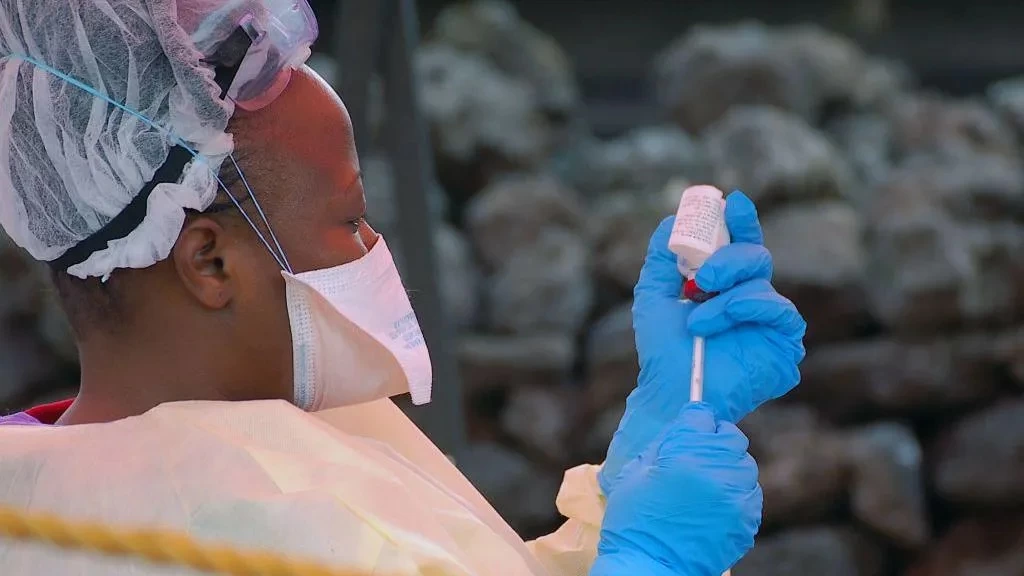
أعلن المركز الأفريقي لمكافحة الأمراض والوقاية منها تفشياً جديداً لفايروس الإيبولا في إقليم إيتوري شرقي جمهورية الكونغو الديمقراطية، في تطور صحي خطير يثير مخاوف متزايدة من انتشار المرض إقليمياً بعد تسجيل أول حالة وافدة في أوغندا المجاورة.
ارتفاع وفيات إيبولا في الكونغو
وبحسب السلطات الصحية الأفريقية، تم تسجيل نحو 246 إصابة و80 حالة وفاة حتى الآن، تركزت معظمها في بلدتي مونغوالو ورامبارا، وهما منطقتان تنشطان في مجال تعدين الذهب، ما يزيد من احتمالات انتقال العدوى بفعل حركة السكان المستمرة.
إيبولا يصل أوغندا
وأكدت وزارة الصحة الأوغندية تسجيل أول حالة إيبولا مستوردة من الكونغو الديمقراطية، بعد وفاة رجل كونغولي يبلغ من العمر 59 عاماً في العاصمة كمبالا، إثر ثبوت إصابته بالفايروس عقب دخوله المستشفى مطلع الأسبوع.
ويُعد هذا التفشي هو الـ17 للإيبولا في جمهورية الكونغو الديمقراطية منذ اكتشاف الفايروس لأول مرة عام 1976، إذ يُعتقد أنه انتقل في الأصل من الخفافيش إلى البشر.
خطورة فايروس الإيبولا
ويُعرف فايروس الإيبولا بخطورته العالية، إذ ينتقل عبر الاتصال المباشر بسوائل الجسم أو من خلال الجلد المتضرر، ويتسبب في حمى شديدة ونزيف داخلي وفشل بالأعضاء، مع معدل وفيات يبلغ في المتوسط نحو 50% وفقاً لمنظمة الصحة العالمية.
وأظهرت الفحوصات الأولية التي أجراها المعهد الوطني للبحوث الطبية الحيوية في كينشاسا اكتشاف الفايروس في 13 عينة من أصل 20 عينة تم تحليلها، فيما تتواصل الاختبارات لتحديد السلالة الدقيقة للفايروس.
ورغم أن 4 فقط من الوفيات الـ80 تأكدت مخبرياً حتى الآن، إلا أن السلطات الصحية تخشى من ارتفاع الأرقام بشكل كبير مع استمرار تسجيل حالات مشتبه بها، خصوصاً في مدينة بونيا، عاصمة الإقليم.
تحذيرات أفريقية
وحذّر المركز الأفريقي لمكافحة الأمراض من أن الطبيعة الحضرية للمناطق المتضررة، إلى جانب نشاط التعدين والتنقل السكاني المكثف بين الكونغو والدول المجاورة مثل أوغندا وجنوب السودان، يزيد من خطر انتشار الفايروس عبر الحدود.
وأكد المدير التنفيذي للمركز الدكتور جان كاسيا، أن التنسيق الإقليمي أصبح ضرورة ملحة لمنع تحول التفشي إلى أزمة صحية أوسع نطاقاً.
مشاورات لمراقبة الحدود
وفي هذا السياق، بدأت مشاورات عاجلة بين الكونغو الديمقراطية وأوغندا وجنوب السودان وشركاء دوليين لتعزيز إجراءات الاستجابة الصحية ومراقبة الحدود.
ويأتي هذا التفشي في وقت تعاني فيه إيتوري من أوضاع أمنية معقدة، إذ تخضع المنطقة لحكم عسكري منذ عام 2021؛ بسبب نشاط جماعات مسلحة متعددة، من بينها قوات التحالف الديمقراطية المرتبطة بتنظيم داعش.
وكانت الكونغو الديمقراطية قد شهدت أخطر موجات الإيبولا بين عامي 2018 و2020، عندما أودى المرض بحياة نحو 2,300 شخص، بينما سجلت البلاد العام الماضي 45 وفاة أخرى إثر تفشٍّ في إقليم كاساي.
وعلى مدار الـ50 عاماً الماضية، تسبب فايروس الإيبولا في وفاة نحو 15 ألف شخص في مختلف أنحاء أفريقيا، ما يجعله أحد أخطر الأمراض الفايروسية في القارة.
The African Centre for Disease Control and Prevention has announced a new outbreak of the Ebola virus in the Ituri region of eastern Democratic Republic of the Congo, in a serious health development that raises increasing concerns about the regional spread of the disease following the registration of the first imported case in neighboring Uganda.
Increase in Ebola Deaths in Congo
According to African health authorities, about 246 cases and 80 deaths have been recorded so far, most of which are concentrated in the towns of Mongwalu and Rambaara, both of which are active in gold mining, increasing the likelihood of transmission due to ongoing population movement.
Ebola Reaches Uganda
The Ugandan Ministry of Health confirmed the registration of the first imported Ebola case from the Democratic Republic of the Congo, following the death of a 59-year-old Congolese man in the capital Kampala, after he tested positive for the virus upon entering the hospital earlier this week.
This outbreak is the 17th of Ebola in the Democratic Republic of the Congo since the virus was first discovered in 1976, and it is believed to have originally transferred from bats to humans.
The Danger of the Ebola Virus
The Ebola virus is known for its high lethality, as it spreads through direct contact with bodily fluids or through damaged skin, causing severe fever, internal bleeding, and organ failure, with an average mortality rate of about 50% according to the World Health Organization.
Initial tests conducted by the National Institute for Biomedical Research in Kinshasa found the virus in 13 out of 20 samples analyzed, while further testing continues to determine the exact strain of the virus.
Although only 4 of the 80 deaths have been confirmed in the lab so far, health authorities fear that the numbers could rise significantly as suspected cases continue to be reported, especially in the city of Bunia, the capital of the region.
African Warnings
The African Centre for Disease Control warned that the urban nature of the affected areas, along with mining activities and intense population movement between Congo and neighboring countries such as Uganda and South Sudan, increases the risk of the virus spreading across borders.
The Centre's Executive Director, Dr. Jean Kaseya, emphasized that regional coordination has become an urgent necessity to prevent the outbreak from turning into a wider health crisis.
Consultations for Border Monitoring
In this context, urgent consultations have begun between the Democratic Republic of the Congo, Uganda, South Sudan, and international partners to enhance health response measures and border monitoring.
This outbreak comes at a time when Ituri is suffering from complex security conditions, as the region has been under military rule since 2021 due to the activities of multiple armed groups, including the Allied Democratic Forces linked to ISIS.
The Democratic Republic of the Congo experienced the deadliest waves of Ebola between 2018 and 2020, when the disease claimed the lives of about 2,300 people, while the country recorded another 45 deaths last year due to an outbreak in the Kasai region.
Over the past 50 years, the Ebola virus has caused the deaths of about 15,000 people across Africa, making it one of the deadliest viral diseases on the continent.