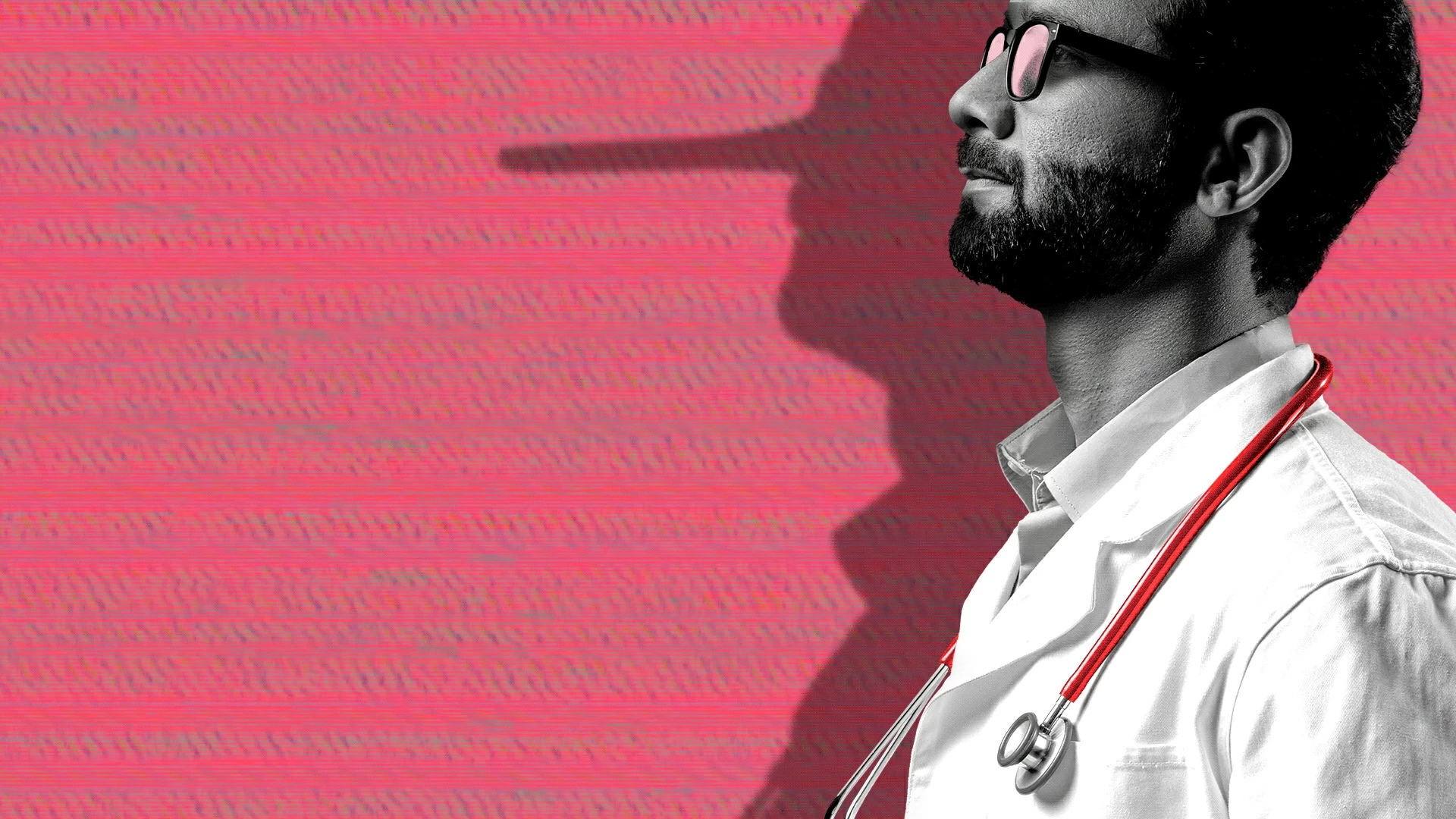
في تحولٍ تقنيٍ مرعب، لم يعد الذكاء الاصطناعي يكتفي بصناعة صورٍ غريبة أو مقاطع فيديو ترفيهية؛ بل اقتحم «غرفة الكشف الطبي» ليصنع أطباءً مزيفين يتمتعون بملامح، وأصوات، وسلوكيات تكاد تكون مطابقة للواقع. هذه الظاهرة التي بدأت تهز ثقة الجمهور في المجال الطبي، دفعت كبرى الهيئات الصحية في أمريكا إلى إعلان حالة «الاستنفار القصوى».
انتحال الهوية.. كيف يخدع المرضى؟
كشف تقرير لمنصة Axios أن تقنيات «التزييف العميق» (Deepfake) تُستخدم الآن لانتحال شخصيات أطباء حقيقيين للترويج لمنتجات صحية مشكوك فيها، أو تقديم نصائح طبية مضللة قد تودي بحياة المرضى. حتى الأسماء البارزة لم تسلم من هذا «السطو الرقمي»، حيث صُدم الطبيب والإعلامي الشهير سانجاي غوبتا (Sanjay Gupta) باستخدام صورته في إعلانات مضللة لعلاجات الزهايمر، لدرجة أن المقربين منه ظنوا أنها حقيقية!
ودقّت الجمعية الطبية الأمريكية (AMA) ناقوس الخطر، واصفةً ما يحدث بأنه «أزمة صحة عامة». فالأطباء الحقيقيون يجدون اليوم هويتهم الرقمية مستخدمة في حملات ترويجية احتيالية دون علمهم، مما يعرضهم لمساءلة قانونية أو تشويه لسمعتهم إذا تضرر المرضى من محتوى مزيف نُسب إليهم.
ولا تتوقف الأزمة عند حدود الاحتيال المالي، بل تمتد إلى ما هو أخطر:
- خداع المتخصصين: أثبتت دراسات أن صوراً إشعاعية مزيفة بتقنيات التزييف العميق قد تخدع أطباءً متخصصين، مما قد يؤدي إلى تشخيصات خاطئة كارثية.
- فوضى السجلات الطبية: يحذر خبراء من أن التقنية قد تُستخدم لاختراق أنظمة المستشفيات وحقن «بيانات مزيفة» داخل السجلات الطبية، مما قد يخلق فوضى تشخيصية داخل المؤسسات الصحية.
- التشريعات في سباق مع الزمن: بدأت ولايات أمريكية مثل كاليفورنيا وبنسلفانيا في سن قوانين صارمة تلزم بالكشف عن أي محتوى مُنتج بالذكاء الاصطناعي، وتناقش حظر انتحال شخصيات الأطباء تماماً.
واليوم، يتآكل عمود الثقة في مهنة الطب وهو «المصداقية» بسبب التزييف الرقمي. فبينما يصارع الأطباء لإنقاذ الأرواح، عليهم الآن خوض معركة جانبية ضد «نسخ رقمية» منهم تتحدث، وتنصح، بل وتروج لأدوية بأسماء أطباء لا يعلمون شيئاً عما يُنشر باسمهم.
ويمكن القول إنه في زمن الذكاء الاصطناعي، لم تعد النصيحة الطبية عبر الإنترنت «محل ثقة» تلقائية. وبات على المرضى أن يكونوا أكثر حذراً، فمن يظهر بملابس الطبيب خلف الشاشة قد لا يكون إنساناً من الأساس.
In a terrifying technological shift, artificial intelligence is no longer content with creating strange images or entertaining videos; it has invaded the "medical examination room" to create fake doctors with features, voices, and behaviors that are almost indistinguishable from reality. This phenomenon, which is beginning to shake public trust in the medical field, has prompted major health organizations in America to declare a state of "maximum alert."
Identity Theft... How Does It Deceive Patients?
A report from Axios revealed that "deepfake" technologies are now being used to impersonate real doctors to promote questionable health products or provide misleading medical advice that could endanger patients' lives. Even prominent names have not been spared from this "digital heist," as the famous doctor and journalist Sanjay Gupta was shocked to find his image used in misleading advertisements for Alzheimer's treatments, to the extent that those close to him believed it was real!
The American Medical Association (AMA) has sounded the alarm, describing what is happening as a "public health crisis." Real doctors today find their digital identities being used in fraudulent promotional campaigns without their knowledge, exposing them to legal accountability or reputational damage if patients are harmed by fake content attributed to them.
The crisis does not stop at financial fraud; it extends to even more dangerous issues:
- Deceiving specialists: Studies have shown that fake radiological images created using deepfake technology can deceive specialized doctors, potentially leading to catastrophic misdiagnoses.
- Chaos in medical records: Experts warn that the technology could be used to hack hospital systems and inject "fake data" into medical records, creating diagnostic chaos within healthcare institutions.
- Legislation racing against time: States like California and Pennsylvania have begun enacting strict laws requiring the disclosure of any AI-generated content and are discussing a complete ban on impersonating doctors.
Today, the pillar of trust in the medical profession—"credibility"—is eroding due to digital forgery. While doctors struggle to save lives, they now have to fight a side battle against "digital copies" of themselves that speak, advise, and even promote medications under the names of doctors who know nothing about what is being published in their name.
It can be said that in the age of artificial intelligence, online medical advice is no longer an automatic "trustworthy" source. Patients must now be more cautious, as those appearing in a doctor's attire behind the screen may not even be human at all.