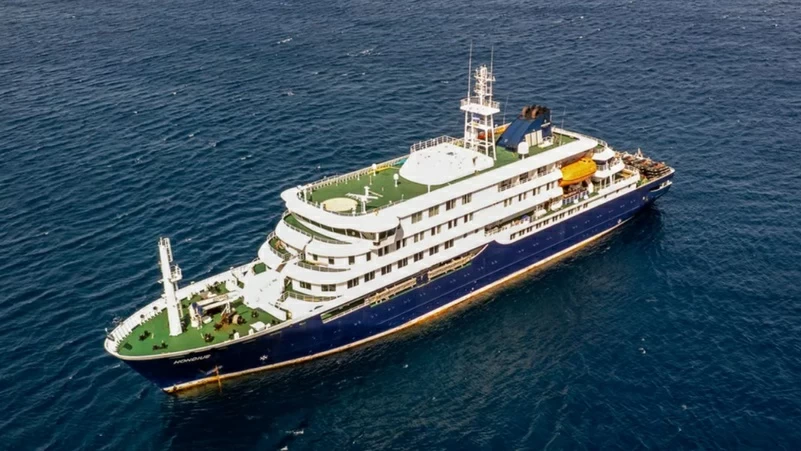
في قلب المحيط الأطلسي، حيث لا شيء يقطع الأفق سوى زرقة المياه وبرد المحيط، تحولت رحلة سياحية فاخرة على متن السفينة MV Hondius إلى «كابوس بيولوجي». ما كان يُفترض أن يكون رحلة استكشافية حالمة من الأرجنتين نحو أوروبا، انتهى بإعلان حالة الطوارئ الدولية، وسط أنباء عن وفيات غامضة وإصابات حرجة أربكت الأوساط الطبية.
بدأت القصة بأعراض بدت «بريئة»، كحرارة مفاجئة، وتعب شديد، وآلام عضلية اعتقد الركاب أنها مجرد «نزلة برد» نتيجة تقلبات الطقس. لكن في غضون أيام قليلة، انهار المشهد تماماً. وتحولت الأعراض إلى صعوبة تنفس حادة، وتدهور سريع ومفاجئ في الحالة الصحية للركاب، لتنتهي الرحلة بـ 3 وفيات مؤكدة، وسط حالة من الذعر على متن السفينة.
«الفايروس الغامض».. عدو لا يُرى بالعين المجردة
التحقيقات الأولية وجهت أصابع الاتهام نحو «فيروس هانتا» (Hantavirus)، وهو فيروس نادر وفتّاك، ينتقل عادةً عبر القوارض ولا يظهر إلا في بيئات معينة. وهنا طرح الخبراء السؤال الذي حيّر العالم: كيف وصل فيروس مرتبط بالفئران إلى قلب المحيط الأطلسي؟
وترجح الفرضيات دخول «عدو صغير» إلى السفينة عبر:
- قوارض تسللت إلى أجزاء مخفية داخل السفينة.
- غبار ملوث بمخلفات القوارض تم استنشاقه عبر أنظمة التهوية.
- تلوث في مخزون الغذاء.
لماذا تثير هذه الحادثة رعب «منظمة الصحة»؟
هذه الحادثة ليست مجرد تفشٍ طبي، بل هي درس قاسٍ في ثلاثة جوانب:
- البيئة المغلقة: السفن السياحية بيئات معزولة تجعل السيطرة على أي فايروس أمراً أشبه بالمستحيل.
- العدو غير المرئي: فايروس «هانتا» لا يحتاج للاحتكاك المباشر، بل قد يكفي «غبار ملوث» في الهواء لنشر الموت.
- صدمة الأمان: حطمت الحادثة صورة «السفينة الفاخرة» كملجأ آمن، لتتحول في نظر العالم إلى بؤرة تهديد وبائي.
ومع تزايد الحالات، تحولت السفينة إلى «وحدة عزل عائمة»، واستُدعيت فرق إخلاء طبي لنقل المصابين إلى مستشفيات جنوب إفريقيا، بينما دخلت منظمة الصحة العالمية على الخط لمتابعة التداعيات.
وبينما تظل السفينة تحت المراقبة، يظل السؤال الذي يطارد المسافرين حول العالم: هل البشر آمنون فعلاً في أكثر الأماكن عزلة؟ أم أن «العدو غير المرئي» يمكنه الوصول إليهم في أي لحظة؟
In the heart of the Atlantic Ocean, where nothing interrupts the horizon but the blue waters and the cold of the ocean, a luxury cruise aboard the MV Hondius turned into a "biological nightmare." What was supposed to be a dreamy exploratory journey from Argentina to Europe ended with the declaration of an international emergency, amid reports of mysterious deaths and critical injuries that baffled the medical community.
The story began with symptoms that seemed "innocent," such as sudden fever, severe fatigue, and muscle aches that passengers thought were just a "cold" due to weather fluctuations. But within a few days, the scene completely collapsed. The symptoms evolved into severe breathing difficulties and a rapid and sudden deterioration in the health of the passengers, culminating in 3 confirmed deaths, amidst a state of panic aboard the ship.
“The Mysterious Virus”.. An Invisible Enemy
Initial investigations pointed fingers at the "Hantavirus," a rare and deadly virus that is typically transmitted through rodents and only appears in certain environments. Here, experts posed the question that puzzled the world: How did a virus associated with mice reach the heart of the Atlantic Ocean?
The hypotheses suggest that a "small enemy" entered the ship through:
- Rodents that infiltrated hidden parts of the ship.
- Contaminated dust from rodent droppings inhaled through the ventilation systems.
- Contamination in the food supply.
Why Does This Incident Alarm the "Health Organization"?
This incident is not just a medical outbreak; it is a harsh lesson in three aspects:
- The enclosed environment: Cruise ships are isolated environments that make controlling any virus nearly impossible.
- The invisible enemy: The Hantavirus does not require direct contact; even "contaminated dust" in the air may be enough to spread death.
- The security shock: The incident shattered the image of the "luxury ship" as a safe haven, transforming it in the eyes of the world into a hotspot for epidemic threat.
As the number of cases increased, the ship turned into a "floating isolation unit," and medical evacuation teams were summoned to transport the injured to hospitals in South Africa, while the World Health Organization stepped in to monitor the repercussions.
While the ship remains under observation, the question that haunts travelers around the world persists: Are humans truly safe in the most isolated places? Or can the "invisible enemy" reach them at any moment?