ناصر صالح الصرامي alsaraminasser@ -صحفي سعودي-يكتب في مساحة تلتقي فيها التقنية بالإنسان
• مرجعيتك الدينية والطبية وحتى علاقاتك الحميمية أصبحت نموذجاً ذكياً في جيبك!
• تذكر دائماً أن «الآلة» مرفوع عنها القلم!
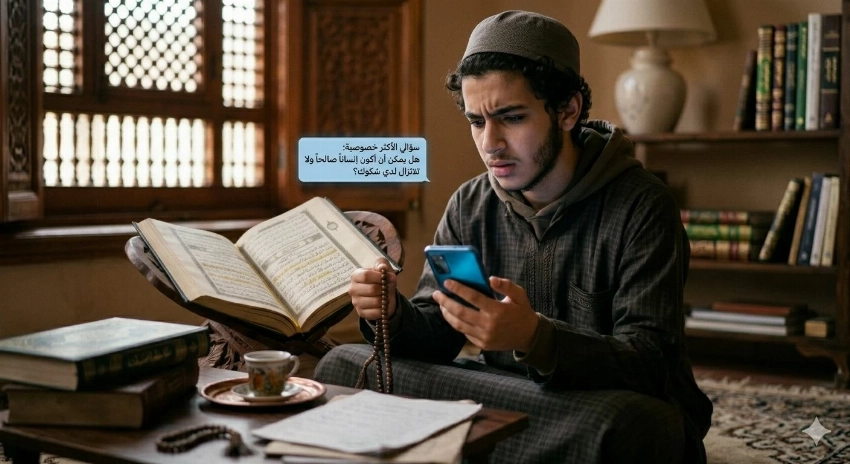
⁃ في المسجد الحرام، أقدس بقعة على وجه الأرض-عندنا، يقف معتمر أو حاج أو زائر أمام شاشة روبوت ويسأله عن حكم شرعي.
الروبوت يُجيب فوراً.. بلا تردد.. بلا خشية.. بلا سابق معرفة.
هذا ليس مشهداً من خيال قادم، إنه أيها السيدات والسادة يحدث الآن.
بل ويحدث الآن في غرف النوم وعيادات الطب النفسي وقاعات المحاكم وأسرّة المرضى. في كل مكان يحتاج فيه الإنسان إجابة بعيدة أو قريبة، أو تلك التي لا يجرؤ على سؤالها أحد.
• هنا والآن!
كانوا يذهبون إلى الحلقات والمساجد للسؤال والاستفتاء، ثم حلّت الكتب الثقيلة مرجعيةً جزئية، ثم جاء الراديو ليقدم برامج إفتاء واستفتاء تصل أبعد من محراب المسجد ومنبره، وبعدها أصبح التلفزيون أكثر جاذبية واستخداماً للحواس لمشاهدة المفتي والتواصل معه، لتليها مواقع إنترنتية وتطبيقات لا يُعرف أحياناً -أو في الغالب- من يقف خلفها!
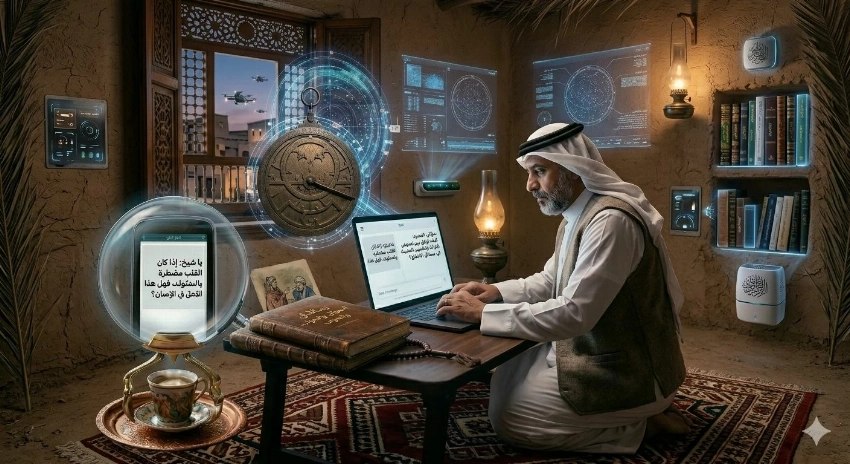
⁃ روبوتات «منارة» نُشرت في المسجد الحرام لتُجيب الحجاج والمعتمرين بأكثر من 11 لغة، وتصل إلى 15 لغة بحسب بعض التحديثات. وإن عجزت عن الإجابة، تتصل بعالم شرعي عبر شاشة.
فيما ظهرت عشرات التطبيقات الإسلامية المتخصصة، مثل Ask AiDeen وSalam.chat، تُقدّم إجابات دينية بأسلوب يحاكي حكم العالم الشرعي. الظاهرة باتت تُعرف بـ«السلطة الدينية الخوارزمية».
مركز الإفتاء في أوزبكستان، وتحديداً إدارة المسلمين في أوزبكستان، أصدر بياناً رسمياً عام 2023 يُحذّر من استخدام ChatGPT للاستفتاء الديني، مؤكداً أنه «منتج تقني لا يستطيع تقديم إجابات دينية دقيقة وموثوقة».
وكذلك يفعل «بعض» رجال الدين الذين يجدون منافسة شرسة جداً مع «الخوارزميات الدينية»!
لكن الناس لا تنتظر، استعجال الإنسان لكل شيء يحثه بشدة على البحث الفوري عن جواب وبأسرع وقت يريح ضميره المنهك ويكفيه عناء البحث والذنب، أو هكذا يعتقد!
• الدين والطب والجنس في جيبك!
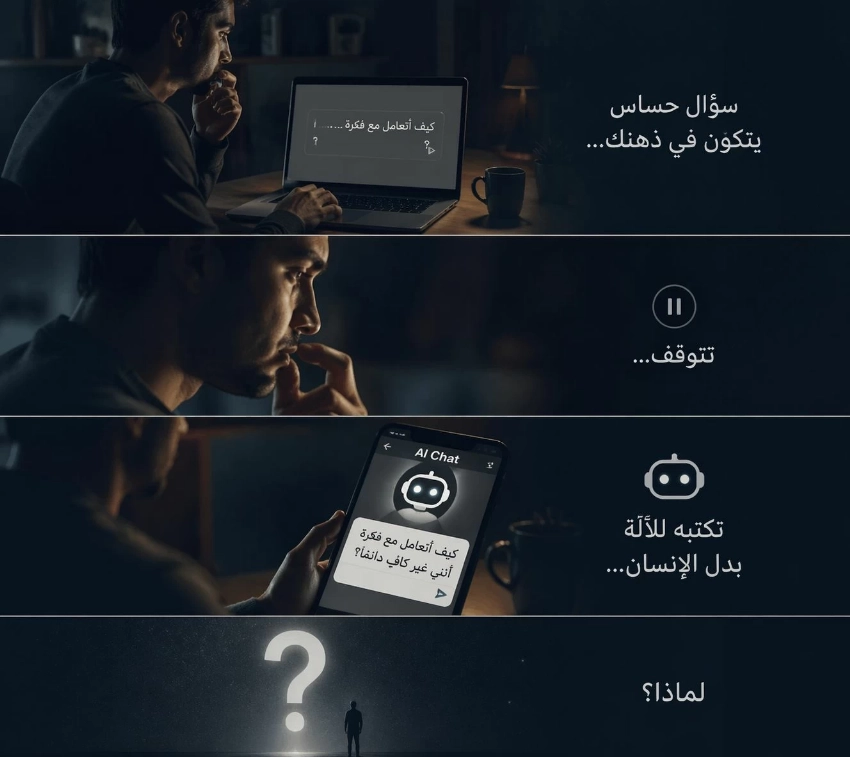
الأسئلة التي لم يجرؤ أحد على سؤالها لطبيب أو شيخ أو حتى زوج، صارت تُكتب بسهولة تامة في خانة البحث أو حتى الأوامر الصوتية!
تشير بعض الاستطلاعات، مع الأخذ بالتباين في المنهجيات، إلى أن نحو ثلث المتزوجين قد يلجؤون للذكاء الاصطناعي قبل أن يتحدثوا مع شريك حياتهم عن مشاكلهم. و33% يشعرون أحياناً أن الآلة «تفهمهم أكثر من زوجهم».
أما بالنسبة للعلاقات الحميمية مع الذكاء الاصطناعي، فوفقاً لاستطلاع مركز بيو للأبحاث 2024، لا تتجاوز نسبة من تفاعلوا عاطفياً أو جنسياً مع رفيق رقمي 10-15% في المجتمعات الغربية، بينما ترفعها بعض شركات الأبحاث التسويقية إلى أكثر من 20%. وسوق «الرفيق الرقمي الحميم» وفق تقديرات Grand View Research تتجاوز 9.5 مليار دولار بحلول 2028.
انتبهوا جيداً، نحن لسنا أمام انحراف طارئ. هذا نمط جديد يتشكّل بسرعة لم يتخيّلها أحد.
ولا بد أن صادفك إعلان عن «رفيقة» أو «رفيق حميمي رقمي» جاهز لكل شيء!
ناصر الصرامي
• الآلة مرفوع عنها القلم!
دراسة مقارنة نُشرت عام 2024 مع مركز دراسات الفتوى، قارنت إجابات ChatGPT بفتاوى هيئة الإفتاء الدينية العليا، فوجدت أن 63% من الإجابات متوافقة، و20% متوافقة جزئياً، و16.7% مخالفة كلياً، والأخطاء الأكبر تظهر في المسائل الخلافية بين المذاهب.
16.7 % خطأ في مسائل الحلال والحرام، الأكيد أن هذا ليس رقماً صغيراً حين يتعلق الأمر بعبادة أو زواج أو طلاق.
والمشكلة الأعمق: حين يُخطئ الشيخ قد يُراجَع أو يُحاسَب أو يُردّ عليه علناً وقد يُوبَّخ. وحين يُخطئ الطبيب، يمكن ملاحقته قانونياً.
لكن حين يُخطئ الذكاء الاصطناعي، لا أحد يتحمل العاقبة والملامة إلا خوارزمية عذرها الهلوسة. من يتحمل؟ الشركة المطورة؟ المستخدم؟ الوكيل؟ لا إجابة قانونية واضحة بعد.
لكن، أنت وعقلك وإخلاصك الأهم في المعادلة.
الآلة -الخوارزمية- لا تعرف الخوف من الله، لا تعرف المسؤولية أمام المريض، ولا تعرف ثقل الكلمة حين تُغيّر حياة إنسان. تُجيب لأن هذا ما تفعله، لا لأنها تعرف.
• ما يخجل منه-السرية!
من المهم الكشف هنا عن بُعد إنساني عميق في هذه الظاهرة لا يمكن تجاهله.
الناس تسأل الآلة ما لا تجرؤ على سؤاله لأي إنسان، لأن الآلة لا تحكم ولا تحتقر ولا تتذكر. أو يكفي مجرد الاعتقاد بأنها تحمل السر وتضمن السرية!
وهذا يكشف شيئاً مختلفاً: كم الخجل الهائل الذي يحمله الإنسان، حتى من أقرب الناس إليه.
لكن الإجابة على الخجل ليست آلة باردة تُجيب بثقة مفرطة وزائفة. الإجابة هنا علاقة إنسانية حقيقية، طبيب قد يفهم، وعالم قد يخشى، وشريك قد يسمع.
الذكاء الاصطناعي يملأ الفراغ بسرعة مخيفة وسرية نعتقد أنها تامة.
وهي ظاهرة ليست إسلامية فقط؛ ففي العالم المسيحي ظهرت تجارب «اعتراف آلي»، وفي اليهودية «Rabbi Bot»، والسؤال نفسه يُطرح في كل ديانة. وبعض الهيئات الكبرى كدار الإفتاء المصرية وهيئة كبار العلماء السعودية تستخدم الذكاء الاصطناعي كأداة بحثية مساعدة لا كمفتٍ. دخول مبكر جيد، لكنه سيواجه منافسة شرسة من نماذج وروبوتات ستولد كل يوم. نماذج أكثر جذباً وإقناعاً، وبلا مسؤولية ربما!
الفارق ليس في الإجابة. الفارق في المسؤولية. لا تعرف الخوارزمية، صاحبة السلطة الجديدة، من أين ستأتي بالمسؤولية؟!
إلى اللقاء،،»
Your religious, medical, and even intimate relationships have become a smart model in your pocket!
• Always remember that "the machine" is exempt from accountability!
⁃ In the Grand Mosque, the holiest place on Earth—according to us—an Umrah performer, pilgrim, or visitor stands in front of a robot screen and asks it about a religious ruling.
The robot responds immediately... without hesitation... without fear... without prior knowledge.
This is not a scene from an upcoming fantasy; it is happening, ladies and gentlemen, right now.
In fact, it is happening now in bedrooms, psychiatric clinics, courtrooms, and hospital beds. Everywhere a person needs an answer, whether far or near, or one that no one dares to ask.
• Here and now!
They used to go to circles and mosques to ask questions and seek fatwas, then heavy books became a partial reference, then radio came to provide fatwa and inquiry programs that reached beyond the mosque's mihrab and pulpit, followed by television, which became more attractive and sensory for watching the mufti and communicating with him, and then came websites and applications whose creators are sometimes unknown—or often!—to those who use them!
Currently, artificial intelligence models are giving us something entirely different.
⁃ "Minara" robots have been deployed in the Grand Mosque to answer pilgrims and Umrah performers in more than 11 languages, reaching up to 15 languages according to some updates. If they fail to answer, they connect to a religious scholar via screen.
Meanwhile, dozens of specialized Islamic applications have emerged, such as Ask AiDeen and Salam.chat, providing religious answers in a manner that mimics the rulings of a religious scholar. This phenomenon has come to be known as "algorithmic religious authority."
The Fatwa Center in Uzbekistan, specifically the Administration of Muslims in Uzbekistan, issued an official statement in 2023 warning against using ChatGPT for religious inquiries, affirming that it is "a technological product that cannot provide accurate and reliable religious answers."
Some religious figures are doing the same, finding fierce competition with "religious algorithms"!
But people do not wait; the human rush for everything strongly urges them to seek immediate answers that soothe their weary conscience and spare them the burden of searching and guilt, or so they believe!
• Religion, medicine, and sex in your pocket!
The questions that no one dared to ask a doctor, a sheikh, or even a spouse are now easily typed into a search box or even spoken commands!
Some surveys, taking into account variations in methodologies, indicate that about one-third of married individuals may turn to artificial intelligence before discussing their problems with their life partner. And 33% sometimes feel that the machine "understands them more than their spouse."
As for intimate relationships with artificial intelligence, according to a 2024 Pew Research Center survey, the percentage of those who have interacted emotionally or sexually with a digital companion does not exceed 10-15% in Western societies, while some marketing research companies raise it to over 20%. The market for "intimate digital companions," according to Grand View Research estimates, will exceed $9.5 billion by 2028.
Be careful; we are not facing a temporary deviation. This is a new pattern forming rapidly that no one imagined.
And you must have come across an advertisement for a "digital intimate companion" ready for everything!
ناصر الصرامي
• The machine is exempt from accountability!
A comparative study published in 2024 with the Fatwa Studies Center compared ChatGPT's responses with the fatwas of the Supreme Religious Fatwa Authority, finding that 63% of the answers were consistent, 20% partially consistent, and 16.7% completely contradictory, with the largest errors appearing in contentious issues between sects.
16.7% error in matters of halal and haram; this is certainly not a small number when it comes to worship, marriage, or divorce.
The deeper problem: when a sheikh makes a mistake, he may be reviewed, held accountable, or publicly challenged and reprimanded. When a doctor makes a mistake, they can be legally pursued.
But when artificial intelligence makes a mistake, no one bears the consequence or blame except for an algorithm whose excuse is delusion. Who is responsible? The developing company? The user? The agent? There is no clear legal answer yet.
But you, your mind, and your sincerity are the most important in the equation.
The machine—the algorithm—does not know the fear of God, does not know responsibility towards the patient, and does not understand the weight of a word when it changes a person's life. It responds because that is what it does, not because it knows.
• What one is ashamed of—confidentiality!
It is important to reveal here a deep human dimension in this phenomenon that cannot be ignored.
People ask the machine what they do not dare to ask any human because the machine does not judge, does not despise, and does not remember. Or it is enough to simply believe that it carries the secret and guarantees confidentiality!
This reveals something different: the immense shame that a person carries, even from those closest to them.
But the answer to shame is not a cold machine that responds with excessive and false confidence. The answer here is a real human relationship, a doctor who may understand, a scholar who may fear, and a partner who may listen.
Artificial intelligence fills the void at a frightening speed and with a confidentiality we believe to be complete.
This phenomenon is not only Islamic; in the Christian world, "automated confession" experiences have emerged, and in Judaism, "Rabbi Bot," and the same question is raised in every religion. Some major bodies, such as the Egyptian Fatwa House and the Saudi Council of Senior Scholars, use artificial intelligence as an auxiliary research tool, not as a mufti. A good early entry, but it will face fierce competition from models and robots that will be born every day. More attractive and convincing models, perhaps without responsibility!
The difference is not in the answer. The difference is in responsibility. The algorithm, the new authority, does not know where it will come from with responsibility?!