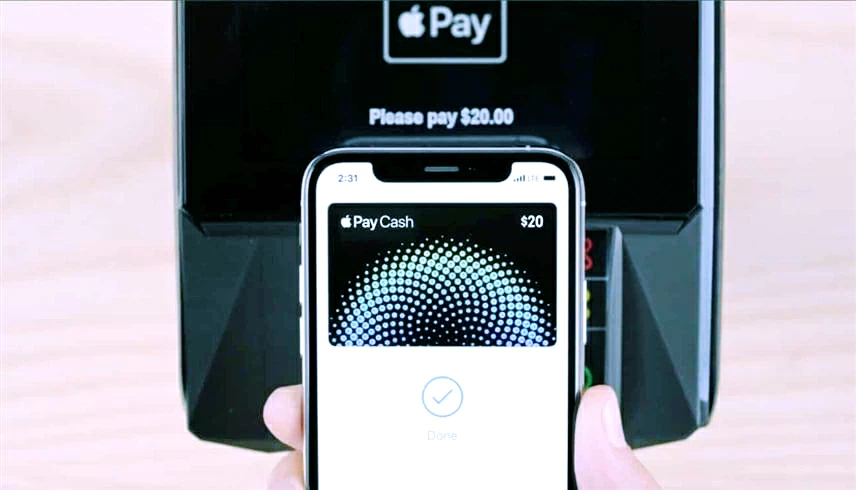
وسط تصاعد التهديدات الرقمية المرتبطة بخدمات الدفع الإلكتروني، وجّه خبراء الأمن السيبراني تحذيرات مباشرة لمستخدمي Apple Pay، مؤكدين ضرورة اتخاذ إجراءات فورية لتأمين الحسابات البنكية المرتبطة بها، في ظل تطور أساليب الاحتيال التي باتت تحاكي الجهات الرسمية بدقة عالية، مستغلة ثقة المستخدمين وسرعة استجابتهم للرسائل المفاجئة، بحسب ما ذكر موقع 24 نقلًا عن منصات متخصصة مثل ConsumerAffairs وTechRadar.
التوصيات تبدأ بتجاهل أي رسائل نصية أو بريدية تدّعي وجود مشكلة عاجلة في الحساب، إذ تعتمد معظم محاولات الاحتيال على خلق حالة استعجال، لدفع المستخدم إلى اتخاذ قرار سريع دون تحقق، فيما يُنصح بمراجعة العمليات البنكية مباشرة من التطبيق الرسمي، بدل الاعتماد على الرسائل الواردة.
ويؤكد الخبراء، أهمية التواصل فقط عبر القنوات الرسمية للبنك أو الشركة، وعدم مشاركة أي بيانات حساسة مثل كلمات المرور أو أرقام التعريف الشخصي، نظرًا لأن الجهات الرسمية لا تطلب هذه المعلومات عبر الرسائل أو المكالمات.
كما شددوا على ضرورة التدقيق في عناوين البريد الإلكتروني والروابط، حيث تكشف الأخطاء الإملائية أو النطاقات غير الرسمية عن محاولات تصيّد، إضافة إلى الحذر من الرسائل التي تستخدم أسلوب الضغط الزمني أو التهديد بإيقاف الحساب، وهي من أبرز أدوات المحتالين.
Amid the rising digital threats associated with electronic payment services, cybersecurity experts have issued direct warnings to Apple Pay users, emphasizing the need for immediate actions to secure their linked bank accounts, given the evolving fraud methods that now closely mimic official entities, exploiting user trust and their quick responses to unexpected messages, according to a report by 24 citing specialized platforms such as ConsumerAffairs and TechRadar.
The recommendations begin with ignoring any text or email messages claiming there is an urgent problem with the account, as most fraud attempts rely on creating a sense of urgency to push the user into making a quick decision without verification. It is advised to review banking transactions directly from the official app, rather than relying on incoming messages.
Experts stress the importance of communicating only through the official channels of the bank or company, and not sharing any sensitive information such as passwords or PIN numbers, as official entities do not request this information via messages or calls.
They also emphasized the need to scrutinize email addresses and links, as spelling mistakes or unofficial domains reveal phishing attempts, in addition to being cautious of messages that use time pressure tactics or threaten to suspend the account, which are among the main tools of scammers.