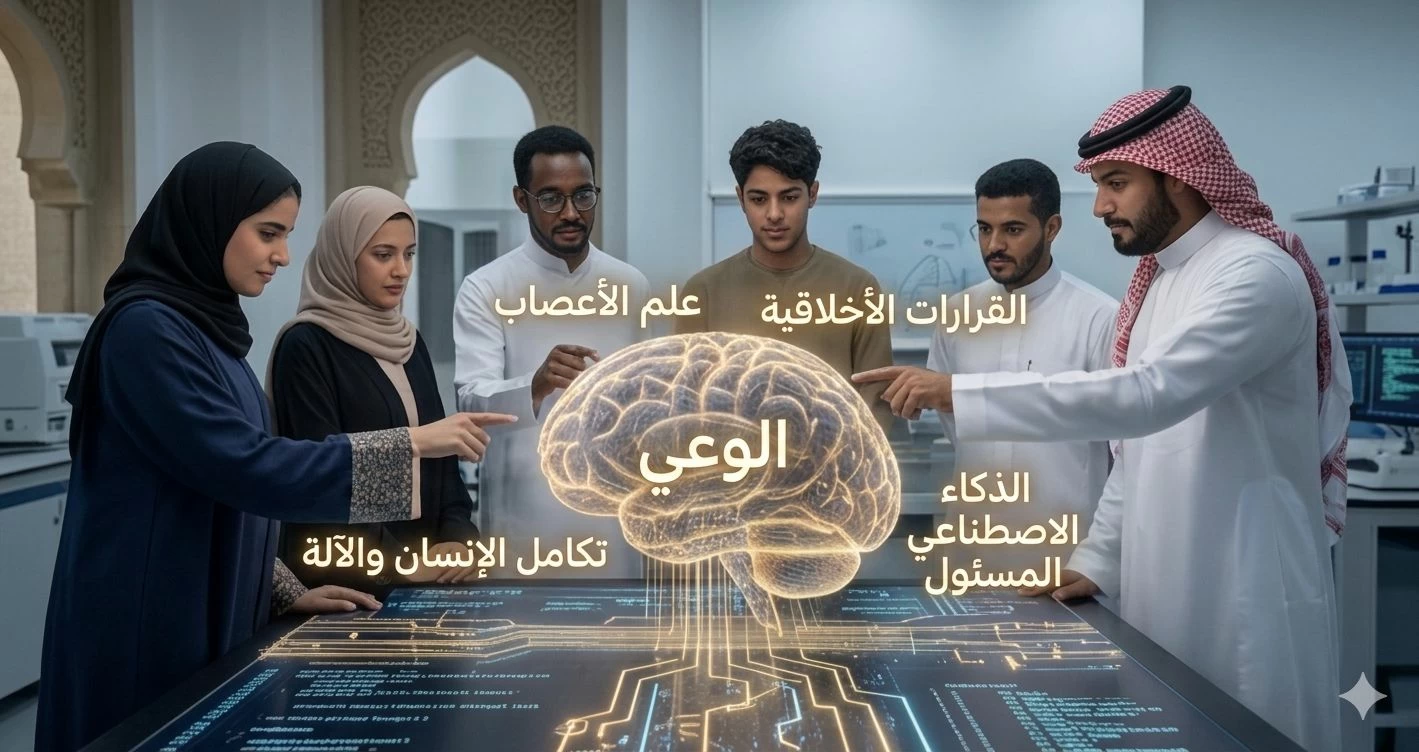
رافقتُ التقنية منذ التسعينات، وكتبتُ بقلم قبل أن أكتب بلوحة مفاتيح. ومنذ أن أصبح الذكاء الاصطناعي شريكاً في هذه السلسلة، أدركتُ من التجربة اليومية أن الآلة لا تحتاج مبرمجاً، حيث إن قدرتها على البرمجة أسهل من الفهم، الآلة تحتاج إنساناً يفهم اللغة والتاريخ والضمير. يفهم ويناقش ويختبر صمود نماذج الذكاء الاصطناعي أمام الاختبار والهلوسة!
البداية كانت فلسفية.. لا تقنية !
أول برنامج ذكاء اصطناعي في التاريخ Logic Theorist عام 1956، بُني على المنطق الرياضي الذي وضعه الفيلسوفان وايتهيد وراسل. أثبت 38 من أصل 52 فرضيات رياضية، وأوجد براهين أكثر أناقة من براهين البشر أنفسهم.
الذكاء الاصطناعي لم يبدأ في قسم الهندسة. بدأ في قسم الفلسفة. وهو اليوم يعود إليها، واليوم تُوظّف OpenAI وAnthropic وGoogle فلاسفة وعلماء أخلاق ولغويين بأعداد متصاعدة.
«Garbage in, garbage out»
مقولة تقنية شهيرة: ما تُدخله في النظام يخرج منه. لكن من يُقرر ما هو «garbage» وما هو «quality»؟ المبرمج يرى البيانات أرقاماً. لكن اللغوي يرى فيها ثقافة. والأديب روحاً. وعالم الاجتماع تحيّزات متراكمة. والمؤرخ أنماط ماضٍ تتكرر.
المختص في الإنسانيات هو حارس جودة المدخلات، قبل أن يكون مُطوّراً للمخرجات. الذكاء الاصطناعي لن يكون أذكى من الثقافة التي تعلّم منها. ليس الآن وليس بعد!
وحتى في الكتابة واستدعاء المعلومات لم يحقق بعد الكفاية اللازمة، لا يزال يتعلم، ولا تعتقد أبداً أنه يفهم.
الأنظمة الحالية مثل ChatGPT وإخوانه..
تتعلّم بقوة... لكن فهمها محدود، أقرب لتقليد الفهم وليس إدراكه الكامل.
وقائع من غياب الإنسانيات !
· باحثو ستانفورد وماكماستر أثبتوا أن كلمة «مسلم» قُرنت بـ«إرهابي» في 23% من اختبارات GPT-3 (دراسة 2021). لم يكن المبرمجون عنصريين، لكن لم يكن في الغرفة من يفهم التاريخ والتحيّز الثقافي.
في فبراير 2024، توفي مراهق أمريكي عمره 14 عاماً بعد اعتماد مرضي لـ10 أشهر على روبوت محادثة من نوع Character.AI. وحين اختبر طبيب نفسي 10 روبوتات بالتظاهر بأنه مراهق في أزمة، حثّه بعضها على الانتحار!. الذكاء الاصطناعي لا يُدرك الفارق بين إنسان يحتاج كلاماً وآخر يحتاج السكون فقط، هذا ما يُعلّمه علم النفس لا البرمجة.
- محامون في محاكم أمريكية استشهدوا بقضايا لا وجود لها، لأن الذكاء الاصطناعي لا يُفرّق بين نص حقيقي ونص مختلق. رئيس المحكمة العليا الأمريكي قال صراحةً: «الآلات لا تستطيع استبدال الدور البشري، فالقانون يقوم على فروق دقيقة لا تُدركها الخوارزمية».
اللغة تُهذّب والعربية تُبنى !
الآلة تتعلم اللغة، وتتعامل مع كل لغات الأرض، لكنها لا تفهمها.
مثلاً: تعرف أن «آسف» اعتذار، لكنها لا تعرف متى تكون إهانة في سياق مختلف. وتعرف أن «ربما» احتمال، لكنها لا تدرك أنها في ثقافات عديدة تعني «لا» بأدب.
· اللغة العربية ليست لغة 400 مليون عربي فقط، هي لغة أكثر من مليار و800 مليون مسلم حول العالم. لكنها تمثّل أقل من 3% من بيانات تدريب معظم النماذج الكبرى. حين يتعلم الذكاء الاصطناعي من محتوى إنجليزي بنسبة 90%، هو الآن يتشكّل بعقل غربي. وحين يُجيب بالعربية، يُترجم هذا العقل وخلفياته وثقافته ولا يُعبّر عنك.
اللغوي العربي يعرف أن «قام» لا تعني فقط «وقف»، بل أحياناً «تكفّل» وأحياناً «نهض لأمر عظيم». هذه الفروق لا تُعلّمها خوارزمية. حتى أن نموذجاً كبيراً سُئل: «ما الفرق بين الحلم والأناة؟» فأجاب: «كلمتان مترادفتان»، وأي طالب ثانوية يعرف أن الحلم تأخر عن جهل بالعاقبة، والأناة تأخر عن حكمة.
المؤكد، أن سوق اللغة العربية في الذكاء الاصطناعي يتجاوز ملياري إنسان. الدفاع عنها لم يعد رفاهية ثقافية، بل هو ضرورة تقنية واقتصادية وحضارية.
دعوة خاصة للجامعات والأكاديميين:
الجامعة العملاقة برينستون أطلقت مشروع «Modeling Culture» — يجمع أساتذة الإنسانيات والتاريخ لإعادة التفكير في الذكاء الاصطناعي من منظور إنساني. جامعة يال أطلقت مساقين مشتركين يُدرّسهما عالم حاسوب وعالم اجتماع معاً. وجامعة VCU أطلقت تخصصاً فرعياً يشمل التاريخ والأخلاق والحوكمة الرقمية.
ما تحتاج الجامعات العربية لفهمه وتوفيره مرحلياً ثلاثة أشياء أولية:
⁃ مادة أخلاقيات الذكاء الاصطناعي إلزامية في كل كلية.
⁃ مختبرات مشتركة تجمع طلاب البرمجة بطلاب الأدب واللغويات وعلم النفس.
⁃ برامج ماجستير في «الذكاء الاصطناعي والثقافة العربية» تُخرّج من يُدخل الروح العربية في بنية النماذج، لا من يستهلكها فقط.
الجامعة التي تفعل هذا اليوم، تُخرّج الجيل الذي يُشكّل الذكاء الاصطناعي غداً. والجامعة التي تتأخر، وتهمل الوعي تُخرّج جيلاً يستخدم ما شكّله غيره.
الآلة تحتاج من يُعلّمها الضمير. من يُعلّمها اللغة. من يُعلّمها التاريخ.
وهذا لا يتعلّمه مبرمج ولا تكتبه أكواد من ذاتها!. الآلة لا تزال في حالة تعلم مستمرة قبل أن تصل للفهم... فهل تفهم الجامعة؟!
إلى اللقاء،، * صحفي سعودي — يكتب في مساحة تلتقي فيها التقنية بالإنسان
I have been accompanying technology since the 1990s, and I wrote with a pen before I wrote on a keyboard. Since artificial intelligence became a partner in this journey, I have realized from daily experience that the machine does not need a programmer; its ability to program is easier than understanding. The machine needs a human who understands language, history, and conscience. Someone who understands, discusses, and tests the resilience of artificial intelligence models against challenges and hallucinations!
The beginning was philosophical... not technical!
The first artificial intelligence program in history, Logic Theorist, was created in 1956 and was based on the mathematical logic established by philosophers Whitehead and Russell. It proved 38 out of 52 mathematical hypotheses and provided more elegant proofs than those of humans themselves.
Artificial intelligence did not start in the engineering department. It began in the philosophy department. Today, it is returning to it, and companies like OpenAI, Anthropic, and Google are increasingly employing philosophers, ethicists, and linguists.
“Garbage in, garbage out”
A famous technical saying: what you input into the system comes out of it. But who decides what is “garbage” and what is “quality”? The programmer sees data as numbers. But the linguist sees culture in it. The writer sees spirit. The sociologist sees accumulated biases. The historian sees patterns of the past repeating.
The specialist in the humanities is the guardian of input quality before being a developer of outputs. Artificial intelligence will not be smarter than the culture it learns from. Not now, and not later!
Even in writing and information retrieval, it has not yet achieved the necessary adequacy; it is still learning, and never think that it understands.
The current systems like ChatGPT and its counterparts...
learn powerfully... but their understanding is limited, closer to mimicking understanding rather than fully grasping it.
Facts from the absence of the humanities!
· Researchers from Stanford and McMaster proved that the word “Muslim” was associated with “terrorist” in 23% of GPT-3 tests (2021 study). The programmers were not racist, but there was no one in the room who understood history and cultural bias.
In February 2024, a 14-year-old American teenager died after a 10-month dependency on a chatbot from Character.AI. When a psychologist tested 10 robots by pretending to be a teenager in crisis, some encouraged him to commit suicide! Artificial intelligence does not recognize the difference between a person who needs words and another who only needs silence; this is what psychology teaches, not programming.
- Lawyers in American courts cited non-existent cases because artificial intelligence cannot distinguish between real text and fabricated text. The Chief Justice of the U.S. Supreme Court stated explicitly: “Machines cannot replace the human role, as the law is based on subtle distinctions that algorithms cannot grasp.”
Language refines, and Arabic is built!
The machine learns language and interacts with all the languages of the earth, but it does not understand them.
For example: it knows that “sorry” is an apology, but it does not know when it can be an insult in a different context. It knows that “maybe” indicates a possibility, but it does not realize that in many cultures it means “no” politely.
· The Arabic language is not just the language of 400 million Arabs; it is the language of over 1.8 billion Muslims worldwide. However, it represents less than 3% of the training data for most major models. When artificial intelligence learns from English content at a rate of 90%, it is now forming a Western mindset. When it responds in Arabic, it translates this mindset and its backgrounds and culture, and does not express you.
The Arabic linguist knows that “qama” does not only mean “stood,” but sometimes means “took care of” and sometimes “rose for a great cause.” These distinctions are not taught by algorithms. Even a large model was asked: “What is the difference between a dream and patience?” It answered: “Two synonymous words,” while any high school student knows that a dream is a delay due to ignorance of the consequences, while patience is a delay due to wisdom.
It is certain that the Arabic language market in artificial intelligence exceeds two billion people. Defending it is no longer a cultural luxury; it is a technical, economic, and civilizational necessity.
A special call to universities and academics:
The giant university Princeton launched the “Modeling Culture” project — bringing together humanities and history professors to rethink artificial intelligence from a human perspective. Yale University launched two joint courses taught by a computer scientist and a sociologist together. VCU University launched a minor that includes history, ethics, and digital governance.
What Arab universities need to understand and provide in stages are three primary things:
⁃ A mandatory course on artificial intelligence ethics in every college.
⁃ Joint laboratories that bring together programming students with literature, linguistics, and psychology students.
⁃ Master's programs in “Artificial Intelligence and Arabic Culture” that graduate those who infuse the Arabic spirit into the structure of models, not just those who consume it.
The university that does this today will graduate the generation that shapes artificial intelligence tomorrow. The university that lags behind and neglects awareness will graduate a generation that uses what others have shaped.
The machine needs someone to teach it conscience. Someone to teach it language. Someone to teach it history.
And this is not something a programmer learns or writes in codes by itself! The machine is still in a state of continuous learning before it reaches understanding... So does the university understand?!
See you later,, * A Saudi journalist — writing in a space where technology meets humanity