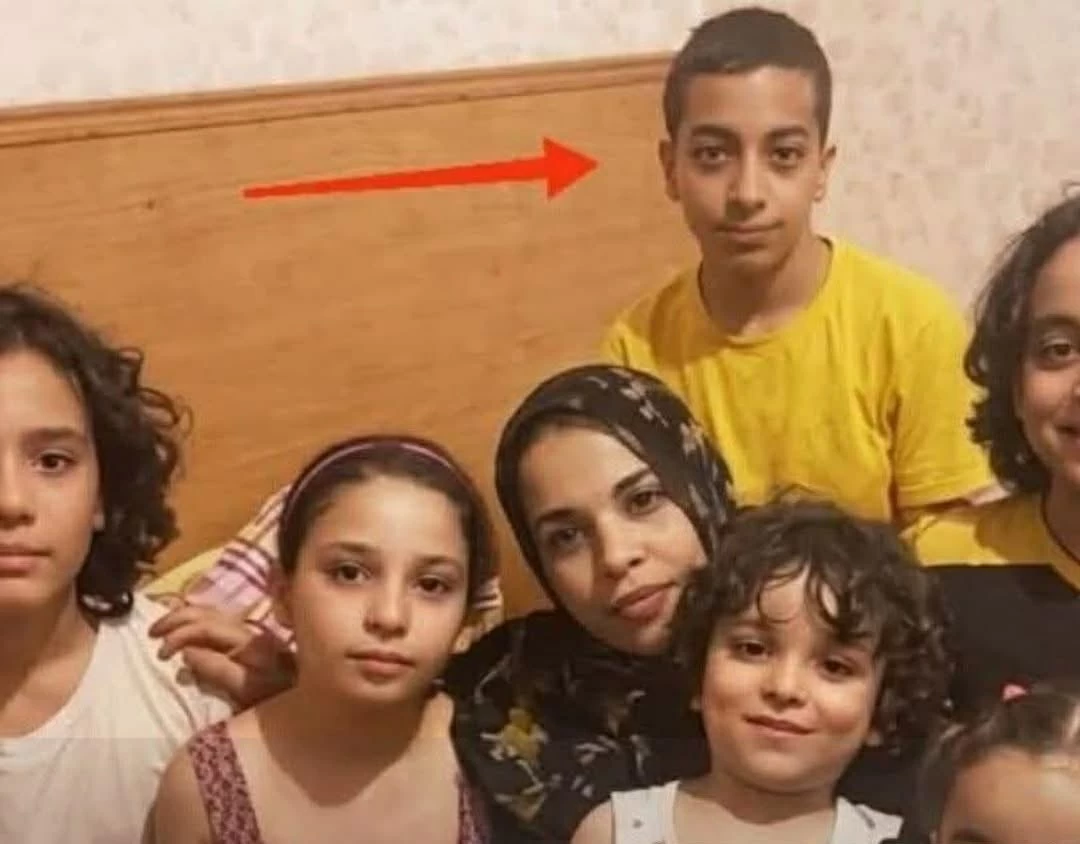
في واحدة من أكثر القضايا التي هزّت الرأي العام في الإسكندرية، أسدلت النيابة العامة المصرية الستار أخيراً على ملف مأساوي في منطقة كرموز، انتهى بقرار غير معتاد يتمثل في: عدم إقامة الدعوى الجنائية ضد شاب متهم بقتل والدته وأشقائه الخمسة.
القضية التي بدأت كصاعقة إنسانية، تحولت مع الوقت إلى ملف معقد تتداخل فيه الجريمة بالطب النفسي، قبل أن تحسمها تقارير الخبرة الطبية التي غيرت مسارها بالكامل.
وأوضحت اللجنة المختصة بالطب النفسي الشرعي في تقريرها النهائي أن الشاب كان يعاني من اضطراب نفسي حاد وحالة فصامية ذهانية وقت الواقعة، أفقدته القدرة على إدراك أفعاله أو التمييز بين الصواب والخطأ.
هذا التقييم الطبي لم يكن تفصيلاً ثانوياً، بل كان نقطة التحول الحاسمة، إذ اعتُبر أن غياب الإدراك والاختيار ينفيان المسؤولية الجنائية وفقاً لقانون العقوبات المصري، لتتحول القضية من جريمة عمدية إلى واقعة مرتبطة باضطراب عقلي شديد.
لكن خلف هذا القرار القانوني، تظل تفاصيل الواقعة صادمة في الذاكرة العامة، إذ عُثر على جثث الأم، البالغة من العمر 41 عاماً، و5 من أبنائها داخل شقة سكنية في ظروف مأساوية، قبل أن تتكشف لاحقاً محاولة الشاب إنهاء حياته بالقفز من ارتفاع شاهق، بعد ارتكاب الواقعة.
محاولة الانتحار تلك انتهت بنجاته بعد تدخل الأهالي، لتبدأ بعدها مرحلة التحقيقات التي كشفت خيوطاً نفسية معقدة أكثر مما كشفت عن دوافع تقليدية للجريمة.
وفي ضوء القرار الأخير، تقرر إيداع الشاب داخل مصحة نفسية متخصصة تحت إشراف طبي كامل، في محاولة لضمان تلقيه العلاج ومتابعة حالته، مع استمرار المراقبة الطبية الدورية لتطور وضعه الصحي.
وبينما أُغلق الملف قانونياً، تبقى قضية كرموز واحدة من أكثر القضايا التي تطرح أسئلة ثقيلة حول حدود المسؤولية، ودور المرض النفسي في إعادة تشكيل معنى الجريمة نفسها، عندما يصبح العقل خارج السيطرة تماماً.
In one of the most shocking cases that stirred public opinion in Alexandria, the Egyptian Public Prosecution has finally closed a tragic file in the Karmouz area, ending with an unusual decision: not to bring criminal charges against a young man accused of killing his mother and five siblings.
The case, which began as a human tragedy, gradually transformed into a complex file intertwining crime with psychiatric issues, before being resolved by medical expert reports that completely changed its course.
The committee specialized in forensic psychiatry stated in its final report that the young man was suffering from a severe psychological disorder and a psychotic schizophrenia at the time of the incident, which impaired his ability to understand his actions or distinguish between right and wrong.
This medical assessment was not a secondary detail; rather, it was the crucial turning point, as the absence of awareness and choice negated criminal responsibility according to Egyptian penal law, transforming the case from intentional crime to an incident related to severe mental disorder.
However, behind this legal decision, the details of the incident remain shocking in public memory, as the bodies of the 41-year-old mother and her five children were found in a residential apartment under tragic circumstances, before it later emerged that the young man had attempted to end his life by jumping from a great height after committing the act.
This suicide attempt ended with his survival after intervention from locals, leading to a phase of investigations that revealed more complex psychological threads than traditional motives for the crime.
In light of the recent decision, it was decided to place the young man in a specialized psychiatric facility under full medical supervision, in an attempt to ensure he receives treatment and monitoring of his condition, with ongoing periodic medical checks to track his health status.
While the file has been legally closed, the Karmouz case remains one of the most significant cases that raises heavy questions about the limits of responsibility and the role of mental illness in reshaping the very meaning of crime when the mind is completely out of control.