فتحت ولاية تكساس زاوية قانونية حساسة حول تذاكر كأس العالم 2026، بعد إعلان المدعي العام كين باكستون، في 9 يونيو 2026، فتح تحقيق رسمي مع الاتحاد الدولي لكرة القدم «فيفا» بشأن مزاعم تتعلق بتضليل جماهير اشترت تذاكر مباريات المونديال في تكساس، خصوصًا في مدينتي هيوستن وأرلينغتون.
القضية تدور حول سؤال مباشر: هل اشترى بعض المشجعين تذاكر على أساس أنها تمنحهم مواقع أو فئات مشاهدة معينة، ثم وجدوا أنفسهم أمام مقاعد أقل جودة مما كان معروضًا وقت الشراء؟ بيان مكتب المدعي العام في تكساس ذكر أن التحقيق يركز على مزاعم تخص موقع المقاعد وجودتها، وأن بعض الشكاوى تحدثت عن تغيّر في خرائط المقاعد بعد البيع، بما قد يحوّل مقاعد كان الجمهور يعتقد أنها من فئة أعلى إلى أماكن أقل تميزًا في الرؤية.
القصة التي فجّرت الملف تتعلق بما يسمى «الفئة الأولى» من التذاكر. وفق بيان تكساس، اشترى مشجعون تذاكر على أنها ضمن فئة ممتازة، ثم ظهرت لاحقًا خرائط مقاعد معدّلة جعلت تلك المواقع أقرب إلى تصنيف أقل جودة. مكتب المدعي العام قال إنه تلقى شكاوى من مستهلكين يروون تجارب مشابهة، ويحقق حاليًا في احتمال مخالفة فيفا لقانون الممارسات التجارية المضللة في تكساس.
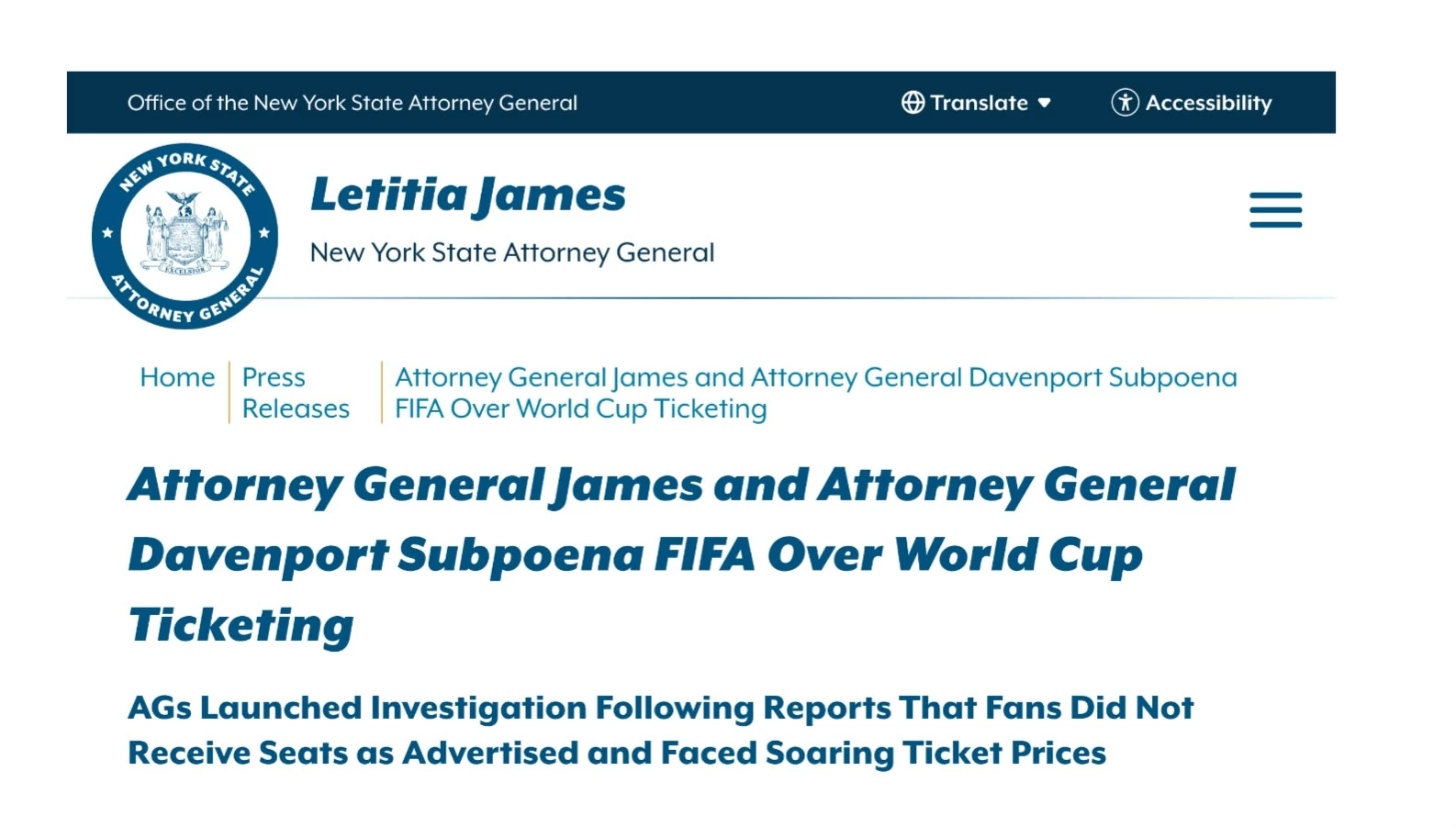
الملف يتجاوز تكساس. ففي 27 مايو 2026، أعلنت المدعية العامة في نيويورك ليتيشا جيمس والمدعية العامة في نيوجيرسي جينيفر دافنبورت إصدار مذكرات استدعاء لفيفا ضمن تحقيق أوسع في ممارسات بيع تذاكر كأس العالم، بعد تقارير عن جماهير تقول إنها تسلمت مقاعد مختلفة عن المعلن، ووسط انتقادات لارتفاع الأسعار. ويركز تحقيق نيويورك ونيوجيرسي خصوصًا على ملعب ميتلايف، الذي يستضيف ثماني مباريات بينها نهائي 19 يوليو 2026.
الأكثر حساسية في الملف أن التحقيقات تلامس نموذج التسعير نفسه. السلطات في نيويورك ونيوجيرسي أشارت إلى أن فيفا استخدم تسعيرًا متغيرًا يعتمد على الطلب، وأن أسعار عدد كبير من المباريات ارتفعت عبر مراحل البيع، مع بحث ما إذا كانت طريقة طرح التذاكر والبيانات العامة قد ساهمت في رفع الأسعار أو خلق ندرة مصطنعة.
القصة تعني أن كأس العالم 2026، بوصفها أكبر نسخة في تاريخ البطولة بـ104 مباريات، بدأت تحت ضغط قانوني واستهلاكي في السوق الأمريكية والقضية لا تخص المنتخب السعودي أو مبارياته مباشرة، لكنها تهم أي مشجع سعودي يخطط للحضور في أمريكا، خصوصًا أن مباريات الأخضر تُباع عبر المنظومة نفسها أو عبر أسواق إعادة البيع المرتبطة بها.
The state of Texas has opened a sensitive legal angle regarding the 2026 World Cup tickets, following Attorney General Ken Paxton's announcement on June 9, 2026, of an official investigation with FIFA regarding allegations of misleading fans who purchased tickets for World Cup matches in Texas, particularly in the cities of Houston and Arlington.
The case revolves around a straightforward question: Did some fans purchase tickets based on the assumption that they would provide them with specific viewing locations or categories, only to find themselves facing lower-quality seats than what was advertised at the time of purchase? The Texas Attorney General's office stated that the investigation focuses on allegations concerning the location and quality of the seats, with some complaints mentioning changes in seating maps after the sale, which could have turned seats that the public believed were of a higher category into less desirable viewing spots.
The story that triggered the file relates to what is called "first-class" tickets. According to the Texas statement, fans purchased tickets claiming they were in a premium category, only for revised seating maps to later emerge that placed those locations closer to a lower quality classification. The Attorney General's office said it received complaints from consumers recounting similar experiences and is currently investigating the possibility of FIFA violating Texas's deceptive trade practices law.
The file extends beyond Texas. On May 27, 2026, New York Attorney General Letitia James and New Jersey Attorney General Jennifer Davenport announced the issuance of subpoenas to FIFA as part of a broader investigation into World Cup ticket sales practices, following reports of fans claiming they received different seats than advertised, amid criticisms of high prices. The New York and New Jersey investigations are particularly focused on MetLife Stadium, which is hosting eight matches, including the final on July 19, 2026.
What makes the file even more sensitive is that the investigations touch on the pricing model itself. Authorities in New York and New Jersey indicated that FIFA employed variable pricing based on demand, and that prices for a large number of matches increased through the sales phases, while examining whether the way tickets were offered and public data contributed to price hikes or created artificial scarcity.
The story means that the 2026 World Cup, being the largest edition in the tournament's history with 104 matches, has begun under legal and consumer pressure in the American market. The case does not directly concern the Saudi national team or its matches, but it is relevant to any Saudi fan planning to attend in America, especially since the matches of the Green Team are sold through the same system or through related resale markets.