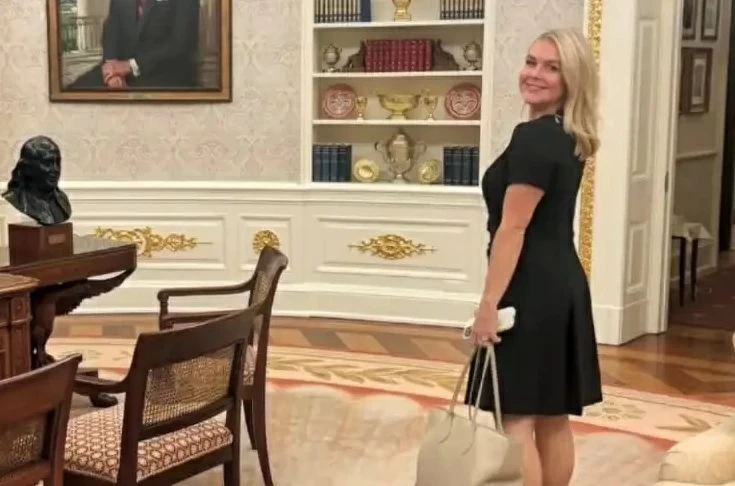
داخل البيت الأبيض، لا يبدو أن القواعد غير المكتوبة تتعلق بالسياسة وحدها، بل تمتد (بحسب تقارير صحفية) إلى عالم آخر أكثر حساسية، هو: المظهر الخارجي.
تقرير لصحيفة «نيويورك تايمز» كشف ملامح ما يُوصف بثقافة مستوحاة من منتجع مارالاغو الفاخر المرتبط بالرئيس دونالد ترمب، إذ يُقال إن الصورة البصرية لم تعد تفصيلاً ثانوياً، بل عنصراً حاضراً في تقييم الحضور داخل الدوائر القريبة من الإدارة.
القصة، كما يرويها التقرير، لا تتعلق بقرار رسمي أو سياسة معلنة، بل بمنظومة اجتماعية ضاغطة تتشكل ببطء داخل بيئة عمل عالية الحساسية، إذ يصبح الانطباع الأول جزءاً من «رأس المال المهني».
وتحدثت موظفات في الإدارة عن توقعات غير مكتوبة تتجاوز الأداء الوظيفي، لتصل إلى تفاصيل المظهر من الملابس إلى تسريحات الشعر وحتى العناية بالمظهر العام، في بيئة توصف بأنها تعطي وزناً كبيراً للصورة العامة.
ويرتبط هذا المناخ، بحسب التقرير، بشخصية ترمب المعروف باهتمامه الشديد بالجماليات، وبآرائه الصريحة حول المظهر، ما جعل البعض يرى أن هذا التوجه انعكس بشكل غير مباشر على ثقافة العمل المحيطة به.
ومع مرور الوقت، لم يعد المظهر مجرد خيار شخصي، بل تحول لدى البعض إلى عامل يُحسب ضمن معادلة القبول المهني، في بيئة يُعتقد أن التفاصيل البصرية فيها تُقرأ بقدر ما تُقرأ الكفاءة.
ويشير خبراء في سلوكيات العمل إلى أن مثل هذه الأجواء، حتى وإن لم تُعلن رسمياً، قد تتحول إلى معيار ضاغط غير مكتوب، يجعل الموظفات في حالة وعي دائم بكيفية ظهورهن داخل بيئة العمل.
وبينما يرى مؤيدون أن الاهتمام بالمظهر جزء من الحياة العامة في مواقع السلطة، يعتبر منتقدون أن هذا النموذج يعيد طرح سؤال قديم بطريقة جديدة: أين ينتهي الأداء المهني، وأين يبدأ حكم الصورة؟
Inside the White House, it seems that the unwritten rules pertain not only to politics but also extend (according to media reports) to another more sensitive realm: appearance.
A report by the "New York Times" revealed aspects of what is described as a culture inspired by the luxurious Mar-a-Lago resort associated with President Donald Trump, as it is said that the visual image is no longer a secondary detail but a present element in evaluating presence within the circles close to the administration.
The story, as narrated by the report, does not concern an official decision or announced policy, but rather a pressing social system that is slowly forming within a highly sensitive work environment, where the first impression becomes part of "professional capital."
Female employees in the administration spoke about unwritten expectations that go beyond job performance, extending to details of appearance from clothing to hairstyles and even general grooming, in an environment described as placing great weight on public image.
This atmosphere, according to the report, is linked to Trump's personality, known for his intense interest in aesthetics and his candid opinions about appearance, which has led some to see that this trend has indirectly reflected on the surrounding work culture.
Over time, appearance has ceased to be merely a personal choice; for some, it has transformed into a factor counted within the equation of professional acceptance, in an environment where visual details are believed to be read as much as competence is.
Experts in workplace behavior indicate that such atmospheres, even if not officially announced, may turn into an unwritten pressing standard, making female employees constantly aware of how they appear within the work environment.
While supporters see that attention to appearance is part of public life in positions of power, critics argue that this model raises an old question in a new way: Where does professional performance end, and where does the judgment of image begin?