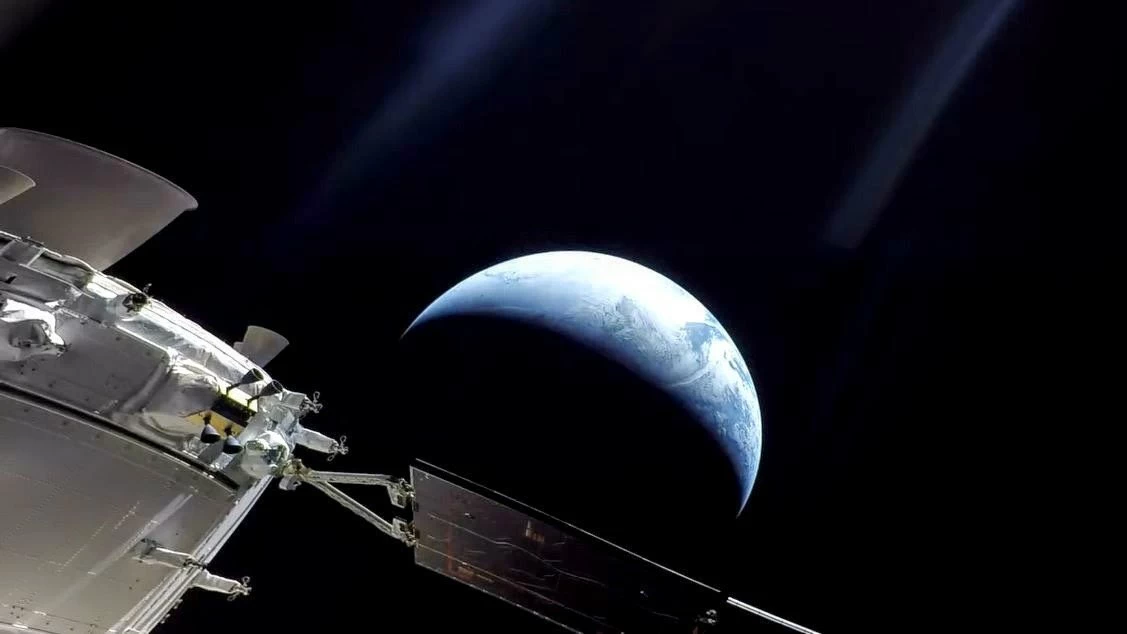
في لحظة درامية أعادت إلى الأذهان مخاطر الفضاء الخفية، فوجئ طاقم مهمة ناسا التاريخية «أرتميس 2» برسالة إنذار طوارئ مرعبة تفيد بوجود «اشتباه في تسرب بالكبسولة»، وذلك بعد دقائق قليلة فقط من عبورهم «نقطة اللاعودة» باتجاه القمر.
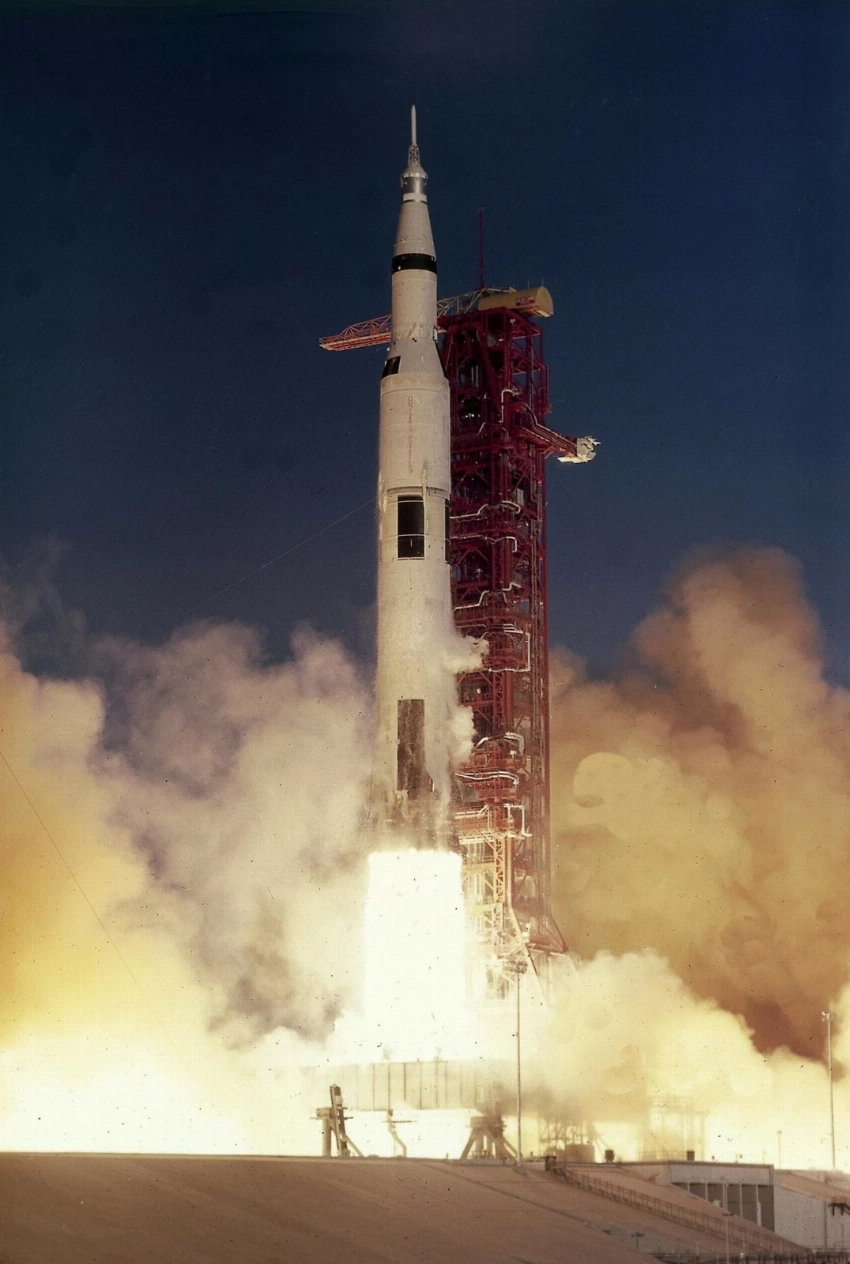
انطلقت المهمة يوم الأربعاء 1 أبريل، من مركز كينيدي الفضائي في فلوريدا على متن صاروخ SLS العملاق، في أول رحلة بشرية تتجه نحو القمر منذ أكثر من 50 عاماً، منذ مهمات أبولو الأسطورية في السبعينيات.
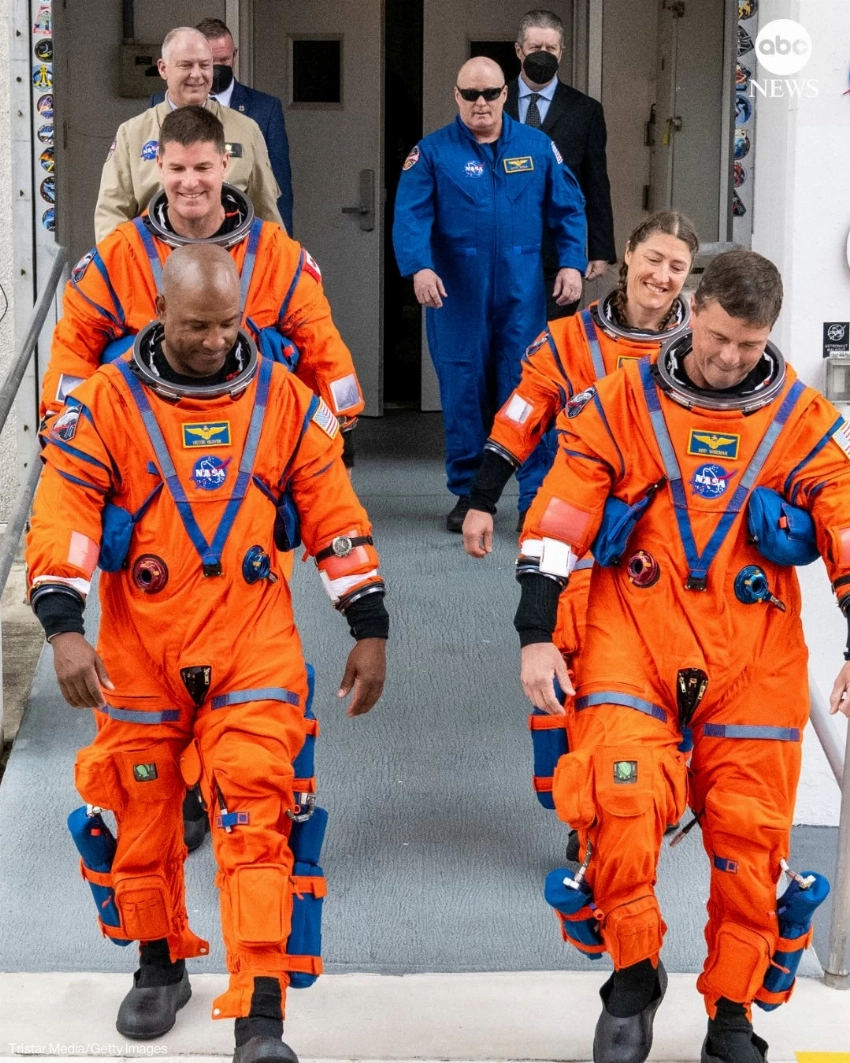
ويضم الطاقم أربعة رواد فضاء هم: القائد ريد وايزمان، والطيار فيكتور غلوفر، ورائدة الفضاء كريستينا كوخ، ورائد الفضاء الكندي جيريمي هانسن.
إنذار طوارئ مفاجئ
وبعد نجاح عملية «حرق المحرك» الحاسمة التي أخرجتهم من مدار الأرض ودفعتهم نحو القمر، وبعد 20 دقيقة فقط من هذا الحرق الذي يُعتبر «نقطة اللاعودة»، تلقت كبسولة أوريون رسالة إنذار طوارئ مفاجئة.
وفي أول مقابلة حية للطاقم من الفضاء، روى جيريمي هانسن التفاصيل المثيرة قائلاً: «جذبت الرسالة انتباهنا بشدة.. انتقل تفكيرنا فجأة من التوجه إلى القمر إلى التساؤل: هل علينا إلغاء الرحلة، وارتداء البدلات الفضائية، والتخطيط للعودة إلى الأرض في أقل من يوم؟».
ويُعد تسرب المقصورة من أخطر المشكلات المحتملة في الفضاء، إذ قد يؤدي إلى انخفاض الضغط داخل الكبسولة، مما يهدد سلامة الهيكل ويعرض الطاقم لفراغ الفضاء القاتل، لكن لحسن الحظ، تبين بعد فحص سريع من قبل الطاقم وفريق المراقبة في مركز التحكم بـ«هيوستن» أن الرسالة كانت خللاً فنياً فقط، وأن ضغط المقصورة كان طبيعياً تماماً ولم يتأثر.
ارتياح نسبي لاستكمال الرحلة
وأكد هانسن أن «هيوستن ساعدتنا بسرعة، وأكدت لنا أن الضغط جيد، وكذلك رأينا ذلك على متن الكبسولة»، مما سمح للطاقم بمواصلة الرحلة بارتياح نسبي.
ورغم اللحظة المرعبة، أكد الطاقم والفريق الأرضي أن المهمة تسير بشكل جيد، وأن مثل هذه الإنذارات الزائفة جزء طبيعي من اختبار التكنولوجيا في ظروف قاسية غير مسبوقة.
وتبلغ المسافة الإجمالية للمهمة حوالى 685 ألف ميل (1.1 مليون كيلومتر)، وفي يومها السادس من الرحلة، ستتجاوز المركبة الرقم القياسي لمسافة مهمة أبولو 13، حيث ستصل إلى أبعد نقطة لها من الأرض، على ارتفاع يقارب 6400 ميل (أكثر من 10 آلاف كيلومتر) فوق سطح القمر. بعد الالتفاف حول القمر، ستعود الكبسولة إلى الأرض في رحلة تستغرق نحو أربعة أيام.
خطوة جديدة نحو القمر
ولم تكن هذه المشكلة الوحيدة التي واجهها الطاقم؛ فقد تعاملوا مع برودة زائدة في المقصورة تم حلها بتعديل سرعات المراوح بالتعاون مع الأرض، كما شاركوا تفاصيل طريفة عن حياتهم اليومية في الفضاء، مثل نوم أحدهم تحت شاشات القيادة، ونوم كريستينا كوخ «مقلوبة الرأس» كالخفاش في منتصف الكبسولة.
تهدف مهمة أرتميس 2، التي تُعد اختباراً حاسماً لكبسولة أوريون وأنظمة الدعم الحيوي في بيئة الفضاء العميق، إلى تمهيد الطريق لهبوط بشري جديد على سطح القمر بحلول عام 2028، ضمن برنامج أرتميس الطموح الذي يسعى لإعادة البشر إلى القمر ومن ثم إلى المريخ في المستقبل.
In a dramatic moment that recalled the hidden dangers of space, the crew of NASA's historic mission "Artemis 2" was startled by a terrifying emergency alert indicating a "suspected leak in the capsule," just minutes after crossing the "point of no return" towards the moon.
The mission launched on Wednesday, April 1, from the Kennedy Space Center in Florida aboard the giant SLS rocket, marking the first human journey towards the moon in over 50 years, since the legendary Apollo missions of the 1970s.
The crew consists of four astronauts: Commander Reid Wiseman, Pilot Victor Glover, Astronaut Christina Koch, and Canadian Astronaut Jeremy Hansen.
Sudden Emergency Alert
After successfully executing the critical "engine burn" that propelled them out of Earth's orbit and towards the moon, and just 20 minutes after this burn, which is considered the "point of no return," the Orion capsule received a sudden emergency alert.
In the crew's first live interview from space, Jeremy Hansen recounted the thrilling details, saying: "The message caught our attention intensely... Our thinking suddenly shifted from heading to the moon to wondering: Should we abort the mission, put on our space suits, and plan to return to Earth in less than a day?"
A cabin leak is one of the most dangerous potential issues in space, as it could lead to a drop in pressure inside the capsule, threatening the structural integrity and exposing the crew to the deadly vacuum of space. Fortunately, after a quick inspection by the crew and the monitoring team at the Houston control center, it was determined that the message was just a technical glitch and that the cabin pressure was perfectly normal and unaffected.
Relative Relief to Continue the Journey
Hansen confirmed that "Houston quickly helped us and assured us that the pressure was good, and we saw that on board the capsule as well," allowing the crew to continue the journey with relative relief.
Despite the terrifying moment, the crew and ground team affirmed that the mission was proceeding well and that such false alerts are a normal part of testing technology in unprecedented harsh conditions.
The total distance of the mission is approximately 685,000 miles (1.1 million kilometers), and on its sixth day of travel, the spacecraft will surpass the record distance of the Apollo 13 mission, reaching its farthest point from Earth at an altitude of nearly 6,400 miles (over 10,000 kilometers) above the moon's surface. After looping around the moon, the capsule will return to Earth in a journey that will take about four days.
A New Step Towards the Moon
This was not the only problem the crew faced; they dealt with excessive cold in the cabin, which was resolved by adjusting the fan speeds in collaboration with ground control. They also shared amusing details about their daily life in space, such as one of them sleeping under the control screens and Christina Koch sleeping "upside down" like a bat in the middle of the capsule.
The Artemis 2 mission, which is a critical test for the Orion capsule and life support systems in deep space, aims to pave the way for a new human landing on the moon by 2028, as part of the ambitious Artemis program that seeks to return humans to the moon and then to Mars in the future.