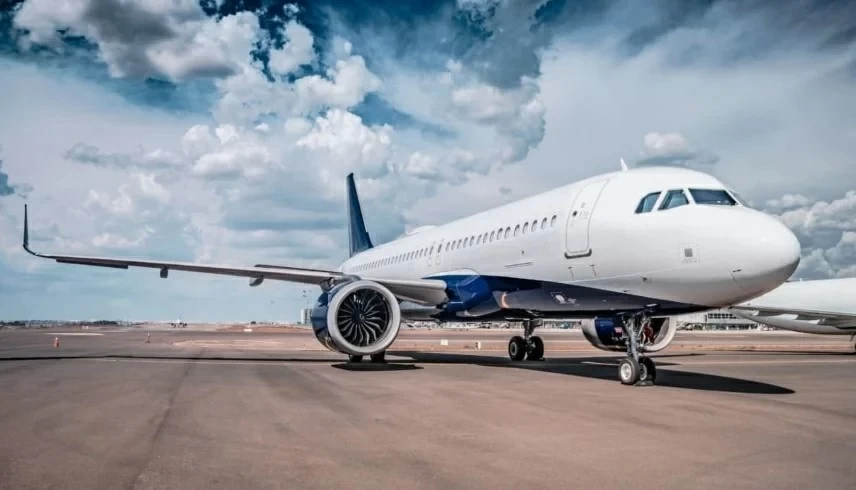
في عالم الطيران التجاري، لا تُقاس الأرباح بعدد الرحلات فقط، بل بعدد المقاعد الممتلئة أيضاً. فصناعة الطيران تُعد واحدة من أكثر الصناعات حساسية تجاه التكاليف، حيث يمكن لمقعد واحد شاغر أن يقلب حسابات الربح والخسارة بالكامل.
ورغم انتشار العروض المغرية التي تُباع أحياناً بأسعار لا تتجاوز 19 يورو، فإن الواقع المالي لشركات الطيران أكثر تعقيداً مما يبدو للمسافرين. فكل رحلة جوية تحمل خلفها منظومة ضخمة من التكاليف التي تلتهم معظم الإيرادات قبل أن تحقق الشركة أي هامش ربح فعلي.
تُعد تكلفة الوقود العامل الأكثر تأثيراً في ميزانية الرحلات الجوية. ففي الطائرات متوسطة المدى التي تضم نحو 189 مقعداً، تستهلك فاتورة الوقود ما يعادل إيرادات 54 مقعداً تقريباً.
ولا تقف الكلفة عند سعر الكيروسين فقط، بل تشمل أيضاً عقود التحوط ضد تقلبات الأسعار، إضافة إلى الوقود الإضافي الذي يُحرق أثناء التأخيرات الجوية أو تغيير مسارات الرحلات.
لهذا السبب يُعد الوقود المتغير الأكثر إرباكاً لمديري المالية في شركات الطيران، لأنه يصعب التنبؤ بتقلباته.
ووراء كل إقلاع يقف فريق ضخم من العاملين، حيث تستهلك رواتب الكوادر البشرية ما يعادل إيرادات 39 مقعداً.
وتشمل هذه التكاليف رواتب الطيارين والمضيفين، إضافة إلى بدلات السفر والإقامة والتدريب المستمر على أجهزة المحاكاة الطبية والفنية.
كما يدخل ضمن هذه المنظومة مهندسو الصيانة والفنيون، إلى جانب موظفي العمليات وإدارة الإيرادات وخبراء الأنظمة التقنية والقانونية الذين يديرون شبكة الرحلات من خلف الكواليس.
حتى عندما تبقى الطائرة متوقفة على أرض المطار، فإن العداد المالي لا يتوقف. فمعظم الطائرات التجارية يتم استئجارها بعقود طويلة الأجل أو تمويلها بقروض مصرفية، وهو ما يكلّف الشركات ما يعادل إيرادات 28 مقعداً من كل رحلة.
وتضاف إلى ذلك تكاليف التأمين ضد الحوادث والكوارث، إلى جانب الرسوم السيادية والضرائب التي تفرضها المطارات وهيئات الطيران، والتي تلتهم قيمة 23 مقعداً أخرى.
وتذهب قيمة 18 مقعداً إضافياً إلى عمليات الصيانة الثقيلة، وهي نفقات لا يمكن تأجيلها مهما كانت الظروف المالية. فالهيئات التنظيمية تفرض فحوصات دورية صارمة للطائرات، مثل عمليات الفحص المعروفة باسم C-Checks وD-Checks، والتي تشمل استبدال قطع الغيار وتحديث أنظمة الملاحة لضمان أعلى مستويات السلامة.
أما بقية التكاليف فتتوزع على مجموعة واسعة من الخدمات التي قد لا يلاحظها المسافر.
وتشمل هذه النفقات أنظمة الحجز العالمية وعمولات وكلاء السفر ورسوم البطاقات الائتمانية، إضافة إلى تكاليف خدمة العملاء والتعويضات التي تُدفع في حال تأخر الرحلات أو إلغائها.
كما تنفق الشركات مبالغ كبيرة على التسويق والتقنيات الرقمية وأنظمة الترفيه والاتصال بالإنترنت داخل الطائرة، فضلاً عن خدمات التموين والوجبات.
وعند جمع هذه التكاليف، يتضح أن معظم إيرادات التذاكر تذهب مباشرة لتغطية المصاريف التشغيلية، ما يترك هامش ربح ضئيلاً للغاية.
ولهذا تعتمد شركات الطيران بشكل متزايد على ما يُعرف بالإيرادات الإضافية، مثل شحن البضائع في بطن الطائرة، وبيع تذاكر درجة الأعمال، ورسوم الأمتعة الإضافية، إضافة إلى بيع الطعام والمشروبات والسلع المعفاة من الرسوم.
وفي النهاية، قد يبدو المقعد مجرد رقم في صفوف الطائرة، لكنه في الحقيقة عنصر حاسم في معادلة الربح. فمقعد واحد فارغ قد يعني خسارة، بينما امتلاؤه قد يحوّل رحلة كاملة إلى صفقة مربحة.
In the world of commercial aviation, profits are not only measured by the number of flights but also by the number of filled seats. The aviation industry is considered one of the most cost-sensitive industries, where a single empty seat can completely overturn the profit and loss calculations.
Despite the prevalence of enticing offers that are sometimes sold for prices as low as 19 euros, the financial reality for airlines is more complex than it appears to travelers. Every flight carries behind it a massive system of costs that consume most of the revenues before the company achieves any actual profit margin.
The cost of fuel is the most influential factor in the budget of flights. In medium-range aircraft that accommodate about 189 seats, the fuel bill consumes the equivalent of the revenues from approximately 54 seats.
And the cost does not stop at the price of kerosene alone; it also includes hedging contracts against price fluctuations, in addition to the extra fuel burned during flight delays or route changes.
For this reason, variable fuel costs are the most confusing for financial managers in airlines, as it is difficult to predict their fluctuations.
Behind every takeoff stands a huge team of workers, where the salaries of the workforce consume the equivalent of the revenues from 39 seats.
These costs include the salaries of pilots and flight attendants, in addition to travel and accommodation allowances and ongoing training on medical and technical simulators.
Also included in this system are maintenance engineers and technicians, along with operations staff, revenue management, and technical and legal system experts who manage the flight network from behind the scenes.
Even when the aircraft remains stationary on the airport ground, the financial meter does not stop. Most commercial aircraft are leased under long-term contracts or financed through bank loans, which costs companies the equivalent of the revenues from 28 seats on each flight.
Additionally, there are costs for insurance against accidents and disasters, along with sovereign fees and taxes imposed by airports and aviation authorities, which consume the value of another 23 seats.
The value of an additional 18 seats goes to heavy maintenance operations, which are expenses that cannot be postponed regardless of the financial circumstances. Regulatory bodies impose strict periodic inspections on aircraft, such as the inspections known as C-Checks and D-Checks, which include replacing spare parts and updating navigation systems to ensure the highest levels of safety.
The remaining costs are distributed across a wide range of services that travelers may not notice.
These expenses include global reservation systems, travel agent commissions, credit card fees, as well as customer service costs and compensations paid in case of flight delays or cancellations.
Companies also spend significant amounts on marketing, digital technologies, and in-flight entertainment and internet connectivity systems, in addition to catering services and meals.
When these costs are totaled, it becomes clear that most ticket revenues go directly to cover operational expenses, leaving a very slim profit margin.
For this reason, airlines are increasingly relying on what is known as ancillary revenues, such as cargo shipping in the belly of the aircraft, selling business class tickets, additional baggage fees, as well as selling food, beverages, and duty-free goods.
In the end, a seat may seem just a number in the rows of the aircraft, but in reality, it is a crucial element in the profit equation. One empty seat may mean a loss, while filling it may turn an entire flight into a profitable deal.