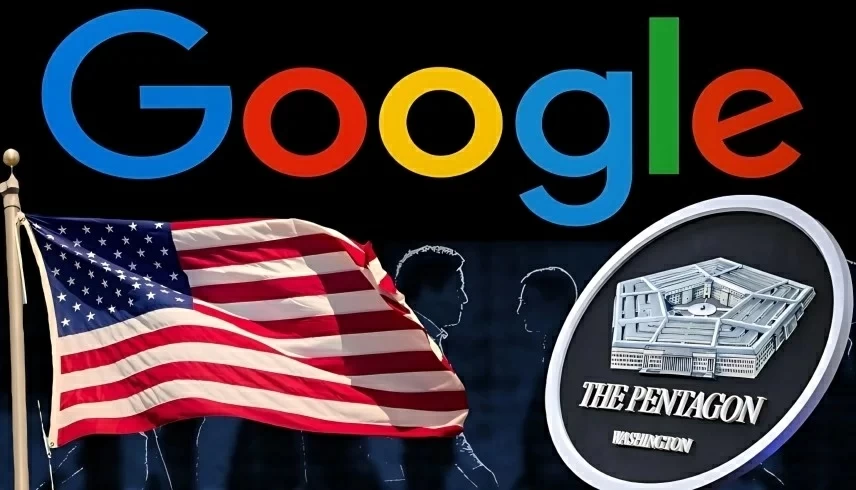
في خطوة تعكس تسارع سباق الذكاء الاصطناعي داخل المؤسسات العسكرية الأمريكية، بدأت شركة Google توسيع حضورها التقني داخل وزارة الدفاع الأمريكية عبر إطلاق أدوات ذكاء اصطناعي توليدي موجهة لملايين الموظفين العسكريين والمدنيين.
يأتي التحرك الجديد في توقيت حساس، بعد اشتعال مواجهة قانونية بين شركة Anthropic وإدارة الرئيس الأمريكي دونالد ترمب، عقب إدراج الشركة ضمن قائمة مخاطر سلاسل التوريد، وهي خطوة نادرة استُخدمت سابقا ضد شركات أجنبية مثل Huawei وKaspersky.
وأعلنت قوقل إطلاق ميزة جديدة تسمح لأكثر من 3 ملايين موظف في وزارة الدفاع ببناء «وكلاء ذكاء اصطناعي» مخصصين للمهام غير السرية عبر بوابة البنتاغون الرقمية GenAI.mil.
تعتمد المنصة على أداة تطوير تحمل اسم Agent Designer، وهي أداة تسمح بإنشاء مساعدين رقميين دون الحاجة إلى خبرة برمجية متقدمة، ما يفتح الباب أمام الموظفين لتصميم تطبيقات ذكية تساعدهم في أداء أعمالهم اليومية.
وتتنوع مهام هؤلاء الوكلاء بين إعداد محاضر الاجتماعات، وتنظيم خطط العمل، وتحويل المشاريع الكبرى إلى مهام تنفيذية واضحة يمكن إدارتها بسهولة داخل الإدارات المختلفة.
رغم أن النظام يعمل حاليا داخل الشبكات غير السرية لوزارة الدفاع، تشير تقارير تقنية إلى أن مفاوضات تجري بالفعل لنقل هذه الأدوات إلى البيئات السرية وشديدة الحساسية داخل البنتاغون.
وفي هذا السياق أكد رئيس التكنولوجيا في وزارة الدفاع إميل مايكل أن غوغل أثبتت قدرتها على العمل كشريك استراتيجي عبر مختلف الشبكات العسكرية، مشيرا إلى أن الوزارة تركز حاليا على تسريع تبني تقنيات الذكاء الاصطناعي في عملياتها اليومية.
التوتر مع شركة أنثروبيك بدأ بعد رفضها السماح باستخدام تقنياتها في تطبيقات عسكرية حساسة مثل الأسلحة ذاتية التشغيل أو أنظمة المراقبة المحلية، بما في ذلك برنامج الدردشة الذكي Claude.
هذا الرفض دفع وزارة الدفاع إلى إنهاء تعاونها مع الشركة، وهو ما فتح المجال أمام شركات أخرى للدخول بقوة إلى الشبكات المقيدة، من بينها OpenAI وxAI التابعة لرجل الأعمال Elon Musk.
لكن التوسع العسكري في استخدام الذكاء الاصطناعي أثار انقساما داخل شركات التكنولوجيا نفسها. فقد وقع رئيس قسم الذكاء الاصطناعي في قوقل جيف دين مع عشرات الموظفين مذكرة قانونية تدعم أنثروبيك في معركتها القضائية ضد البنتاغون.
وتتركز المخاوف داخل الشركة حول احتمال استخدام تقنياتهم في أنظمة المراقبة أو الأسلحة المستقلة، وهي قضية أعادت إلى الأذهان أزمة مشروع Maven عام 2018، عندما واجهت غوغل موجة استقالات بعد استخدام تقنياتها لتحليل صور الطائرات المسيرة لصالح الجيش الأمريكي.
وبين سباق الشركات على العقود العسكرية والقلق الأخلاقي داخل وادي السيليكون، يبدو أن الذكاء الاصطناعي بات ساحة مواجهة جديدة بين السياسة والتكنولوجيا والأمن القومي.
In a move that reflects the accelerating race for artificial intelligence within U.S. military institutions, Google has begun to expand its technical presence within the U.S. Department of Defense by launching generative AI tools aimed at millions of military and civilian employees.
The new initiative comes at a sensitive time, following a legal confrontation between Anthropic and the administration of President Donald Trump, after the company was included on a supply chain risk list, a rare step previously used against foreign companies like Huawei and Kaspersky.
Google announced the launch of a new feature that allows over 3 million employees at the Department of Defense to build "AI agents" tailored for non-sensitive tasks through the Pentagon's digital portal GenAI.mil.
The platform relies on a development tool called Agent Designer, which allows the creation of digital assistants without the need for advanced programming skills, opening the door for employees to design smart applications that assist them in their daily tasks.
The tasks of these agents vary from preparing meeting minutes, organizing work plans, to transforming major projects into clear executable tasks that can be easily managed within different departments.
Although the system currently operates within the non-sensitive networks of the Department of Defense, technical reports indicate that negotiations are already underway to transfer these tools to the secret and highly sensitive environments within the Pentagon.
In this context, the Chief Technology Officer at the Department of Defense, Emile Michael, confirmed that Google has proven its ability to work as a strategic partner across various military networks, noting that the department is currently focused on accelerating the adoption of AI technologies in its daily operations.
The tension with Anthropic began after it refused to allow the use of its technologies in sensitive military applications such as autonomous weapons or local surveillance systems, including the smart chat program Claude.
This refusal led the Department of Defense to terminate its collaboration with the company, opening the door for other companies to strongly enter restricted networks, including OpenAI and xAI, owned by entrepreneur Elon Musk.
However, the military expansion in the use of artificial intelligence has sparked division within the tech companies themselves. The head of the AI department at Google, Jeff Dean, along with dozens of employees, signed a legal memorandum supporting Anthropic in its legal battle against the Pentagon.
Concerns within the company focus on the potential use of their technologies in surveillance systems or autonomous weapons, a matter that recalls the crisis of the Maven project in 2018, when Google faced a wave of resignations after its technologies were used to analyze images from drones for the benefit of the U.S. military.
Amid the competition among companies for military contracts and the ethical concerns within Silicon Valley, it seems that artificial intelligence has become a new battleground between politics, technology, and national security.