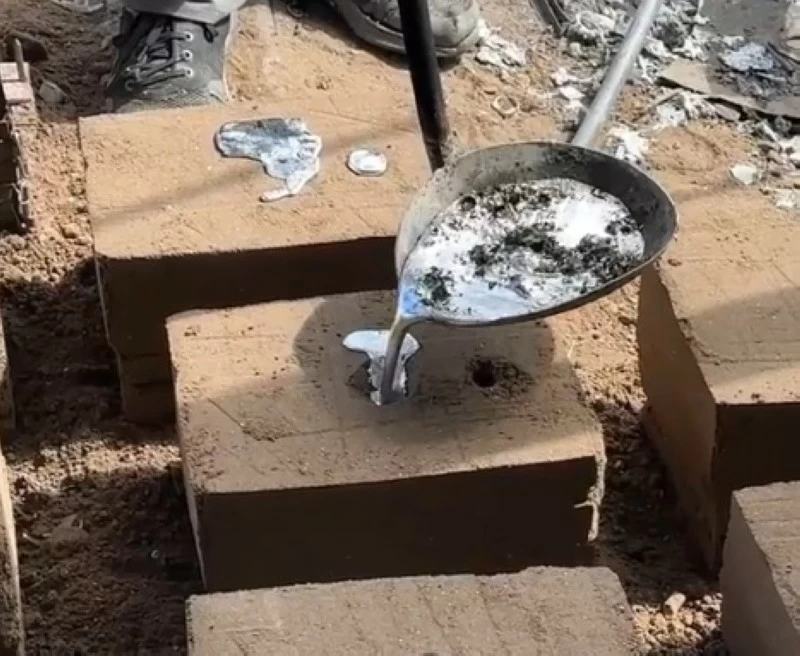
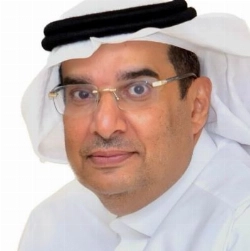
رغم القصف والحصار، أعاد الشاب باسل البطش تشغيل مخرطته في مدينة غزة مستخدماً أدوات بدائية وخردة الألمنيوم، لتعويض نقص قطع غيار السيارات والمولدات التي يمنع الاحتلال إدخالها.
من ورشة كبيرة ومجهزة شرق المدينة قبل الحرب انتقل البطش إلى فناء صغير بمنزله، حيث يصهر الألمنيوم الناتج عن دمار المنازل ويصبّه في قوالب رملية، لإنتاج القطع المطلوبة بدقة.
ويستقبل من الزبائن القطعة التالفة التي يريدون استبدالها، ويصنع لها نسخة طبق الأصل، شاملة «كارتيرات» سيارات الشحن، ومولدات الكهرباء، وقطع الدراجات النارية، إضافة إلى فلنجات مضخات المياه للسيارات.
ويشير البطش إلى أن التحديات اليومية صعبة، من ارتفاع أسعار الزيت المستخدم في الصهر، وضيق المكان، إلى انعدام وسائل الأمان، لكنه يصر على مواصلة عمله لدعم السكان في ظل منع الاحتلال إدخال القطع الأساسية منذ بداية حرب الإبادة قبل أكثر من عامين.
Despite the shelling and siege, the young man Basel Al-Batsh has restarted his workshop in Gaza City using primitive tools and aluminum scrap, to compensate for the shortage of spare parts for cars and generators that the occupation prevents from entering.
From a large, well-equipped workshop east of the city before the war, Al-Batsh moved to a small yard at his home, where he melts aluminum resulting from the destruction of homes and pours it into sand molds to produce the required parts with precision.
He receives from customers the damaged part they want to replace and creates an exact replica for them, including "cartridges" for trucks, generators, motorcycle parts, in addition to flanges for water pumps for cars.
Al-Batsh points out that the daily challenges are tough, from the rising prices of the oil used in melting, the cramped space, to the lack of safety measures, but he insists on continuing his work to support the residents in light of the occupation's ban on the entry of essential parts since the beginning of the genocide war over two years ago.