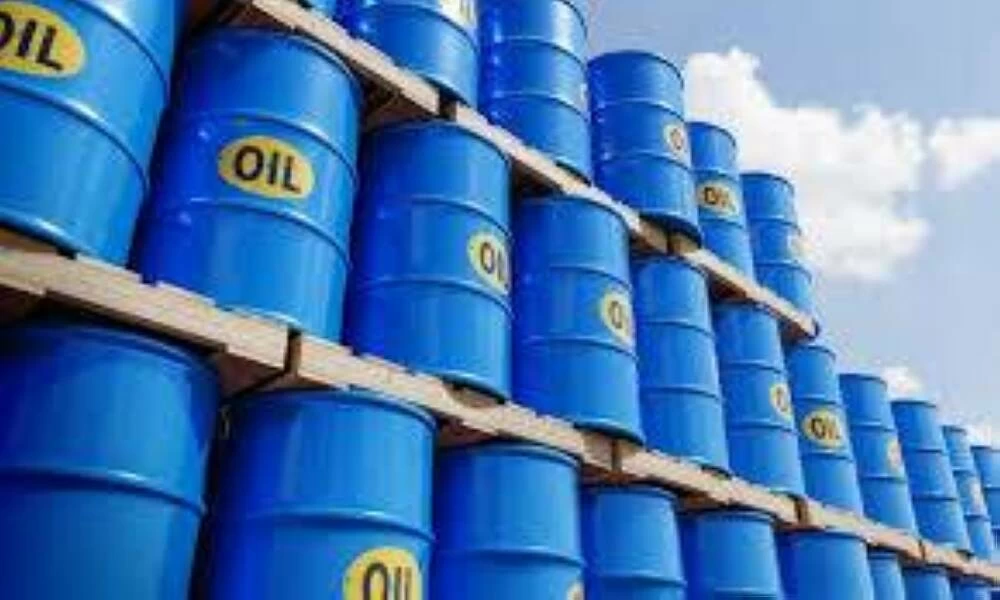
أكد متحدث باسم «المفوضية الأوروبية» اليوم، أن جميع الدول الأعضاء في الاتحاد الأوروبي تمتلك مخزونات إستراتيجية من النفط الخام أو ما يعادله من المنتجات البترولية، تكفي لتغطية احتياجات الاستهلاك المحلي لمدة تراوح بين 85 و90 يوماً.
وفي سياق متصل، ذكرت صحيفة «فاينانشال» تايمز أن وزراء مالية دول مجموعة السبع سيناقشون اليوم، الإفراج المشترك عن نفط من الاحتياطيات الطارئة بتنسيق مع الوكالة الدولية للطاقة.
وأضافت الصحيفة أن 3 دول بالمجموعة، منها الولايات المتحدة، أبدت حتى الآن تأييدها لهذه الفكرة.
وتهدف مثل هذه الخطوة عادة إلى تهدئة الأسواق والحد من تقلبات الأسعار، من خلال ضخ كميات من النفط من الاحتياطيات الإستراتيجية للدول الأعضاء بصورة منسقة، بما يعزز الإمدادات.
قفزة تاريخية
وارتفع سعر برميل النفط بنسبة 30% (الإثنين) متجاوزاً 115 دولاراً، وهي قفزة تاريخية ناجمة عن الحرب الأمريكية الإسرائيلية على إيران المتواصلة في الشرق الأوسط والحصار المستمر لمضيق هرمز.
وقرابة الساعة 2:30 بتوقيت غرينتش، ارتفع سعر خام غرب تكساس الوسيط 30.04% ليصل إلى 118.21 دولار للبرميل. كما ارتفع سعر خام برنت بحر الشمال 27.54% ليصل إلى 118.22 دولار للبرميل.
وفيما يقلق الارتفاع غير المسبوق في الأسعار قادة العالم ويؤثر على المستهلكين الأمريكيين، رد الرئيس دونالد ترمب بسرعة على شبكته الاجتماعية «تروث سوشال» قائلاً: «أسعار النفط على المدى القصير، التي ستنخفض بسرعة بمجرد القضاء على التهديد النووي الإيراني، هي ثمن بسيط جداً يجب دفعه مقابل أمن وسلامة الولايات المتحدة والعالم».
A spokesperson for the "European Commission" confirmed today that all member states of the European Union have strategic stocks of crude oil or equivalent petroleum products, sufficient to cover local consumption needs for a period ranging between 85 and 90 days.
In a related context, the "Financial Times" reported that the finance ministers of the G7 countries will discuss today the joint release of oil from emergency reserves in coordination with the International Energy Agency.
The newspaper added that 3 countries in the group, including the United States, have so far expressed their support for this idea.
Such a move typically aims to calm the markets and reduce price volatility by pumping quantities of oil from the strategic reserves of member states in a coordinated manner, thereby enhancing supplies.
Historic Surge
The price of a barrel of oil rose by 30% (on Monday), surpassing $115, marking a historic surge due to the ongoing U.S.-Israeli war on Iran in the Middle East and the continuous blockade of the Strait of Hormuz.
Around 2:30 PM GMT, the price of West Texas Intermediate crude rose by 30.04% to reach $118.21 per barrel. The price of North Sea Brent crude also increased by 27.54% to reach $118.22 per barrel.
While the unprecedented rise in prices is alarming world leaders and affecting American consumers, President Donald Trump quickly responded on his social network "Truth Social," stating: "Short-term oil prices, which will drop rapidly once the Iranian nuclear threat is eliminated, are a very small price to pay for the security and safety of the United States and the world."