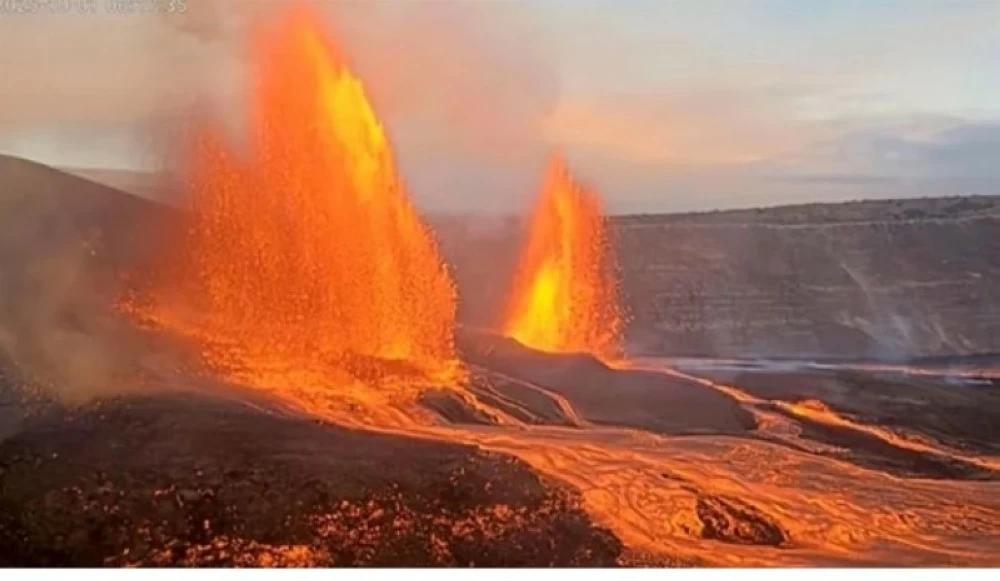
عاد شبح واحدة من أكثر الكوارث دموية في تاريخ المكسيك إلى الواجهة، بعدما رصد علماء مؤشرات نشاط غير معتادة داخل بركان إل تشيتشون المعروف بسجله الدموي، بعد أربعة عقود من السكون الكامل.
البركان الذي فجّر في 1982 مأساة أودت بحياة ما لا يقل عن 2000 شخص ودمّرت قرى بأكملها، أظهر خلال الأشهر الأخيرة علامات مقلقة دفعت العلماء إلى دق ناقوس الحذر، وسط مخاوف من تحركات غير متوقعة في نظامه الداخلي.
وسجلت فرق بحثية من الجامعة الوطنية المستقلة في المكسيك ارتفاعاً ملحوظاً في درجات الحرارة داخل فوهة البركان، إلى جانب تصاعد غازات خطرة مثل كبريتيد الهيدروجين وثاني أكسيد الكربون، وهي انبعاثات قد تشكل تهديداً مباشراً للحياة في حال تراكمها.
كما لاحظ الباحثون تغيراً لافتاً في لون بحيرة الفوهة، التي تحولت من الأخضر إلى الرمادي، في مؤشر على اضطرابات كيميائية عميقة داخل البركان، رافقتها تشكّلات كبريتية نادرة لم تُسجَّل سابقاً.
ويعيد هذا النشاط إلى الأذهان سيناريو كارثة 1982، حين أطلق البركان سحب رماد خانقة وتدفقات بركانية مدمرة، طمرت قرى، وشرّدت آلاف السكان، وخلّفت خسائر بيئية واقتصادية امتدت لسنوات طويلة، خصوصاً في قطاعي الزراعة والثروة الحيوانية.
ورغم القلق المتصاعد، يؤكد خبراء البراكين أن المؤشرات الحالية لا تعني بالضرورة ثوراناً وشيكاً. وتشير التحليلات الأولية إلى أن ما يجري قد يكون نتيجة تفاعلات حرارية مائية، ناتجة عن تسخين المياه الجوفية داخل الصخور العميقة، وليس صعود صهارة منصهرة إلى السطح.
لكن العلماء يشددون في الوقت ذاته على أن البراكين لا تعطي إنذارات واضحة دائماً، وأن أي تغيرات حرارية أو غازية (حتى وإن بدت محدودة) تستدعي مراقبة دقيقة ومستمرة.
وتخضع المنطقة حالياً لرقابة مكثفة باستخدام طائرات مسيّرة، وأقمار صناعية، وأجهزة قياس زلزالي، لرصد أي تطورات مفاجئة قد تشكل خطراً على السكان القاطنين قرب البركان.
ويحذر خبراء من أن البراكين التي شهدت انفجارات كبرى قد تبقى نشطة لعقود، بل لقرون، بعد آخر ثوران، ما يجعل التعامل مع أي مؤشرات جديدة مسألة أمن وسلامة عامة.
The ghost of one of the deadliest disasters in Mexico's history has resurfaced, as scientists have detected unusual signs of activity inside the El Chichón volcano, known for its bloody record, after four decades of complete silence.
The volcano, which erupted in 1982 causing a tragedy that claimed the lives of at least 2,000 people and destroyed entire villages, has shown concerning signs in recent months that have prompted scientists to sound the alarm, amid fears of unexpected movements within its internal system.
Research teams from the National Autonomous University of Mexico have recorded a significant increase in temperatures inside the volcano's crater, along with the emission of hazardous gases such as hydrogen sulfide and carbon dioxide, which could pose a direct threat to life if they accumulate.
Researchers have also noted a striking change in the color of the crater lake, which has shifted from green to gray, indicating deep chemical disturbances within the volcano, accompanied by rare sulfur formations that have not been previously recorded.
This activity brings to mind the scenario of the 1982 disaster, when the volcano released choking ash clouds and destructive lava flows that buried villages, displaced thousands of residents, and caused environmental and economic losses that lasted for many years, particularly in the agriculture and livestock sectors.
Despite the rising concerns, volcano experts assert that the current indicators do not necessarily mean an imminent eruption. Preliminary analyses suggest that what is happening may be the result of hydrothermal interactions caused by the heating of groundwater within deep rocks, rather than the ascent of molten magma to the surface.
However, scientists emphasize that volcanoes do not always provide clear warnings, and any thermal or gas changes (even if they seem limited) require careful and continuous monitoring.
The area is currently under intensive surveillance using drones, satellites, and seismic measuring devices to monitor any sudden developments that could pose a danger to residents living near the volcano.
Experts warn that volcanoes that have experienced major eruptions can remain active for decades, even centuries, after their last eruption, making the handling of any new indicators a matter of public safety and security.